
 BY
BY Libertarian
Table of Contents
Libertarian is the term for anyone who holds individual liberty as the highest political value and wants to limit state power accordingly. The label covers a wide range from constitutional minimalists to full anarcho-capitalists, but the core is the same: your life belongs to you.
Libertarianism is the political tradition that treats individual liberty as the first principle of social order and limits state power accordingly. From the Founders’ insistence on enumerated powers forward through Rothbard’s full anarcho-capitalist case, the through line is consistent: your life belongs to you, your property belongs to you, and no government derives legitimate authority from anything else.
The Beltway version of libertarianism has largely forgotten this. It made its peace with the regulatory state, the military-industrial apparatus, and the corporate-government complex, and now it functions mostly as a think-tank permission structure for interventions it used to oppose. That is not a libertarian tradition. That is a brand.
The older and harder version is less comfortable. It means owning your own labor, your own land, and your own convictions. It is a way of living before it is a policy mix, and it was never designed to be popular with the people running the institutions it opposes.
The One Idea at the Center
A man builds a business. The county shuts it down without compensation. A woman homeschools her children. The state threatens to take them. These are not edge cases. They are what happens when government stops protecting rights and starts overriding them.
The libertarian says: stop. Your life, your labor, your property belong to you. No politician in Washington canceled that title. No bureaucrat stamped it void.
Murray Rothbard called this self-ownership. Vin Armani, in Self Ownership, built the same case from scratch - starting with biology and ending with property rights. His argument: the Self is the one thing no other person can share, experience, or take over. That makes it the atomic unit of ownership. Everything else follows from there.
David Boaz of the Cato Institute put it plainly: America was shaped by libertarian values before it was shaped by any political party. The Constitution, the Bill of Rights, the whole architecture of limited government - that is the libertarian tradition wearing a Founder’s coat.
What Libertarians Actually Believe
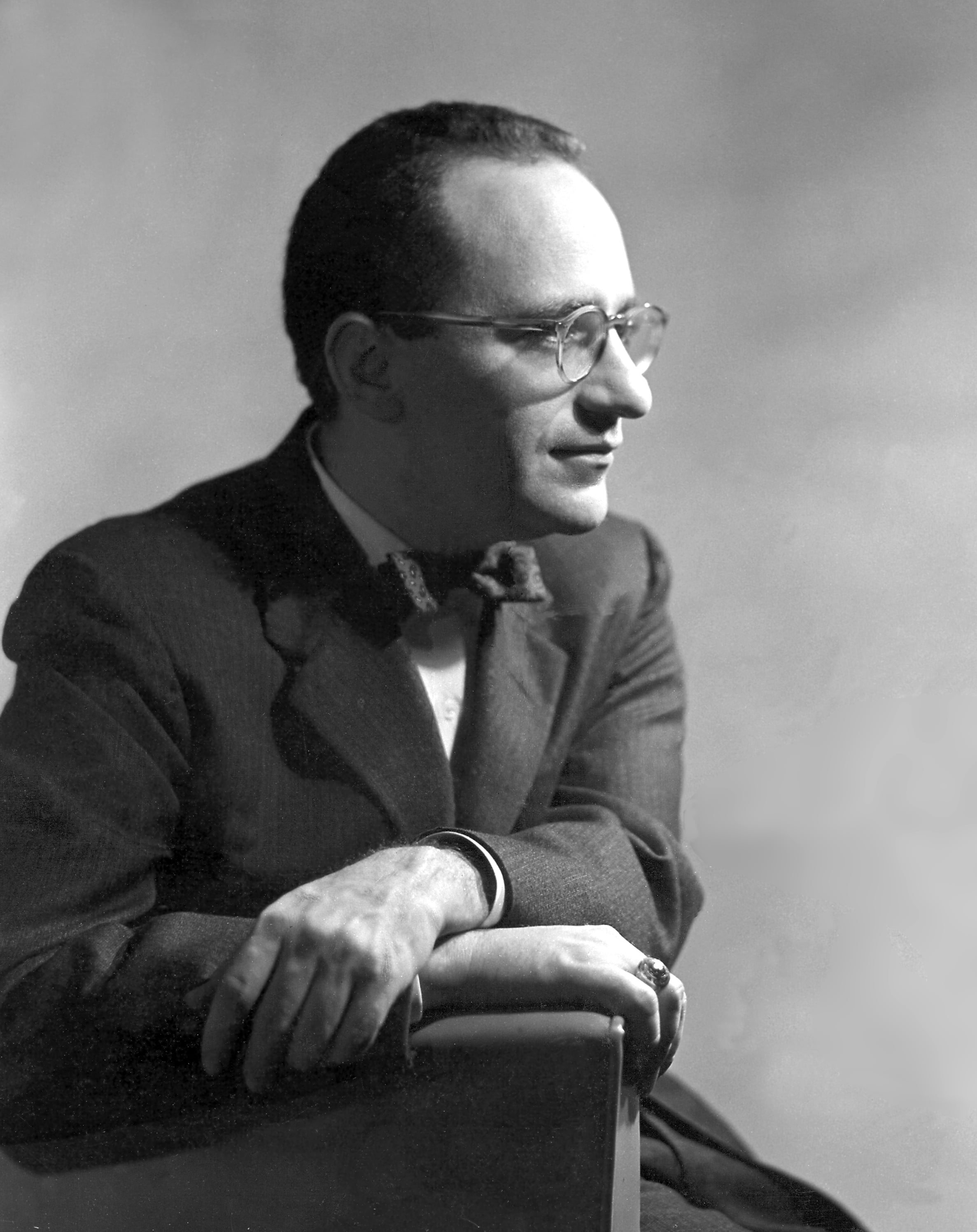
Libertarians disagree on plenty. But three commitments run through almost all of them.
- The Non-Aggression Principle. You may do as you like with your own life, your own body, your own property. The one line you cannot cross: initiating force against someone else. Defense is permitted. Aggression is not. This is the load-bearing beam of the whole philosophy.
- Free Markets Over Central Planning. The mechanic who opens a shop, the farmer who sets his own price, the small manufacturer who hires and fires by his own judgment - these men are not asking permission. Libertarians want an economy that runs on voluntary exchange, not on licenses and mandates from people who have never met a payroll. For the economic case, read Ludwig von Mises. Mises.org has the full library.
- Skepticism of State Power at Every Level. The libertarian does not merely distrust the federal government. He distrusts the county commission, the zoning board, and the school superintendent. Power tends to expand. The man who holds it tends to use it. A minarchist wants government trimmed to courts and defense. An anarcho-capitalist wants it gone entirely. Both agree the current size is indefensible.
Where Libertarians Part Ways With Conservatives

A working conservative and a libertarian agree on a lot. Low taxes. Gun rights. Local control. Suspicion of the managerial state.
But they diverge on war and on social questions. The libertarian opposes foreign intervention as a matter of principle. Smedley Butler spelled out why in War Is a Racket: war serves contractors and bureaucrats, not the men doing the fighting or the families left at home. Mises added the economic case in Nation, State, and Economy: war destroys capital that took generations to build.
On criminal justice, libertarians make conservatives uncomfortable. The war on drugs, qualified immunity for police, asset forfeiture without conviction - these are state power wearing a law-and-order badge. Milton Friedman, no radical, supported ending marijuana prohibition. The paleolibertarian wing of the movement shares more with traditional conservatism on culture, but holds the same hard line on government overreach.
The honest summary: the conservative worries about the wrong people gaining power. The libertarian worries about power itself.
What Liberty Actually Frees You To Build
A man with a paid-off house and a thriving small business can do things a man drowning in taxes and regulation cannot. He can hire the kid down the street whose father died. He can carry his sister through a rough year. He can teach his trade to a nephew who needs direction. That is not abstract. That is what freedom is for.
Liberty is not license. The libertarian case was never “do whatever you want.” It was something harder and more demanding than that. When the state stops confiscating half your earnings and eating your hours with compliance paperwork, you get those resources back. And then you owe something with them. To your family. To your parish. To your neighbors. To the men and women you can actually see and name.
The managerial state does not just take your money. It takes your responsibility. It replaces the neighbor who checks on the old widow with a social services caseworker. It replaces the parish benevolence fund with a federal grant program. It replaces the foreman who keeps a struggling worker on payroll with an unemployment form. Every abstraction crowds out something real.
Russell Kirk called these the permanent things - the loyalties and duties that hold a community together below the level of politics. They do not need a government program. They need men with enough margin in their lives to act on them. Liberty creates that margin. The state, in its endless expansion, destroys it.
De la Boetie understood this five centuries ago. Tyrants do not merely take your money. They take the habits of self-reliance and mutual care that make tyranny unnecessary. Get those habits back and the whole apparatus shrinks by default. The neighborhood that knows whose porch light is out does not need a wellness check hotline.
Negative Rights, Not Positive Ones
Your neighbor pays off his house. The county tells him he cannot add a bedroom without a permit, a fee, and a six-month wait. That is positive law canceling a negative right.
Libertarians live in the world of negative rights. You have the right to be left alone. To speak. To worship. To carry a firearm. To keep what you earn. These are not benefits the government provides. They are claims the government must not violate.
Negative rights cost the state nothing. Positive rights cost someone else everything. When a politician declares healthcare or housing a right, he is declaring a claim on the doctor’s labor and the builder’s material. Libertarians reject that framing completely.
Isaiah Berlin mapped this territory in “Two Concepts of Liberty.” The libertarian lives in Berlin’s negative-liberty column. The statist lives in the positive one.
Why the Idea Gets Marginalized
Libertarianism has one structural enemy. Not the left. Not the right. Power itself.
Rothbard made this point directly in For a New Liberty: The Libertarian Manifesto. Every institution that holds power over others - party bosses, regulatory agencies, defense contractors, teachers’ unions - has a concrete interest in keeping things as they are. The libertarian wants to take power away from government and hand it to no one. That makes him everyone’s enemy who benefits from the current arrangement.
Etienne de la Boetie saw the same thing in the sixteenth century. In The Politics of Obedience he asked why millions obey a handful of rulers. His answer: habit and propaganda. The rulers do not stay in power by force alone. They stay by convincing the ruled that submission is natural. The libertarian breaks that spell.
Russell Kirk and the traditionalist conservatives never fully trusted libertarianism - they thought it stripped away the moral and cultural roots that make freedom livable. That tension is real. Classical liberalism shares the libertarian’s love of markets and civil liberties but holds a higher regard for inherited institutions. The debate between them is worth your time. For the deeper argument, start with Rothbard’s For a New Liberty and then read Kirk’s The Conservative Mind.
« Back to Glossary Index