
 BY
BY Classical Liberalism
Table of Contents
Classical liberalism is the political philosophy of individual liberty, private property, rule of law, and limited government that shaped the West from roughly the late 1600s through the early 1900s. The word ‘classical’ was added later to distinguish this older tradition from the activist-state liberalism that replaced it in the twentieth century.
What the Word Used to Mean
A man in 1880 who called himself a liberal meant something specific. He wanted free trade. He wanted government out of his business. He believed the state existed to protect his rights, not to manage his life. That man would not recognize what the word liberal means today.
Historian Ralph Raico put it plainly in American Conservatism: An Encyclopedia: up until around 1900, this philosophy was simply called liberalism. No qualifier needed. The qualifier became necessary once liberalism started meaning wide-ranging interference with private property on behalf of egalitarian goals.
That shift is why we now say classical liberalism. The word preserved the older idea after the newer crowd captured the label.
Where the Tradition Came From
The Latin root is liber – free. The political tradition built on that root is older than the United States.
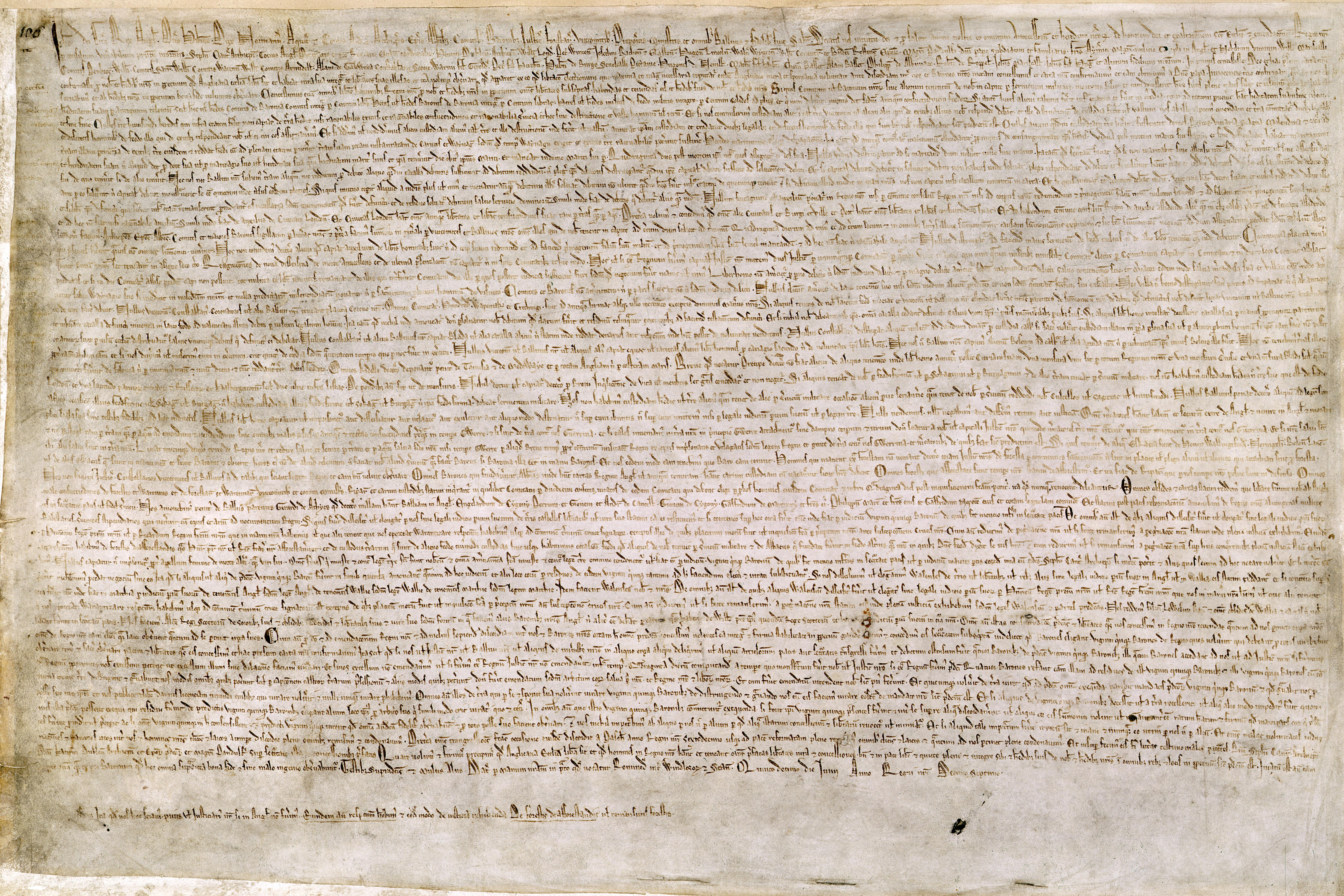
The Magna Carta in 1215 was the first major crack in English royal power. King John signed it under pressure from his barons. It established that the Crown was subject to law. Habeas corpus, due process, limits on arbitrary arrest – all of it traces back to that document.
The Dutch Republic added another proof of concept. The northern provinces of the Low Countries broke free from Spanish Habsburg rule during the Eighty Years’ War, ending in 1648. They built a republic with religious toleration, property rights, free speech, and a restrained central government. For a century, the Dutch Republic was the most economically dynamic country in Europe. Other nations noticed.
The English Civil War of the 1640s produced something remarkable: the Levellers. They were the first recognizable liberal party in European history. They opposed state monopolies, demanded separation of church and state, pushed for popular representation, and wanted to limit parliament’s own power. They lost. But their ideas did not.
The Thinkers Who Built the Framework
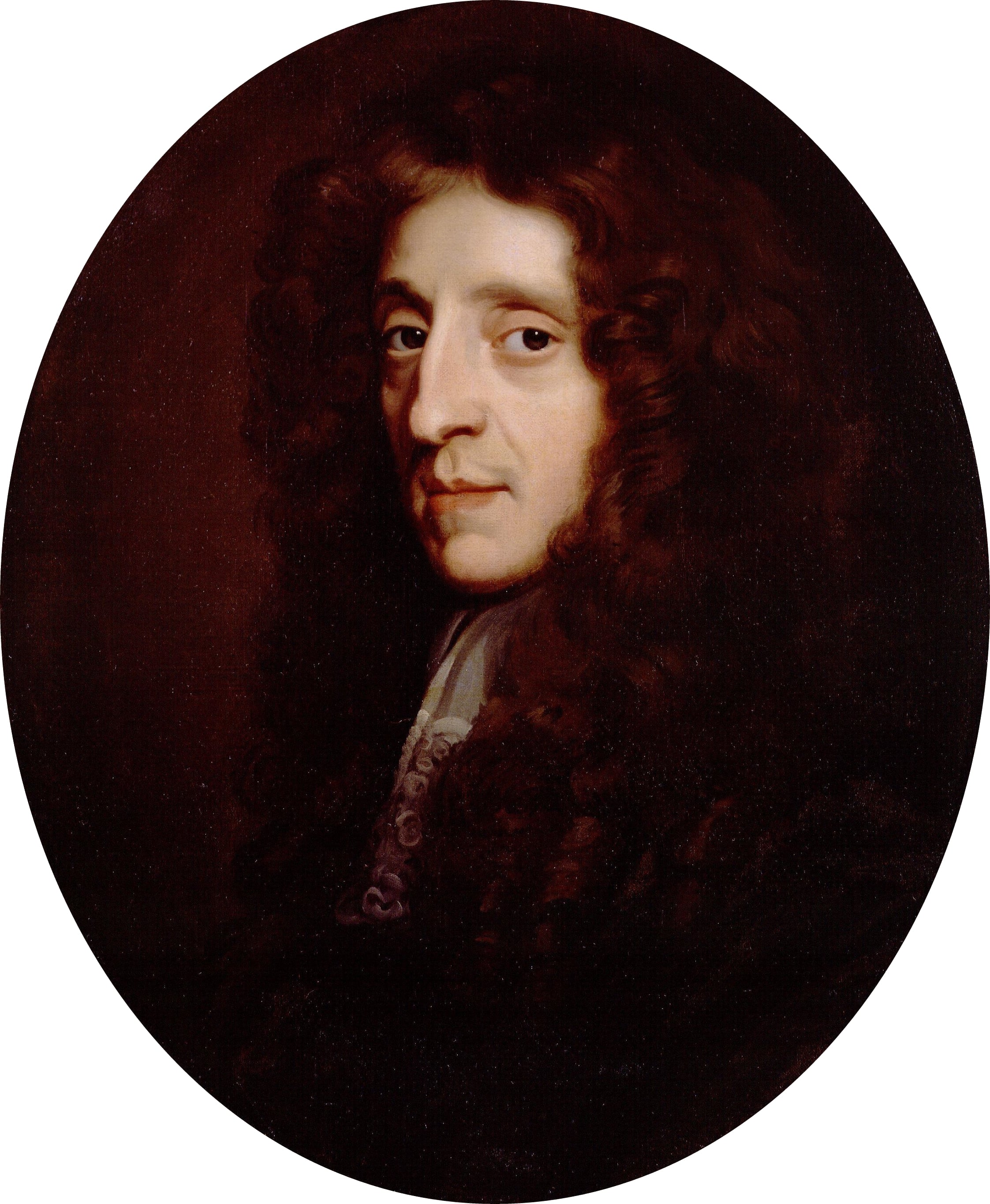
John Locke did more to define classical liberalism than anyone else. His Two Treatises of Government, published in 1689, made a simple but radical claim: sovereignty belongs to the people, not the Crown. Government exists to protect natural rights – life, liberty, and property. When it fails that job, the people may replace it.
Locke’s contemporary Thomas Hobbes reached the opposite conclusion. In Leviathan, Hobbes argued that without a powerful state, human life would be “nasty, brutish, and short.” He wanted a near-absolute sovereign to hold chaos at bay. Locke disagreed. He trusted people more than Hobbes did, and that optimism about human nature became the foundation stone of the liberal tradition.
Adam Smith completed the picture on the economic side. His Wealth of Nations, published in 1776, argued that free exchange between consenting parties produces prosperity better than any central planner can. Markets coordinate information that no single authority possesses. That insight anchored the laissez-faire economics that classical liberalism carried forward. For the deeper read on Smith’s economics, Mises.org carries the full text.
These three men – Locke, the skeptic of Hobbes, and Smith – gave classical liberalism its spine. Individual rights. Limited government. Free markets. The rule of law, not the rule of men.
America as the Laboratory
The American founders read Locke. They read him carefully. The Declaration of Independence is Locke’s theory in plain English – life, liberty, and the pursuit of happiness. The Constitution’s Bill of Rights is the Leveller program put into practice a century later.
The founders were not utopians. They built in checks and balances because they distrusted concentrated power. They separated church and state. They protected speech, arms, and property. They put walls around the federal government and left most authority to the states and to the people.
That architecture was classical liberalism in brick and mortar. The negative rights the founders protected – the government shall not interfere – are the practical expression of the whole tradition. The contrast between those negative rights and the positive rights claimed today tells you most of what you need to know about how far we have drifted. See also the full contrast between them.
Classical Liberalism at Its Peak and Its Decline
The 1800s were classical liberalism’s high-water mark in the English-speaking world. Tariffs fell. Trade expanded. Serfdom ended. Slavery ended. Press freedom grew. The rule of law reached more people than it ever had before.
But cracks appeared early. The Social Gospel movement in the late 1800s recast poverty as a political problem requiring a government solution. Progressives in America and Fabian socialists in Britain began arguing that free markets produced injustice and that only an activist state could fix it. By the 1930s, the New Deal had rewritten the American social contract.
The word liberal went with the new program. The old liberals – the free-traders, the property-rights men, the skeptics of state power – got the qualifier. Classical. As if they were relics.
Russell Kirk and the conservative tradition held onto much of what classical liberalism built, especially property rights and ordered liberty. The paleolibertarian tradition preserved the anti-state economics. The minarchist strand kept arguing for the smallest possible government consistent with protecting rights. None of them got the word back.
What Liberty Frees You To Build
A man with a paid-off house and a small business can do things a man buried in taxes and compliance paperwork cannot. He can hire the kid down the street whose father just died. He can carry a struggling apprentice through a slow winter. He can keep a cousin on the payroll when the cousin needs it most. That is not charity in the abstract. That is a man using his liberty to do something real.
This is the part the critics of classical liberalism always miss. Freedom is not an empty field. It is the cleared space where actual obligations get met – the ones you owe to people you can name. The sister with three kids. The neighbor whose roof is failing. The old widower the parish keeps an eye on. The state does not cancel those obligations. It just takes your money and your hours first, and leaves you less capacity to meet them yourself.
Étienne de la Boétie understood this four centuries ago. In The Politics of Obedience, he asked a simple question: why do men obey? His answer was that they consent to their own servitude – and that the moment they stop consenting, the whole apparatus collapses. But there is a corollary he did not need to spell out. Every hour spent in voluntary consent to a system that demands your earnings and your time is an hour not spent on the neighbor, the nephew, the parish drive, the mutual-aid network that kept your grandfather’s town alive.
Liberty is not libertinism. The classical liberal tradition never argued for a man without obligations. It argued for a man who meets his obligations directly, concretely, and in full view of the people he is responsible to. That is a harder standard than mailing a check to a government program. It asks more of you. That is the point.
Russell Kirk called the permanent things the real substance of civilization – family, faith, local community, the customs that hold a neighborhood together across generations. Classical liberalism at its best clears the way for those things to breathe. Not by promising anything. By getting out of the way.
What It Means Now and Why It Still Matters
Classical liberalism is not a perfect tradition. It carried contradictions – it coexisted with slavery longer than it should have, and its optimism about markets sometimes ignored how easily monopolies capture the state. Critics on the right note that it can dissolve the communities and institutions – church, family, local association – that give men something worth protecting.
But the core package remains important. Private property. Free exchange. Rule of law that applies to the powerful and the weak alike. A government that cannot jail you without cause, take your land without compensation, or silence you for disagreeing.
Those ideas did not emerge naturally. Men fought for them for centuries. The Levellers lost their fight. Locke went into exile. The founders pledged their lives and fortunes.
Understanding classical liberalism means understanding what was won and what can be lost. For more on how the managerial state dismantles that inheritance piece by piece, the statist entry is the right next stop. For the deeper historical argument, read Sam Francis’s Beautiful Losers.
« Back to Glossary Index