
 BY
BY Table of Contents
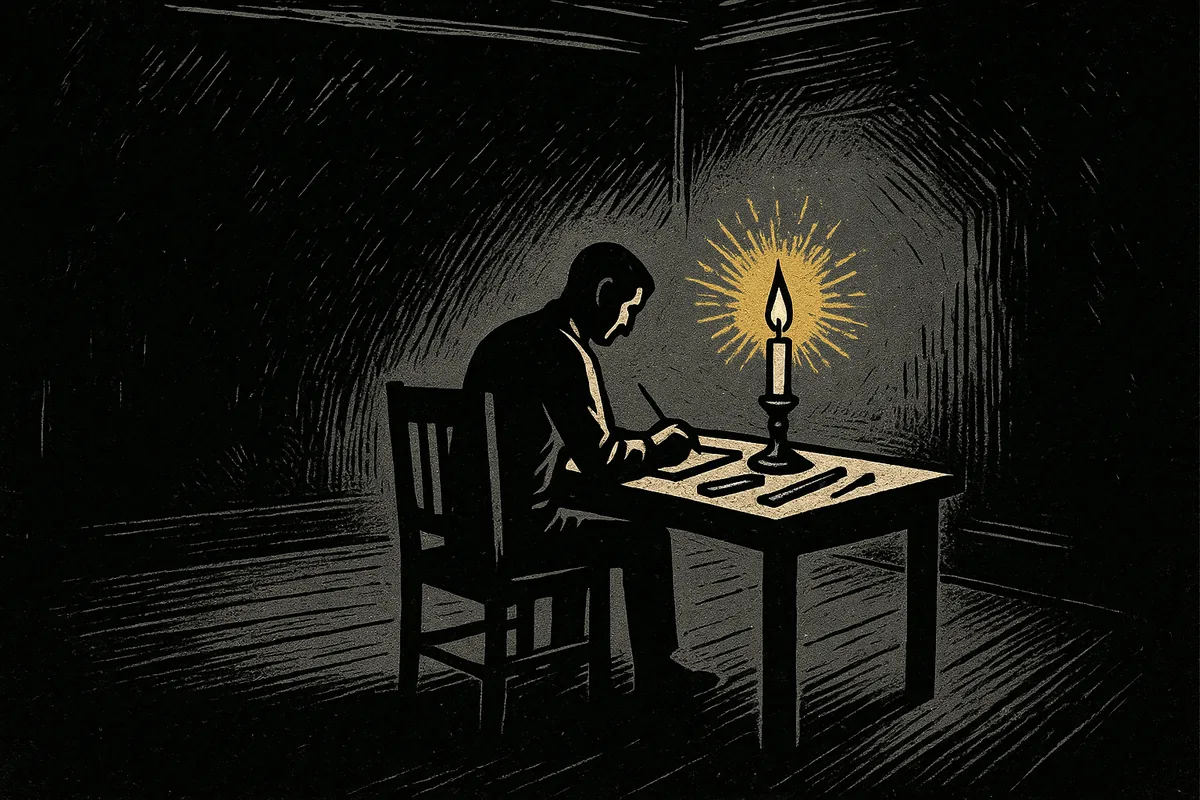
Discipline is a word that has survived its popularizers. Strip away the podcast-circuit noise about morning routines and cold plunges, and what you find underneath is something the pre-modern world understood with considerably more precision: the capacity to govern yourself is the precondition for governing anything else. Confucius put the warrior framing on it. Plato built a political philosophy on the analogy between the ordered soul and the ordered city. Nietzsche made it the defining mark of the higher type. The convergence is not coincidental – it reflects something structural about human nature that two and a half millennia of serious thinkers kept running into from different angles.
The tradition represented on this page distinguishes three things that our present therapeutic culture tends to collapse into one. The first is self-mastery – the recognition that the passions are not your identity but your raw material, and that the man who cannot command himself is not free in any meaningful sense regardless of what the law permits him to do. The second is the discipline of the mind: the Stoic discovery, pressed hardest by Marcus Aurelius and Epictetus, that your response to circumstance is always within your jurisdiction even when the circumstance itself is not – which turns out to be an extraordinarily subversive idea once you actually apply it. The third is daily practice: the unglamorous reality that character is not a possession you acquire but a discipline you maintain, and that Goethe’s observation about the distance between thought and consistent action is not a motivational aphorism but a structural description of why most people stay soft.
The quotes below are organized around those three distinctions. Read them in sequence if you want the argument built properly. Read them at random if you want the argument in fragments. Either way, the writers here – spanning Confucius to Huxley, the Stoic barracks to the Romantic study – are not offering comfort. They are offering a diagnosis, and the prescription is the same one it has always been.
Self-Mastery: The Discipline of Conquering Yourself First
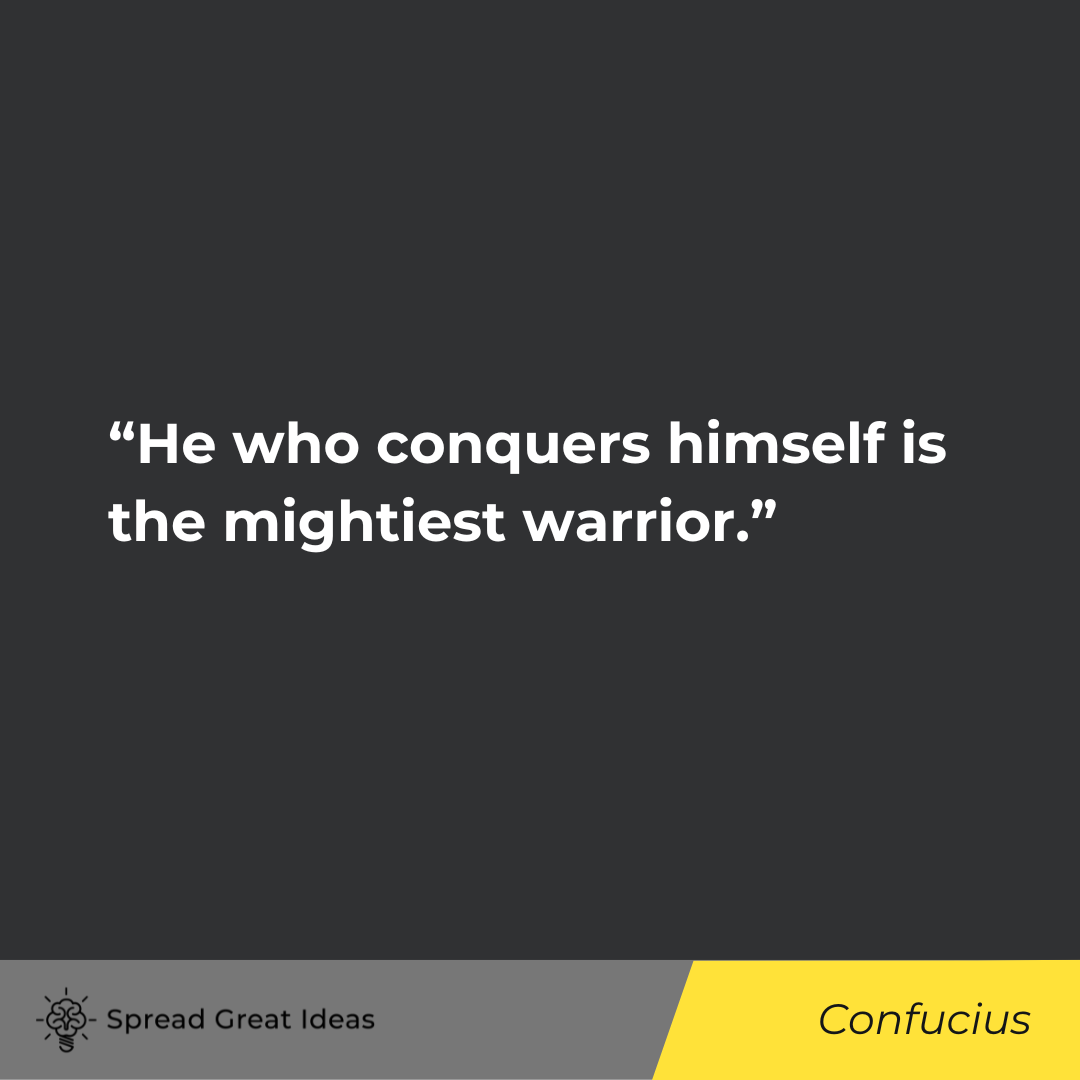
“He who conquers himself is the mightiest warrior.”
- Confucius, Attribution contested
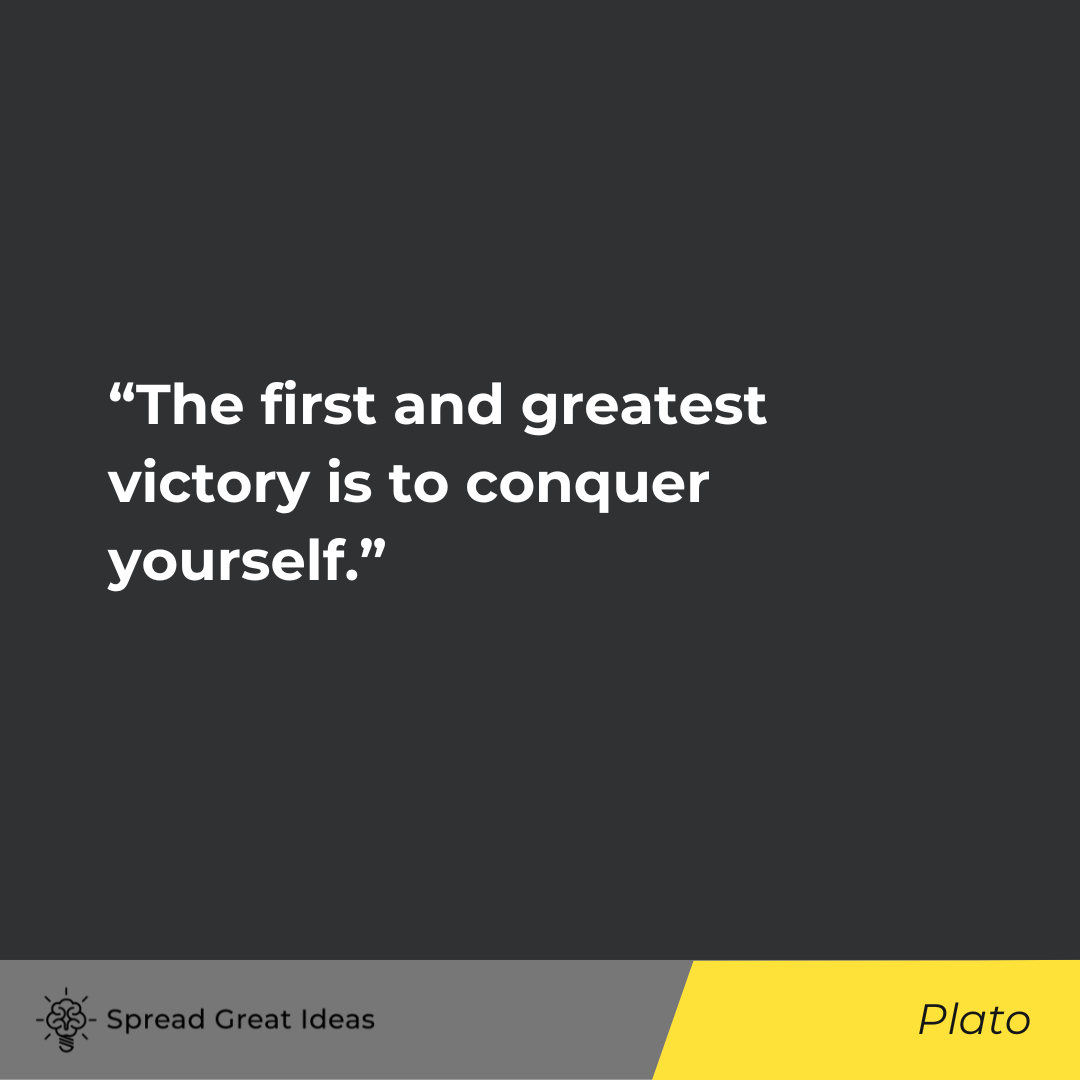
“The first and greatest victory is to conquer yourself.”
- Plato, Laws, Book I
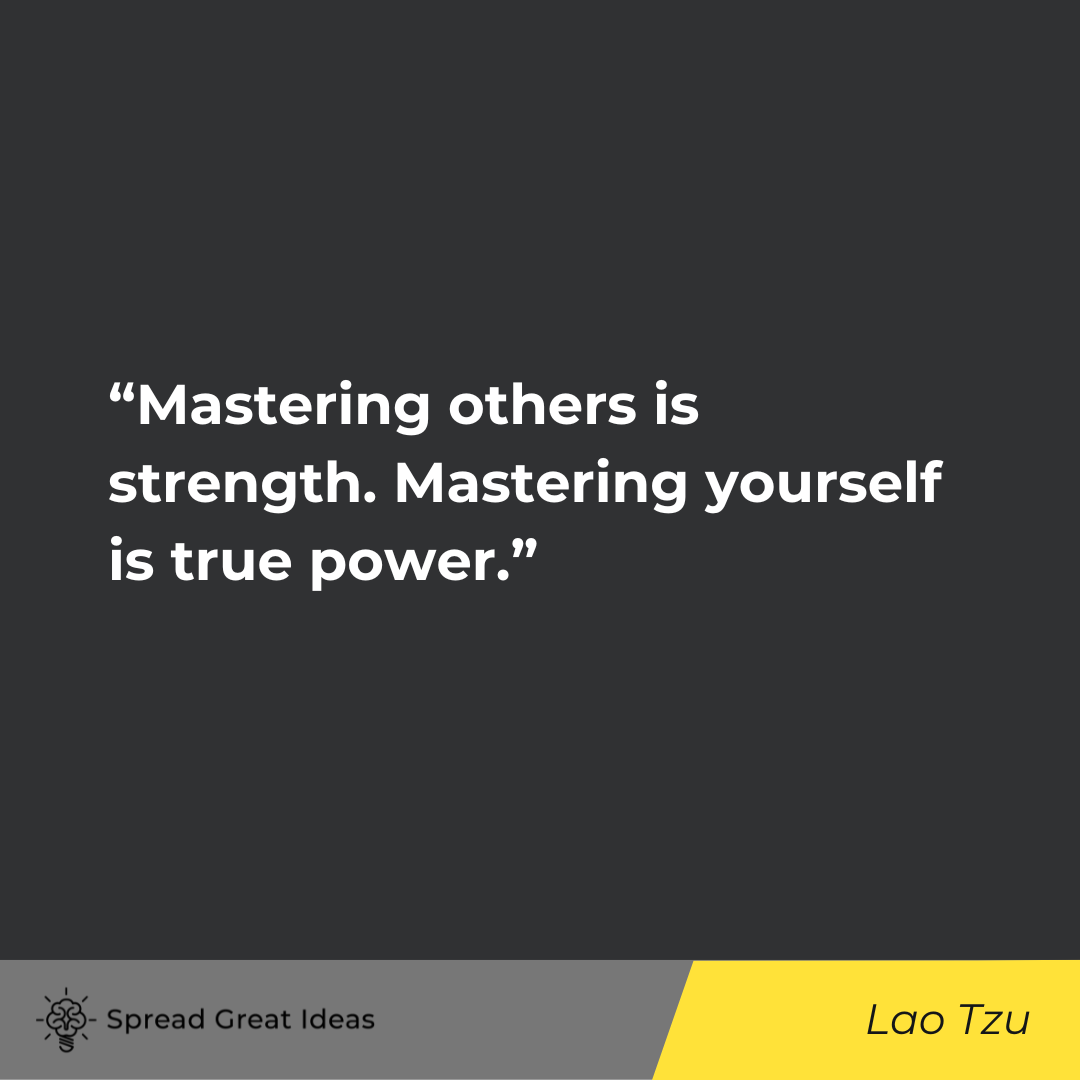
“Mastering others is strength. Mastering yourself is true power.”
- Lao Tzu, Tao Te Ching, Chapter 33
“Focusing is about saying No.”
- Steve Jobs, Steve Jobs – WWDC 97
“There is nothing that the busy man is less busy with then living; there is nothing harder to learn.”
- Seneca
“People pay for what they do, and still more for what they have allowed themselves to become. And they pay for it very simply; by the lives they lead.”
- James Baldwin

“Watch your thoughts, they become your words; watch your words, they become your actions; watch your actions, they become your habits; watch your habits, they become your character; watch your character, it becomes your destiny.”
- Lao Tzu
Discipline of the Mind: Choosing Your Response
“Experience is not what happens to you – it’s how you interpret what happens to you.”
- Aldous Huxley, Texts and Pretexts (1932)

“If someone succeeds in provoking you, realize that your mind is complicit in the provocation.”
- Epictetus, Discourses, Book II
“You will continue to suffer if you have an emotional reaction to everything that is said to you. True power is sitting back and observing everything with logic; if words control you that means everyone else can control you. Breathe and allow things to pass.”
- Bruce Lee, Attribution contested
“The soul becomes dyed with the color of its thoughts.”
- Marcus Aurelius, Meditations, Book 4
“Efficiency is doing things right; Effectiveness is doing the right things.”
- Peter Drucker
“Busyness – that state of constant distraction that allows people to avoid difficult realities and maintain self deceptions.”
- Lev Grossman, Jonathan Franzen: Great American Novelist
Discipline as Daily Practice: The Habit of Doing the Hard Thing
“To think is easy. To act is hard. But the hardest thing in the world is to act in accordance with your thinking.”
- Johann Wolfgang von Goethe
“Whatever is begun in anger, ends in shame.”
- Benjamin Franklin, Poor Richard's Almanack (1734)
“I am superior to you only in one point: I’m awake, whereas you are only half awake, or completely asleep sometimes. I call a man awake who knows in his conscious reason his innermost unreasonable force, drives, and weaknesses and knows how to deal with them.”
- Hermann Hesse, Siddhartha (1922)
“Starve your distractions, feed your focus.”
- Unknown
“Not in his speech, not in his thoughts, I see his greatness, only in his actions, in his life.”
- Hermann Hesse, Siddhartha
“You are what you do, not what you say you’ll do.”
– Carl Jung
Final Thoughts
If you read one book on discipline, read Meditations by Marcus Aurelius – the journal of the Roman emperor who built his discipline by writing to himself every morning about what he was about to face that day. Then read the Discourses by Epictetus (Aurelius’s source) and the Tao Te Ching for the Eastern version of the same insight. They cover almost everything most modern self-help books are repackaging.
What holds these quotes together is a single structural claim that every tradition on this page arrives at independently: external conditions are the wrong unit of analysis. Confucius is not talking about your enemies. Huxley is not talking about your circumstances. Goethe is not talking about your intentions. They are all talking about the gap between what you face and what you do with it – and they are all insisting that gap is where character actually lives. You can read that as philosophy. The more useful reading is operational. The question is not whether hard things will happen today. The question is whether you have practiced the response often enough that it runs without deliberation when you need it to.
The tradition represented here predates every productivity system, every habit tracker, and every morning routine currently being sold to you. It did not require a subscription. What it required was honesty about the distance between the person you are and the person you are capable of being – and the daily, unglamorous work of closing that distance. That is still the requirement. It has not changed.