
 BY
BY Table of Contents

Mentorship is one of the few transmission mechanisms that no institution can fully bureaucratize. Credentials can be issued by committees, credentials can be revoked by committees, but the actual transfer of formed judgment from one person to another resists systematization. That is precisely why the managerial state has spent decades replacing it with credentialism – with coursework, certificates, and human-resources pipelines that simulate the mentor-mentee relationship while stripping out its substance. What gets lost in that substitution is not information but formation: the shaping of how a person thinks, not merely what they know.
The quotes collected here cut across centuries and disciplines, but they share a common diagnosis. Real mentorship does not manufacture copies of the mentor. It does not fill a vessel with approved content. It kindles something already latent in the student and then gets out of the way. That distinction – between the mentor as mold and the mentor as catalyst – is the structural argument running through every quote on this page. You will want to hold that distinction in mind as you read.
The practical takeaway is this: if you are on the receiving end of mentorship, the quality of your guide matters less than your willingness to be formed rather than merely informed. If you are on the giving end, the measure of success is not how much the mentee resembles you – it is how fully they have become themselves. These quotes offer no flattery and no procedural shortcuts. They describe a relationship that requires honesty, discernment, and a tolerance for the discomfort of real growth.
What Mentorship Actually Is – and Is Not
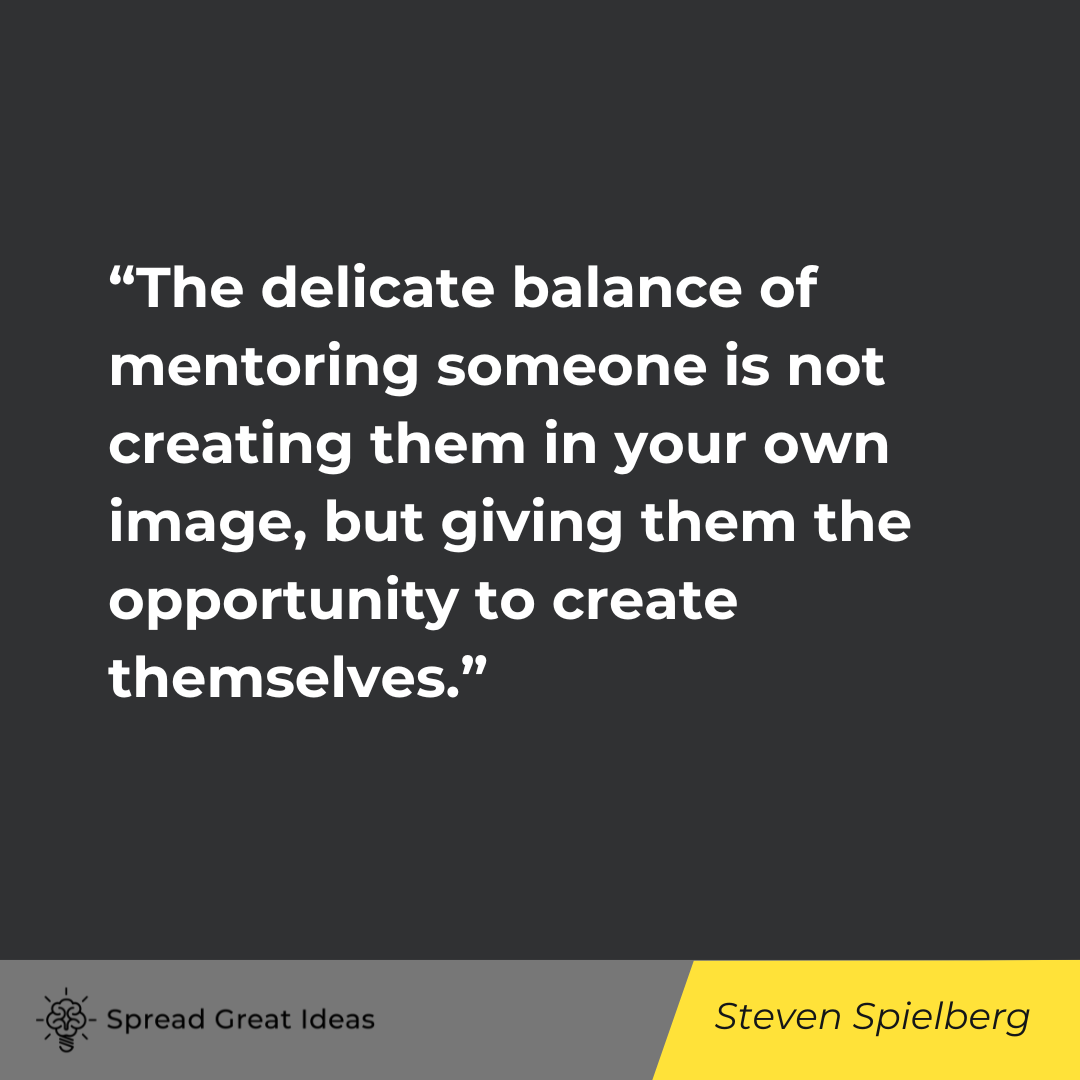
“The delicate balance of mentoring someone is not creating them in your own image, but giving them the opportunity to create themselves.”
- Steven Spielberg, BrainyQuote

“The greatest good you can do for another is not just share your riches, but reveal to them their own.”
- Benjamin Disraeli, Goodreads
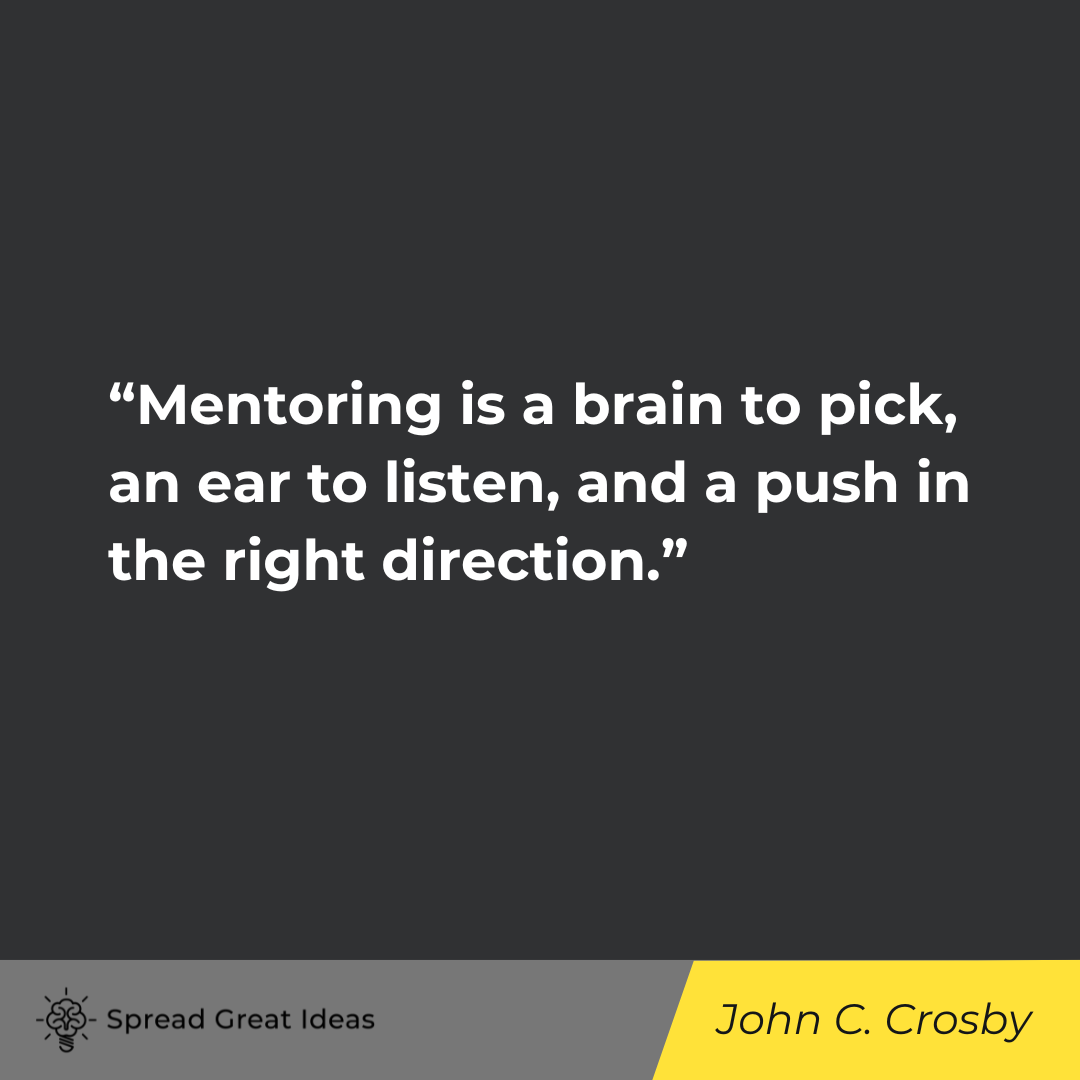
“Mentoring is a brain to pick, an ear to listen, and a push in the right direction.”
- John C. Crosby, BrainyQuote
Leadership as the Art of Releasing Capability in Others
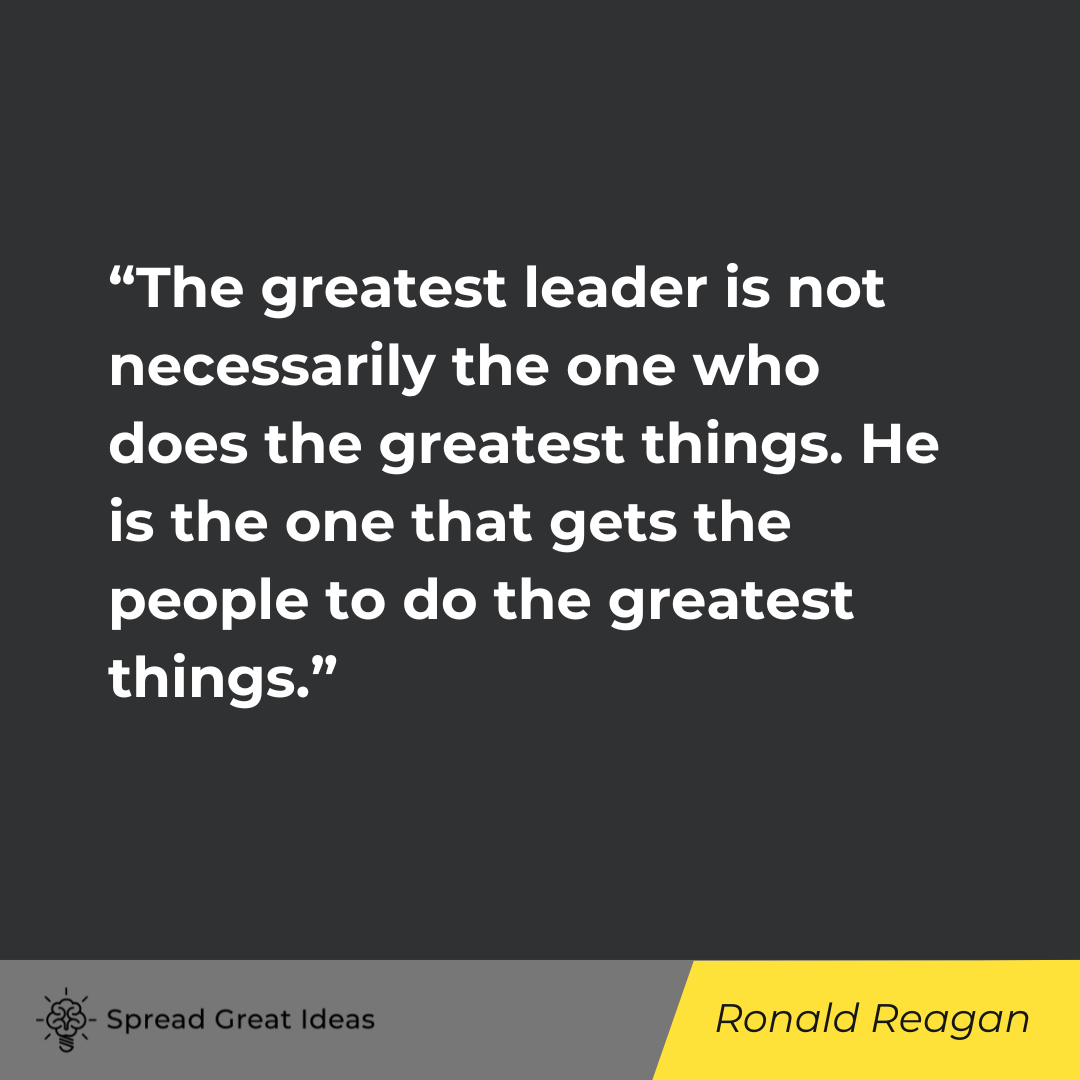
“The greatest leader is not necessarily the one who does the greatest things. He is the one that gets the people to do the greatest things.”
- Ronald Reagan, Goodreads
“The greatest good you can do for another is not just share your riches, but reveal to them their own.”
- Benjamin Disraeli, Goodreads
Teaching How to Think – Not What to Think
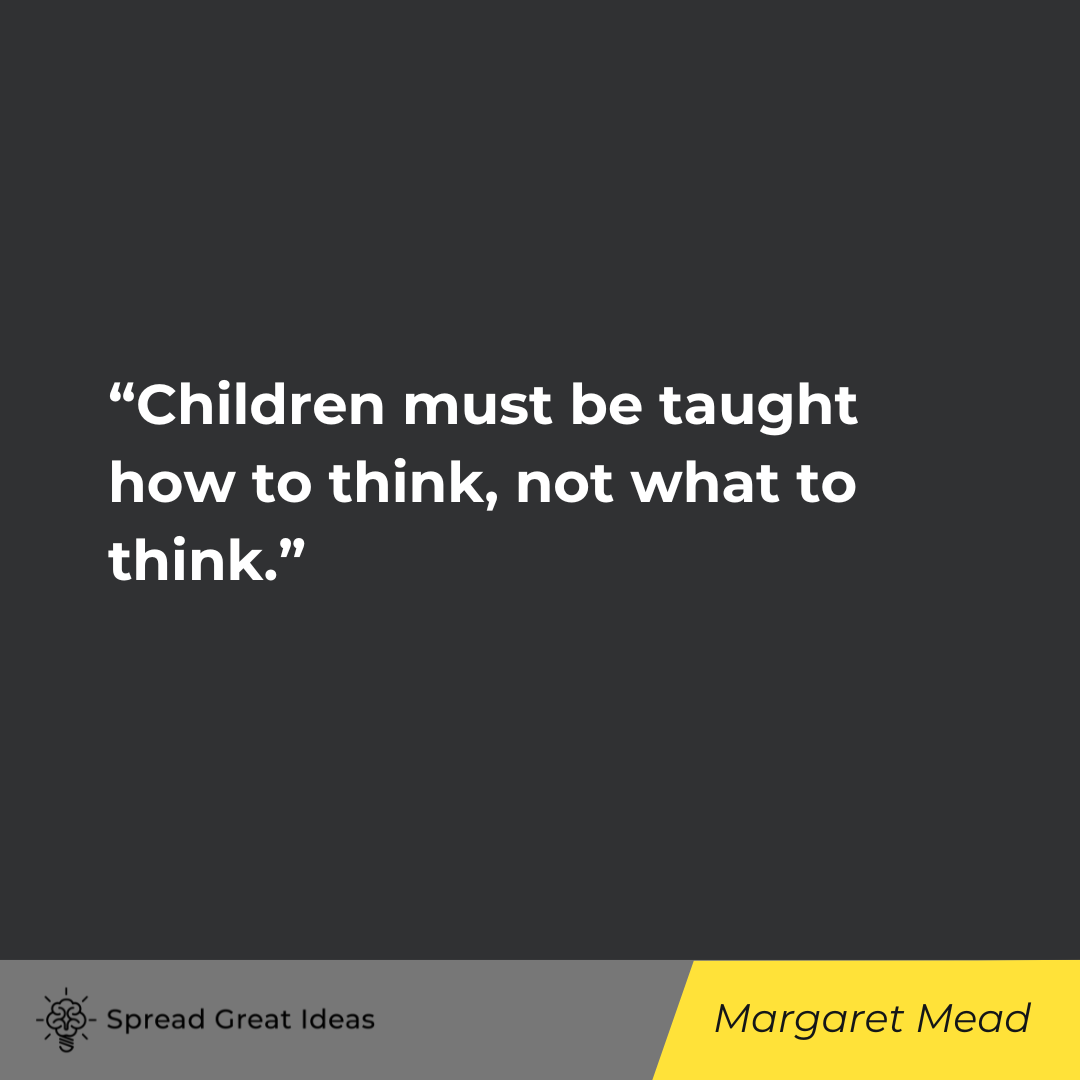
“Children must be taught how to think, not what to think.”
- Margaret Mead, Goodreads

“The mind is not a vessel to be filled, but a fire to be kindled.”
- Plutarch, Goodreads
Final Thoughts
The quotes above converge on a point that runs counter to how most modern institutions handle human development. The corporate-government complex – including its credentialing apparatus and its human-capital management frameworks – is structurally oriented toward standardization. Mentorship, properly understood, is the opposite of standardization. It is the transmission of formed judgment across generations by people willing to take responsibility for what they pass on. That is not a process that scales into a curriculum. It requires a mentor who has actually lived the thing being taught and a mentee willing to be accountable to someone whose standards are not negotiable.
For readers who want to go deeper into the philosophy of formation and self-cultivation, Pierre Hadot’s Philosophy as a Way of Life by Pierre Hadot is the most serious treatment of what the ancient schools actually understood education to be – not the accumulation of propositions but the reshaping of character through sustained practice. Hadot’s recovery of the Stoic and Platonic traditions of spiritual exercises is a useful corrective to the idea that wisdom can be transferred through a syllabus. The mentor, in that older tradition, was not a content-delivery mechanism. The mentor was a living argument for a particular way of inhabiting the world – and the mentee’s task was to judge whether that argument was worth accepting.