
 BY
BY Social Gospel Movement
Table of Contents
The Social Gospel Movement refers to a late-nineteenth and early-twentieth century American Protestant movement that recast Christian mission as the elimination of social evils - poverty, inequality, alcoholism, and slums - as a precondition for Christ’s return. It is widely regarded as the religious root of American progressivism.
The Social Gospel Movement was the moment American Protestantism decided the horizontal axis mattered more than the vertical one. The poverty in the slums was real, and the men who walked into those slums were not wrong to be troubled by it. What they built, however, was a theology in which Christ’s return waited on the reform of social conditions, which meant the church’s energy rotated from worship and confession to legislation and program. The state inherited what the church vacated.
Russell Kirk would have named what was lost: the older Christianity did not need social conditions corrected before it could tend a dying man or feed a widow. That work happened in a parish, by name, with accountability. The mainline denomination that traded the parish for the policy brief is still trading. Find a congregation that did not make that deal.
Where the Term Comes From

A Congregationalist minister named Charles Oliver Brown is credited with coining the phrase in the 1880s. The idea spread fast through Protestant seminaries and urban parishes.
The core claim was simple. Christ would not return until mankind had cleaned up its mess. Not private sin - social sin. Slums. Wage labor. The saloon on the corner. The illiterate child.
Man was to build Heaven on Earth. He was to perfect creation before the Second Coming arrived. That is a long way from Augustine. It is a long way from Luther. It is a long way from every serious theologian who ever read the Book of Revelation carefully.
Walter Rauschenbusch gave the movement its intellectual backbone. His 1907 book Christianity and the Social Crisis became the movement’s scripture. If you want to understand where the mainline Protestant churches went, start there.
The Bridge to American Progressivism
A factory foreman in 1910 Pittsburgh who attended a Social Gospel church on Sunday was hearing the same diagnosis as the secular progressive reading Upton Sinclair on Monday. The evils were the same. The remedy - collective action, government reform, reshaping institutions - was the same.
The Social Gospel Movement became the religious wing of American progressivism. It supplied fervor. Secular reformers supplied organization. Together they pushed the country toward the regulatory and welfare state that arrived in the New Deal and never left.
The animating theology faded. The habit of mind did not. What began as a reading of the End Times became, in time, the secular project of positive rights - the government’s obligation to guarantee outcomes, not just protect liberties.
The further that theology retreated, the more the movement borrowed from other sources. By the mid-twentieth century, the vocabulary was less Rauschenbusch and more Frankfurt School. The mission stayed the same. Make the world over. By force if necessary.
The Perfectibility Problem
Orthodox Christianity holds that man is fallen. Broken at the root. In need of grace, not just better policies. The Social Gospel movement rejected that, or at least shoved it aside.
If man is perfectible, the church’s job is no longer the saving of souls. It is the remaking of society. The pulpit becomes a political platform. The sermon becomes a policy agenda.
This is where it gets dangerous. People who believe they are building the Kingdom of God - or its secular equivalent - do not negotiate well with opposition. They do not compromise. You are not a political opponent. You are an obstacle to the divine project.
Jim Jones was a preacher. He ran a church. He talked the Social Gospel language his whole career. His congregation of hundreds ended in Jonestown in 1978. That is the extreme case. But the extreme case illuminates the ordinary one.
You do not need mass suicide to see the pattern. A school board that will not tolerate dissent on its equity curriculum. A denomination that expels pastors who hold traditional views. A HR department that fires employees for wrong-think. The certainty is the same. The intolerance is the same. The scale is different.
Where It Lives Today
The Southern Baptist Convention - once a bulwark of theological conservatism - has spent the last decade fighting off Social Gospel influence from within. The evangelical world is not far behind. The language of social justice has moved into congregations that once would have recognized it as a foreign body.
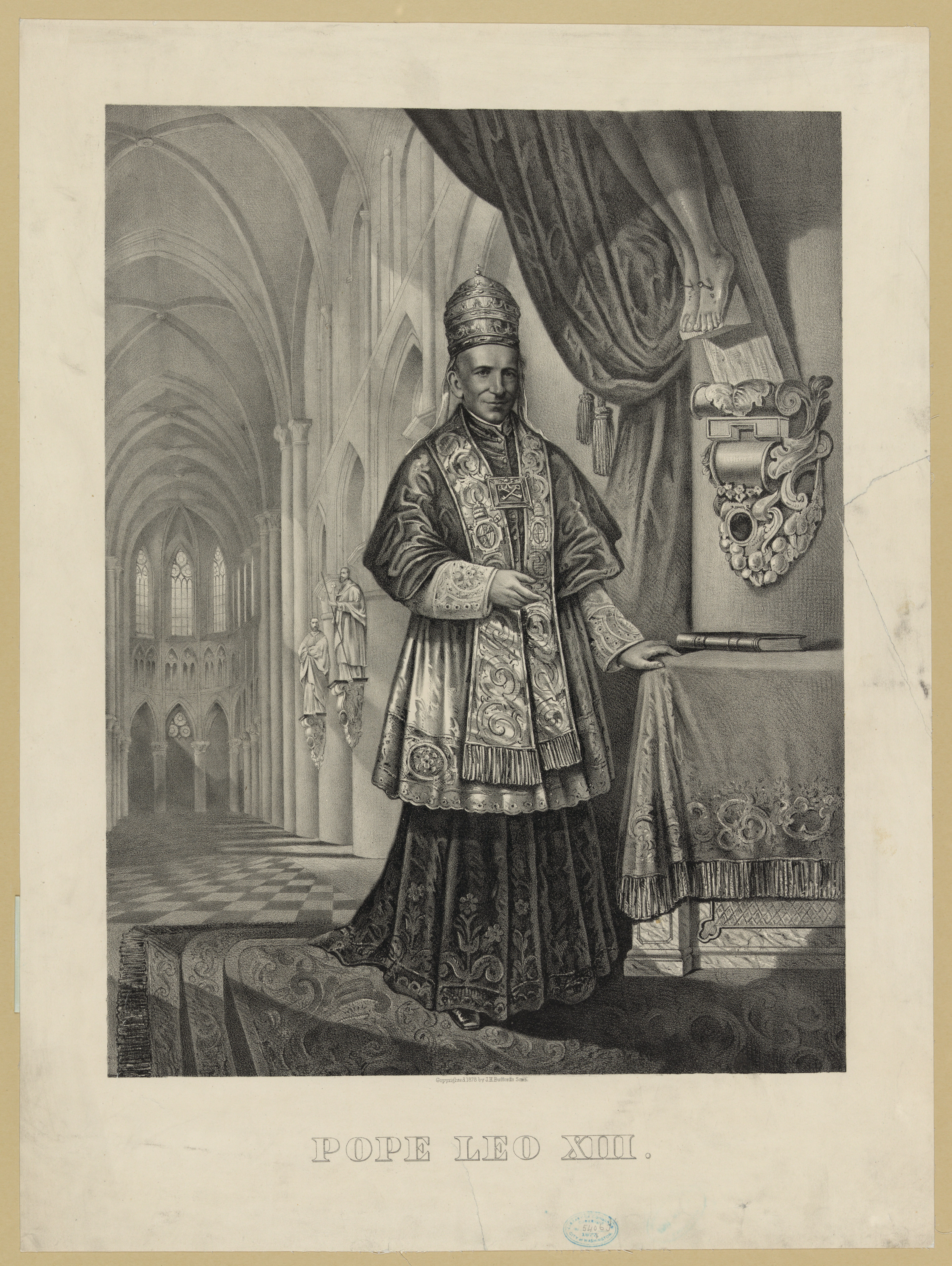
The Catholic Church has its own tradition called Catholic social teaching. It is worth distinguishing. Catholic social teaching focuses on the duties of the wealthy and the responsibilities of a just society. It is not a blueprint for state-managed redistribution. Pope Leo XIII’s 1891 encyclical Rerum Novarum is explicit that socialism is incompatible with Catholic doctrine. The Social Gospel movement had no such guardrail.
The Church of Jesus Christ of Latter-Day Saints explicitly rejects the Social Gospel. That is a notable exception in the American religious landscape.
The secular heir to the movement is the American civil religion of the managerial class - the belief, held with genuine religious intensity, that the right experts running the right institutions can eliminate inequality, prejudice, and suffering. It is the Social Gospel with God removed and the state installed in His place.
Russell Kirk warned about exactly this substitution. When transcendent religion fades, ideology fills the space. Ideology with a messianic edge is the most dangerous kind. For the full account of how this plays out politically, read The Conservative Mind.
« Back to Glossary Index