
 BY
BY Human Potential Movement
Table of Contents
The Human Potential Movement is a humanistic psychology movement that emerged in the 1960s, combining Western psychology with Eastern mysticism and the idea that people possess largely untapped personal potential. It holds that unhappiness stems from failing to ‘actualize’ that potential.
The Human Potential Movement is a humanistic psychology movement that emerged in the 1960s and taught that ordinary people carry enormous reserves of untapped potential, blocked only by the wrong environment, the wrong therapist, or insufficient self-awareness.
The older tradition had a different account of the same problem. It said character is not unlocked by the right workshop. It is built by repetition, by obligation, by doing the hard thing when you would rather not, and by submitting to standards that exist outside yourself. What the Human Potential Movement replaced was not repression. It was formation. Russell Kirk called them the permanent things: the habits, loyalties, and disciplines that civilizations transmit across generations. Those things still work. The California seminar was always the shortcut that wasn’t.
Where It Came From
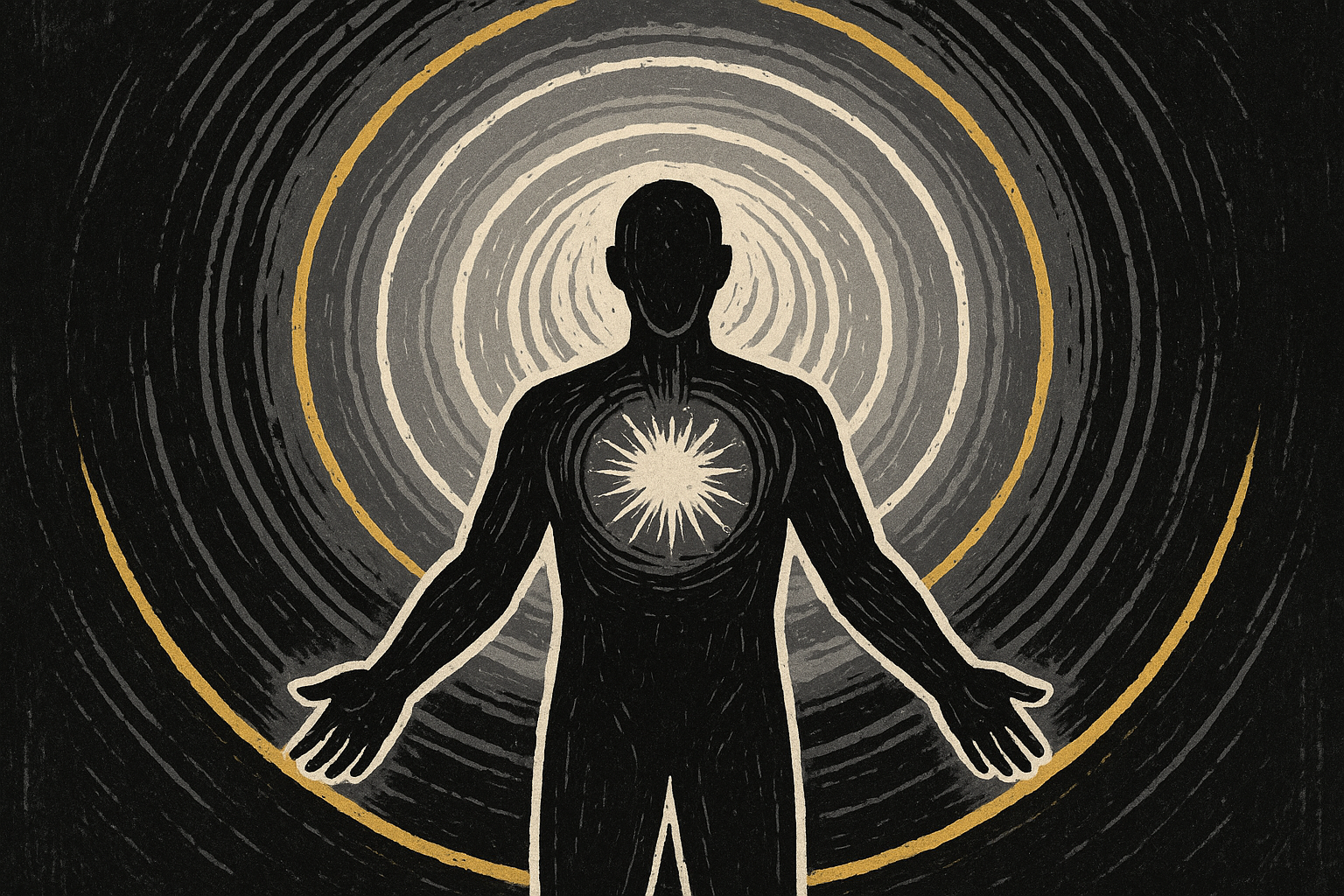
Picture a California campus in 1965. A professor tells his students they are capable of limitless growth. All they need is the right workshop, the right guru, the right breathing exercise. That pitch had a name.
The Human Potential Movement rose alongside the counterculture. It borrowed from Buddhism the idea of breaking free from social constraint. It borrowed from Rousseau the assumption that man in a natural state is good, and that society corrupts him.
Psychedelics fed the same current. A trip on psilocybin or LSD felt like evidence that the ordinary self was a cage. The movement turned that feeling into a program.
Abraham Maslow supplied the theory. His hierarchy of needs placed ‘self-actualization’ at the top - continued personal growth by one’s own measure. A peak experience, whether a religious rite or a drug trip or a group therapy session, moved you closer to it. Maslow himself eventually grew uneasy with where the movement was headed, and broke from it before his death in 1970.
Aldous Huxley was another early figure who later stepped back. Bhagwan Shree Rajneesh, known as Osho, and Michael Murphy, co-founder of the Esalen Institute in Big Sur, became the movement’s more lasting faces.
The Flaw Built Into the Foundation

Ask a follower of this movement what ‘human potential’ includes. You will hear creativity, compassion, wisdom, love.
Ask whether it includes the guard who runs a death camp. Or the con artist who bleeds a widow dry. You will get silence.
That silence is the tell. Maslow’s model was built on what psychologists call a non-pathological approach - it looked at high achievers, not troubled patients. It measured health by the best of what people do. It set aside the worst.
Solzhenitsyn put it plainly: ‘The line dividing good and evil cuts through the heart of every human being.’ The Human Potential Movement drew that line around the self and called everything inside it good.
Nathaniel Branden, an Ayn Rand associate who studied these figures closely, said it directly about Rajneesh: ‘The greater a man’s brilliance, the greater number of truths he has insight to, the more dangerously destructive that man has the power to be - if his core is evil.’ Brilliance without moral grounding is not potential realized. It is capacity for harm, scaled up.
A study by social analyst Geoffrey Hill found that the ‘potential’ the movement produced was mostly selfishness and immaturity. It gave Baby Boomers a language for self-absorption that translated smoothly from commune to corner office.
The Cult Problem
The Human Potential Movement has been accused of hive thinking, brittle resistance to criticism, undue reverence for its leaders, and an inability to tolerate dissent.
Those are the features of a cult. Not an accusation. A description.
The Rajneesh communes made the pattern visible. Loyal followers, isolated from outside scrutiny, organized around a charismatic leader who claimed special access to truth. When criticism came, followers did not examine it. They expelled the critic.
This is what happens when a movement tells people their instincts are sacred and their inhibitions are oppression. You do not get liberated individuals. You get people who cannot hear ‘no.’ Carl Jung warned that removing a man’s gods does not free him - it only installs new ones. The Human Potential Movement installed the self as god, then handed it over to whoever ran the seminar.
The status anxiety underneath the whole project was real. People wanted to matter, to grow, to escape the feeling of being stuck. Those are legitimate desires. The movement gave them a counterfeit answer.
The Perfectibility Trap
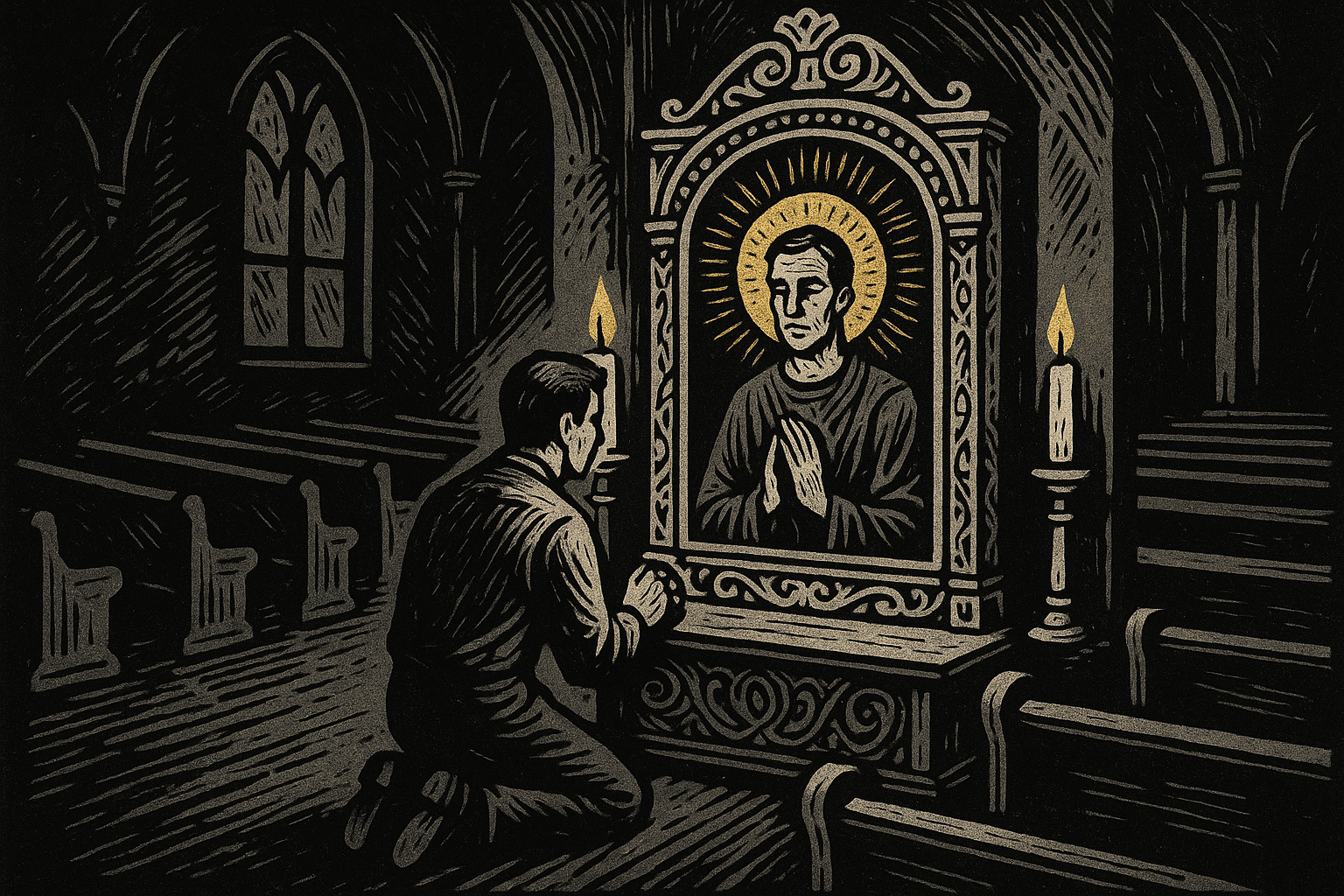
Every utopian project of the 20th century ran on the same fuel: the belief that man can be perfected. The Soviet experiment ran on it. The therapeutic state runs on it now.
The Human Potential Movement was not Soviet. But it shared the premise. If unhappiness is a failure to actualize, then unhappiness can be engineered away. Given the right conditions, the right facilitator, the right technique, mankind arrives at something like paradise.
Christianity said otherwise. So did most serious moral philosophy before the Enlightenment took hold. Man is both sinner and saint. The capacity for generosity and the capacity for cruelty live in the same chest.
A philosophy that ignores one half of that does not liberate anyone. It disarms them. It strips away the honest reckoning with one’s own darker nature that any genuine moral growth requires.
Victor Davis Hanson put the realist case simply: ‘There’s always going to be evil in the world.’ Not because institutions failed. Not because potential went unrealized. Because human nature is what it is.
That is not pessimism. It is the starting point for any serious account of what people are capable of - good and bad alike. For the longer argument on what a realistic view of human nature looks like, the Human Nature quotes page here at SGI is a good place to start. The American Civil Religion entry traces how therapeutic optimism embedded itself in public life.
« Back to Glossary Index