
 BY
BY Table of Contents
There’s a cool story about a little-known Italian courtier named Baldassare Castiglione that holds a nugget of truth for modern times. Buckle up, and here we go.
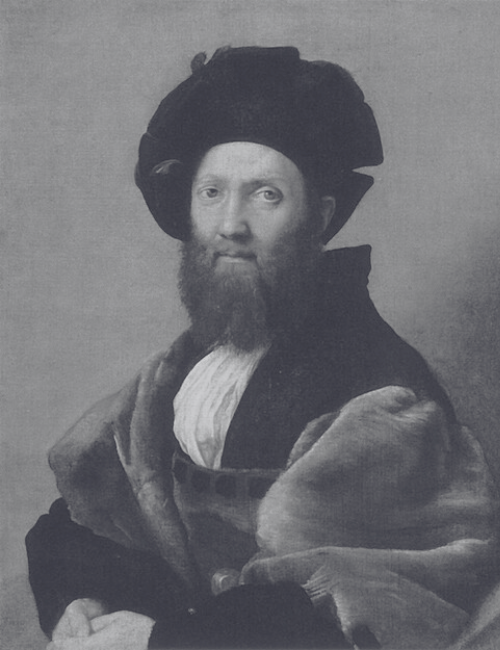
In 1528, Castiglione published The Book of the Courtier. It became the most influential etiquette manual in European history. Kings read it. Diplomats memorized it.
The book’s central concept was sprezzatura – from sprezzare, meaning to disdain or disregard. The idea is deceptively simple: make the difficult look easy. Conceal the effort. Hide the machinery.
Not actual effortlessness. That’s the part people miss. Sprezzatura isn’t laziness. It’s the disciplined concealment of labor. The ballerina who makes a fouette look like breathing. The comedian whose set sounds improvised but was workshopped two hundred times. The CEO who summarizes a complex situation in one sentence – a sentence that took three analysts and a week of research to produce.
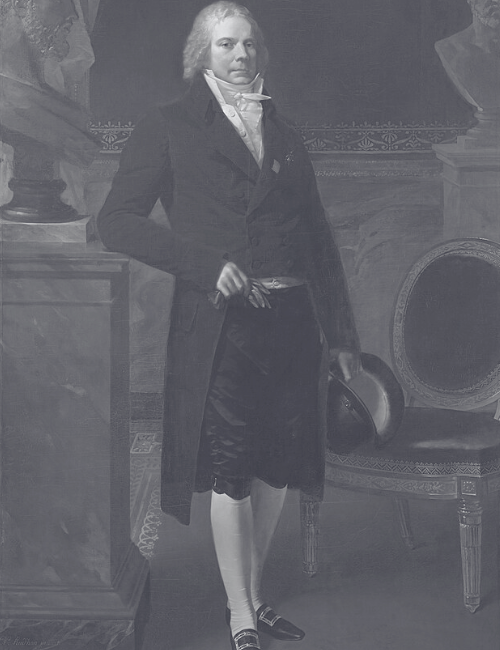
Talleyrand
Charles-Maurice de Talleyrand served as France’s chief diplomat under Louis XVI, through the Revolution, under Napoleon, and then under the restored monarchy. (Four regimes. Most people didn’t survive one.)
He never liked to work too hard. So he made others do the work – the spying, the research, the detailed analyses. He had an enormous intelligence apparatus feeding him information. But he never appeared to strain. When his spies revealed that a certain event was about to take place, he’d drop it casually into social conversation, as if he simply sensed its imminence.
People thought he was clairvoyant.
His short, pithy statements always seemed to summarize a situation perfectly. But they were based on enormous research and thought. To those in government, including Napoleon himself, Talleyrand gave the impression of immense power – entirely dependent on the apparent ease with which he accomplished his feats.
Here’s why it worked: “What is understandable is not awe-inspiring – we tell ourselves we could do as well if we had the money and time.” The moment you reveal the inner workings, you become just another mortal. But conceal the mechanism? You appear to be the only one who can do what you do.
And because you achieve things with grace and ease, people believe you could always do more if you tried harder. That elicits not just admiration but a touch of fear. Your powers are untapped. No one can fathom their limits.

The Modern Inversion
Now look at what we celebrate today.
Open any social media platform. People filming themselves at 4:30 AM. Posting screenshots of their screen time. Bragging about sleeping four hours. Recording themselves crying at their desk and calling it “vulnerability.”
This is the exact opposite of sprezzatura. This is anti-sprezzatura – the deliberate, performative display of effort.
The hustle porn industrial complex has convinced an entire generation that the appearance of grinding is more important than the outcome of the grind. That struggle itself is the product.
(Castiglione would have found this vulgar. He was quite clear about that.)
The problem isn’t hard work. Hard work is necessary. The problem is advertising it. When you reveal every shortcut and trick, you give people ideas they can use against you. You lose the advantages of keeping silent. And you destroy the mystique.
Napoleon recognized something related: “If I am often seen at the theater, people will cease to notice me.” In a world inundated with presence through the flood of images, the game of withdrawal is all the more powerful. Nothing seems private, so we’re awed by anyone who can disappear by choice.
Think about the people you find genuinely impressive. Not the ones posting motivational content at 5 AM. The ones who show up with the answer and you have no idea where it came from.
That’s sprezzatura. And it’s vanishingly rare now precisely because everyone else is doing the opposite.
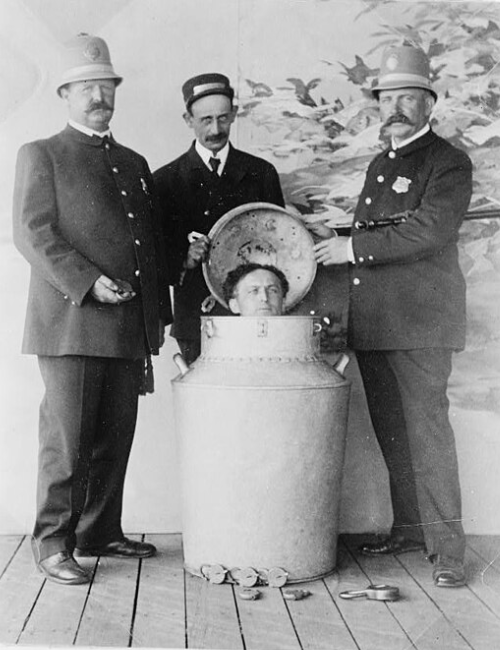
Houdini
Houdini’s tricks were the product of obsessive preparation – years of physical training, engineering study, and practice. The Milk Can Escape alone required him to hold his breath for over three minutes while manipulating locks in a confined space filled with water.
The audience never saw any of that. They saw Houdini, calm, almost casual, stepping into an impossible situation and walking out the other side.
But here’s the nuance: the concealment itself had to seem lighthearted. A zeal to conceal your work creates a paranoiac impression. You’re taking the game too seriously. Houdini made the concealment of his tricks part of the show. The mystery was fun. The audience wanted to not know.
(Even the concealment of effort should conceal its own effort. Turtles all the way down.)
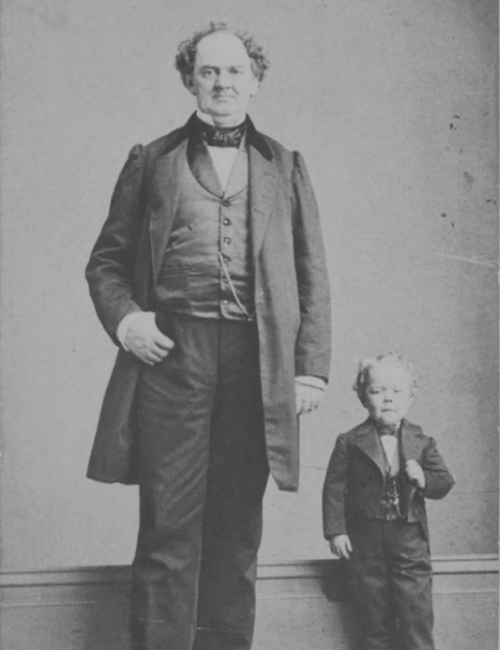
Barnum
P. T. Barnum took the opposite approach – and it worked. He publicized his own humbuggery. Told the audience exactly how the tricks were done. Even wrote an autobiography detailing his deceptions.
Does this disprove sprezzatura? No. It extends it.
Barnum recognized his public wanted to feel involved. The partial disclosure of tricks became its own trick – the ultimate meta-performance. “I’m so confident in my abilities that I can show you how it’s done and you’ll still come back.”
The kicker here? Barnum’s disclosure was carefully planned. He chose what to reveal and what to hold back. The transparency itself was a performance. That’s not the opposite of sprezzatura. That’s sprezzatura operating at a higher level.
Compare this to the LinkedIn poster sharing “my morning routine for peak performance” or “the 7 steps I used to close a $500K deal.” They think they’re being Barnum. They’re not. Barnum controlled the narrative. The LinkedIn poster is just telling you everything. For likes. No strategy. No architecture of disclosure. Just a need to be seen working.

The Propensity to Blab
We tend to want the world to know what we’ve done. We want our vanity gratified. We may even want sympathy for the hours it took to reach our point of artistry.
This is the propensity to blab. And its effect is almost always the opposite of what you expected.
You think people will admire the effort. Instead, they demystify you. You think showing the work makes you relatable. Instead, it makes you replaceable.
Social media has turned this propensity into a business model. Entire platforms built on the monetization of self-disclosure. The result is a world where everyone is showing their work, all the time, and nobody seems powerful anymore. Just busy. Just loud.
In a world where everyone is broadcasting, the person who doesn’t explain themselves holds all the cards.