
 BY
BY Table of Contents
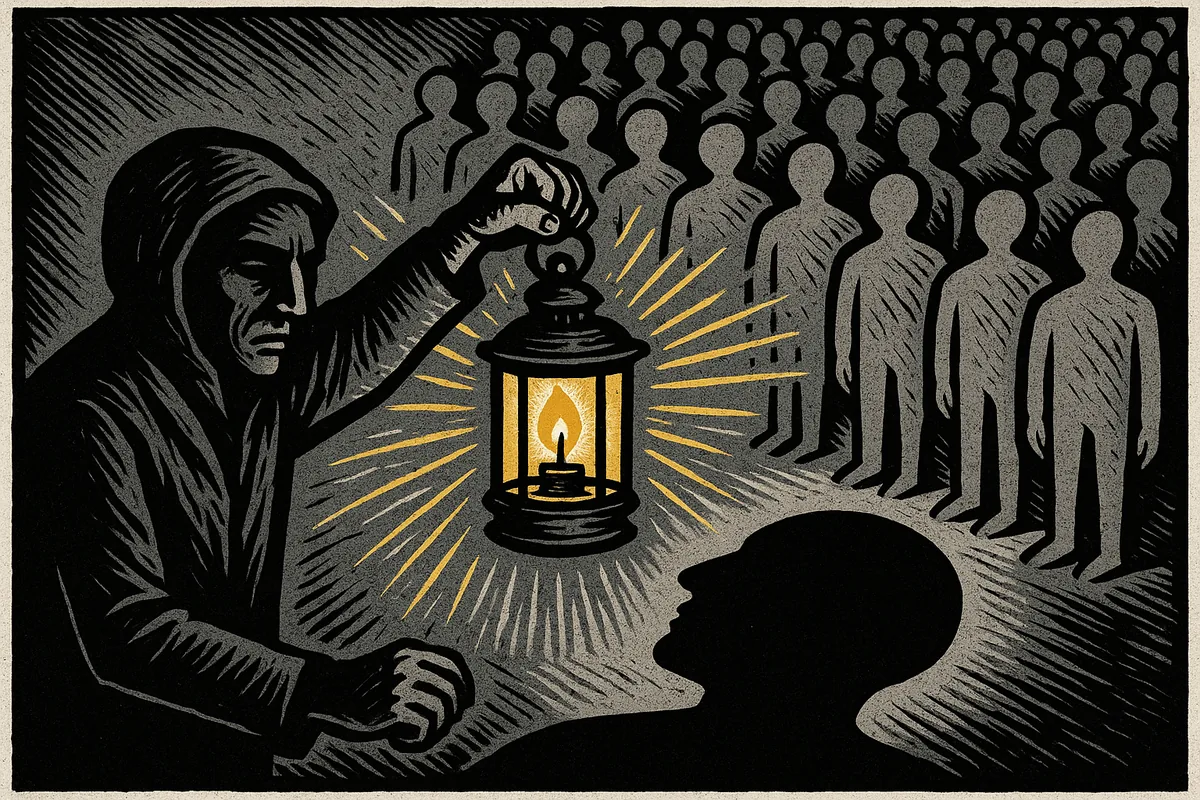
Critical thinking is not a disposition toward skepticism for its own sake. It is the refusal to accept an argument from the authority of its source rather than the weight of its evidence – a distinction the institutions that credential and inform most people have a structural interest in collapsing. Schools teach conclusions. Newsrooms manufacture consensus. Professional guilds police the Overton window of their fields. The result is a population that can reproduce the approved answers with impressive fluency and construct virtually nothing from first principles. That is not an accident of bad pedagogy. It is the output a managerial information order is designed to produce.
The writers collected here all ran into this problem at close range. Voltaire discovered that being correct when the regime is wrong is its own category of danger – not merely social, but legal and sometimes physical. Churchill watched men trip over inconvenient truths and resume walking as if nothing had happened. Schopenhauer mapped the standard lifecycle of any idea that threatens settled consensus: ridicule, then violent opposition, then self-evident acceptance with no acknowledgment that the ridicule ever occurred. What connects them is not a shared politics. It is a shared diagnosis – that the pressure to conform thought to the expectations of whoever holds institutional authority is constant, ambient, and almost invisible to people who have never deliberately stepped outside it.
The quotes below move through three related questions: what the genuinely independent mind actually looks like in practice, what happens to truth specifically when power is paying close attention to it, and how propaganda works on people who are certain they are too sophisticated to be propagandized. Read them in that order and a picture assembles itself – not a flattering one, but an accurate one. That is the only kind worth having.
The Mind That Resists Easy Answers
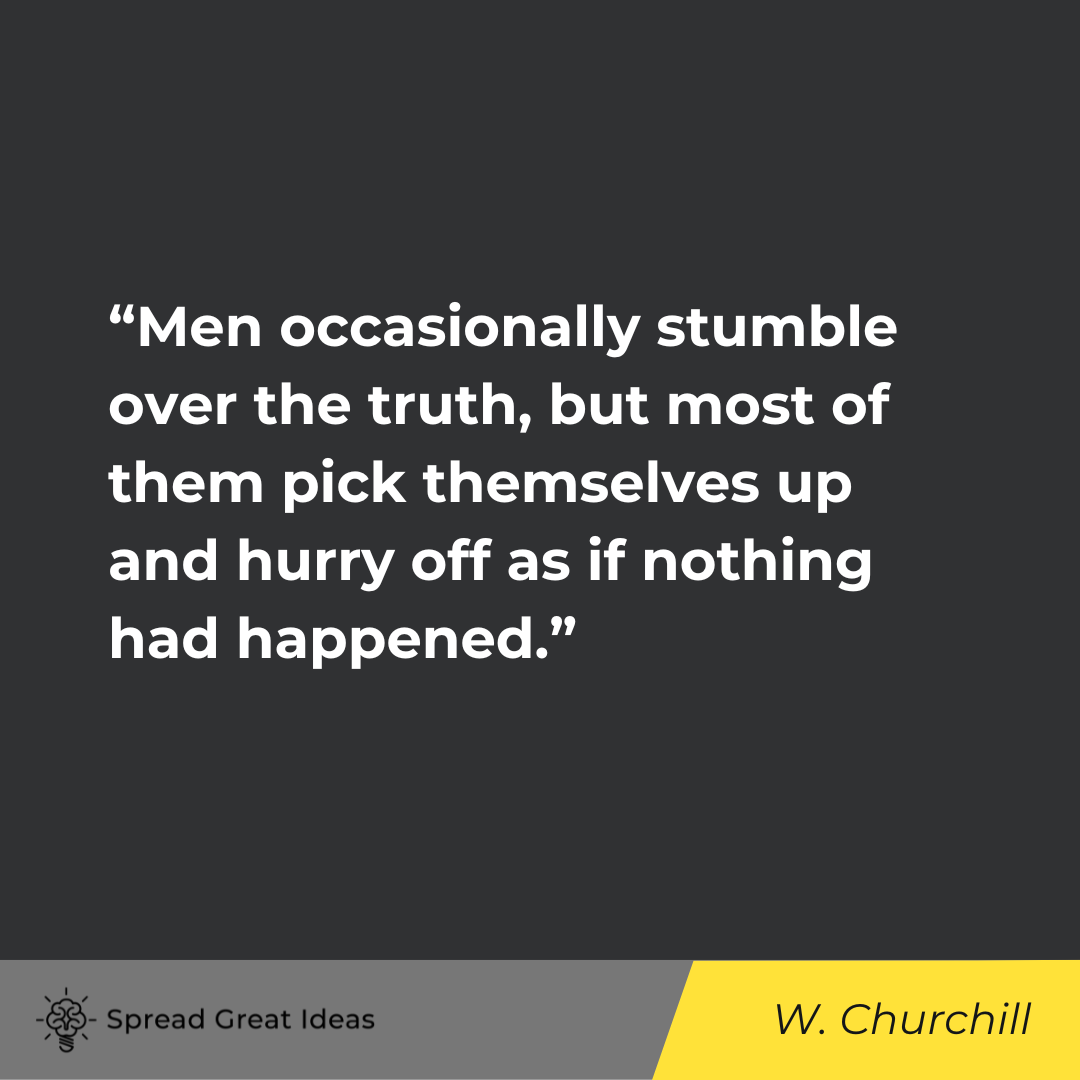
“Men occasionally stumble over the truth, but most of them pick themselves up and hurry off as if nothing had happened.”
– Winston Churchill
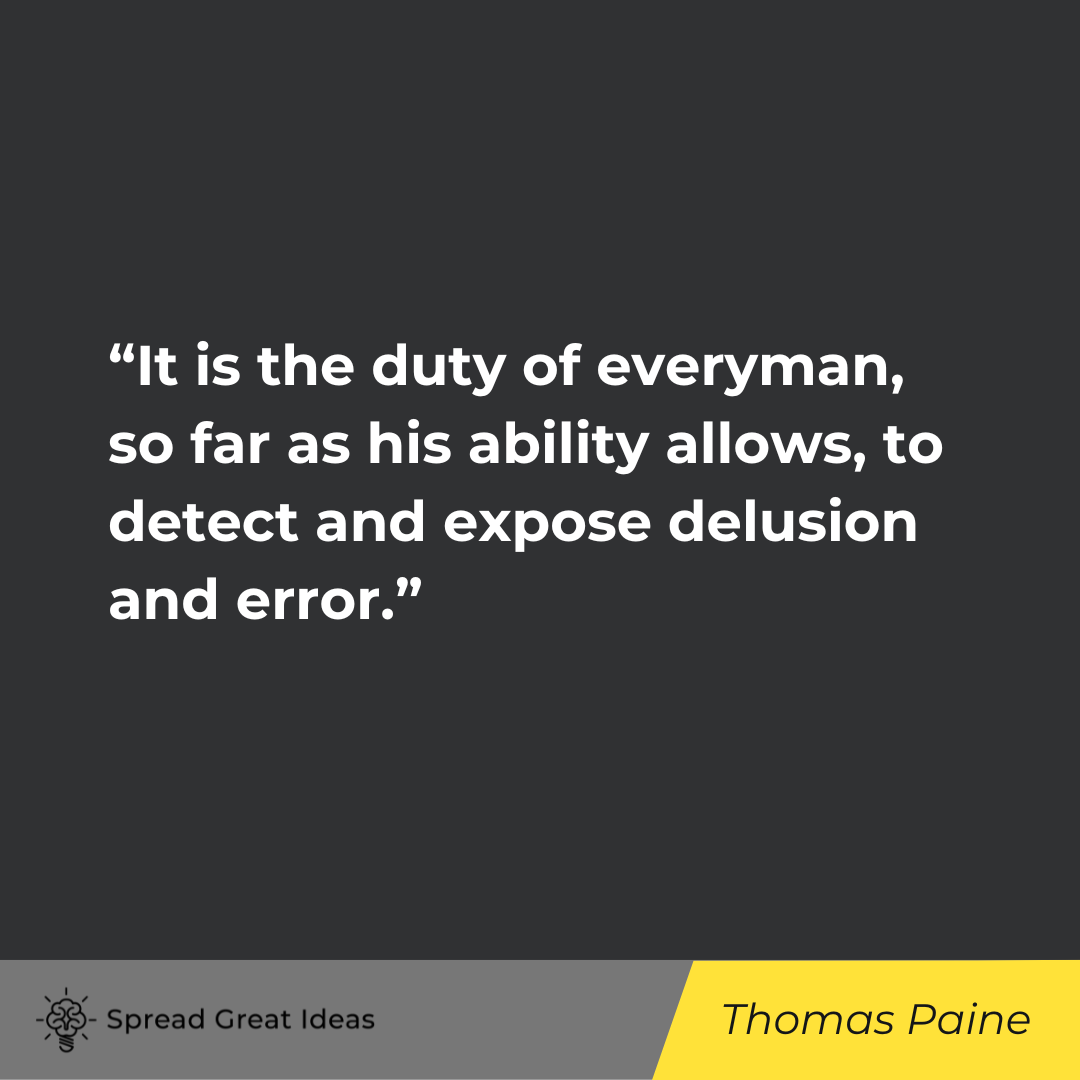
“It is the duty of everyman, so far as his ability allows, to detect and expose delusion and error.”
– Thomas Paine
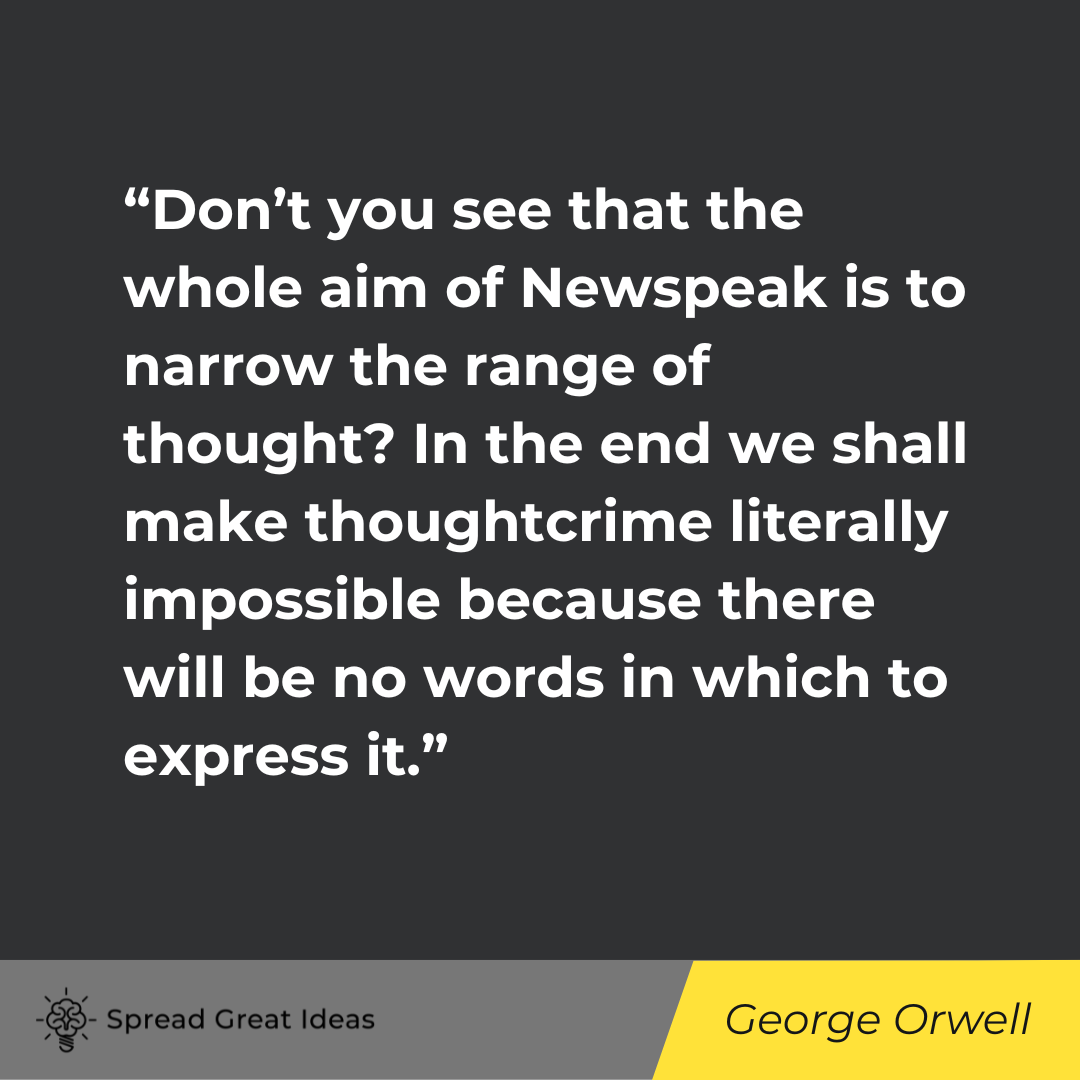
“Don’t you see that the whole aim of Newspeak is to narrow the range of thought? In the end we shall make thoughtcrime literally impossible because there will be no words in which to express it.”
– Winston Churchill, Attribution contested
“All truth passes through three stages. First, it is ridiculed. Second, it is violently opposed. Third, it is accepted as being self-evident.”
– Arthur Schopenhauer, Attribution contested

“The vulgar crowd always is taken by appearances, and the world consists chiefly of the vulgar.”
– Niccolò Machiavelli, The Prince, Chapter XVIII
Truth Under Pressure: Thinking About Power
“It is dangerous to be right when the government is wrong.”
– Voltaire, Attribution contested
“It is unpatriotic not to tell the truth, whether about the president or anyone else.”
- Theodore Roosevelt, Editorial in the Kansas City Star, May 7, 1918
“The welfare of the people in particular has always been the alibi of tyrants.”
– Albert Camus, The Rebel (1951)
“The first step in the evolution of ethics is a sense of solidarity with other human beings.”
– Albert Schweitzer, Attribution unverified

“False opinions are like false money, struck first of all by guilty men and thereafter circulated by honest people who perpetuate the crime without knowing what they are doing.”
– Joseph de Maistre
“Do not trust governments more than governments trust their own people.”
– Andrei Sakharov, Memoirs (1990)
Recognizing Propaganda and Manufactured Consent
“The propagandist’s purpose is to make one set of people forget that certain other sets of people are human.”
– Aldous Huxley
“Everyone is in favor of free speech. Hardly a day passes without its being extolled, but some people’s idea of it is that they are free to say what they like, but if anyone else says anything back, that is an outrage.”
– Winston Churchill
“The smart way to keep people passive and obedient is to strictly limit the spectrum of acceptable opinion, but allow very lively debate within that spectrum.”
- Noam Chomsky, The Common Good (1998)
“Liberals claim to want to give a hearing to other views, but then are shocked and offended to discover that there are other views.”
- William F. Buckley Jr., William F. Buckley
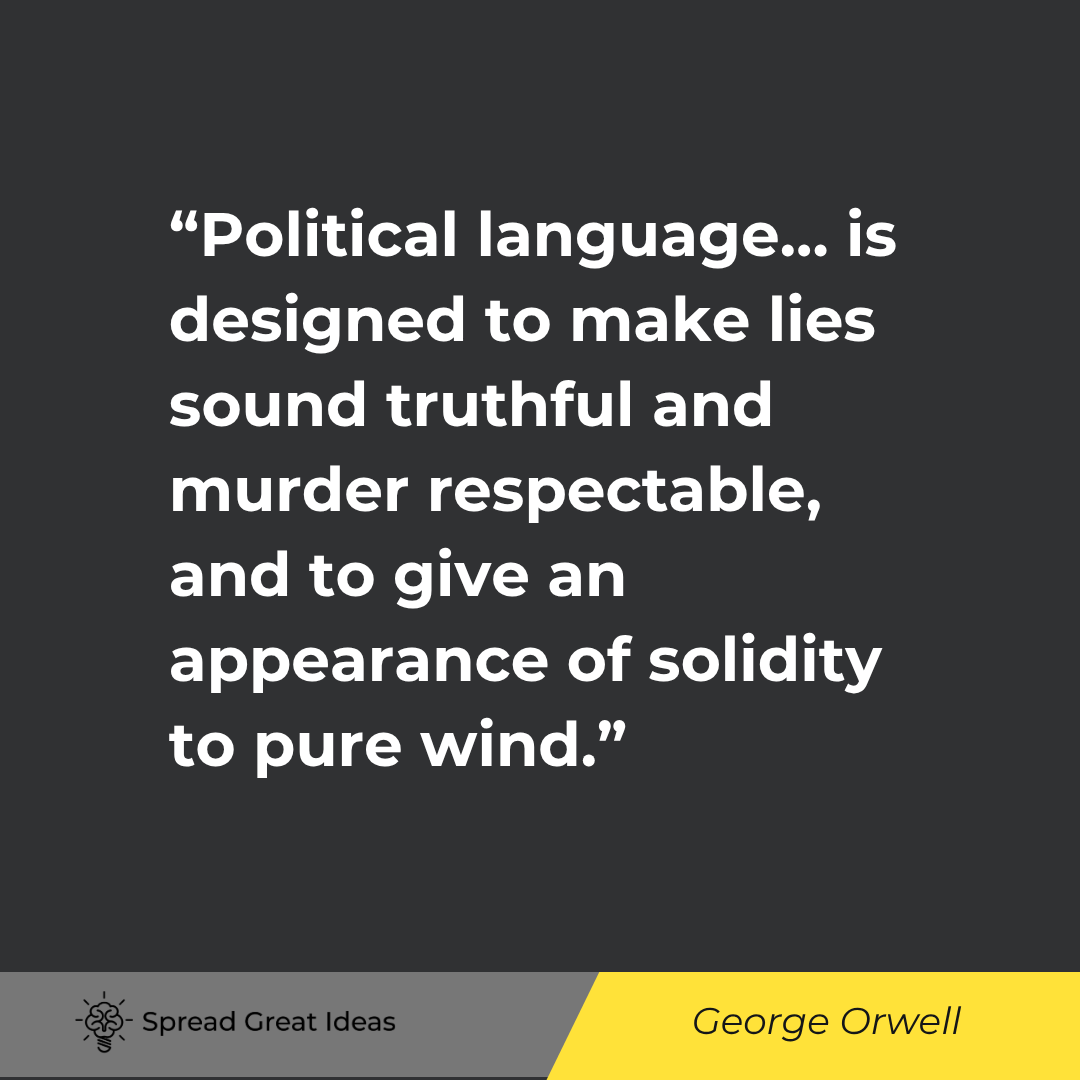
“Political language… is designed to make lies sound truthful and murder respectable, and to give an appearance of solidity to pure wind.”
– George Orwell, Politics and the English Language
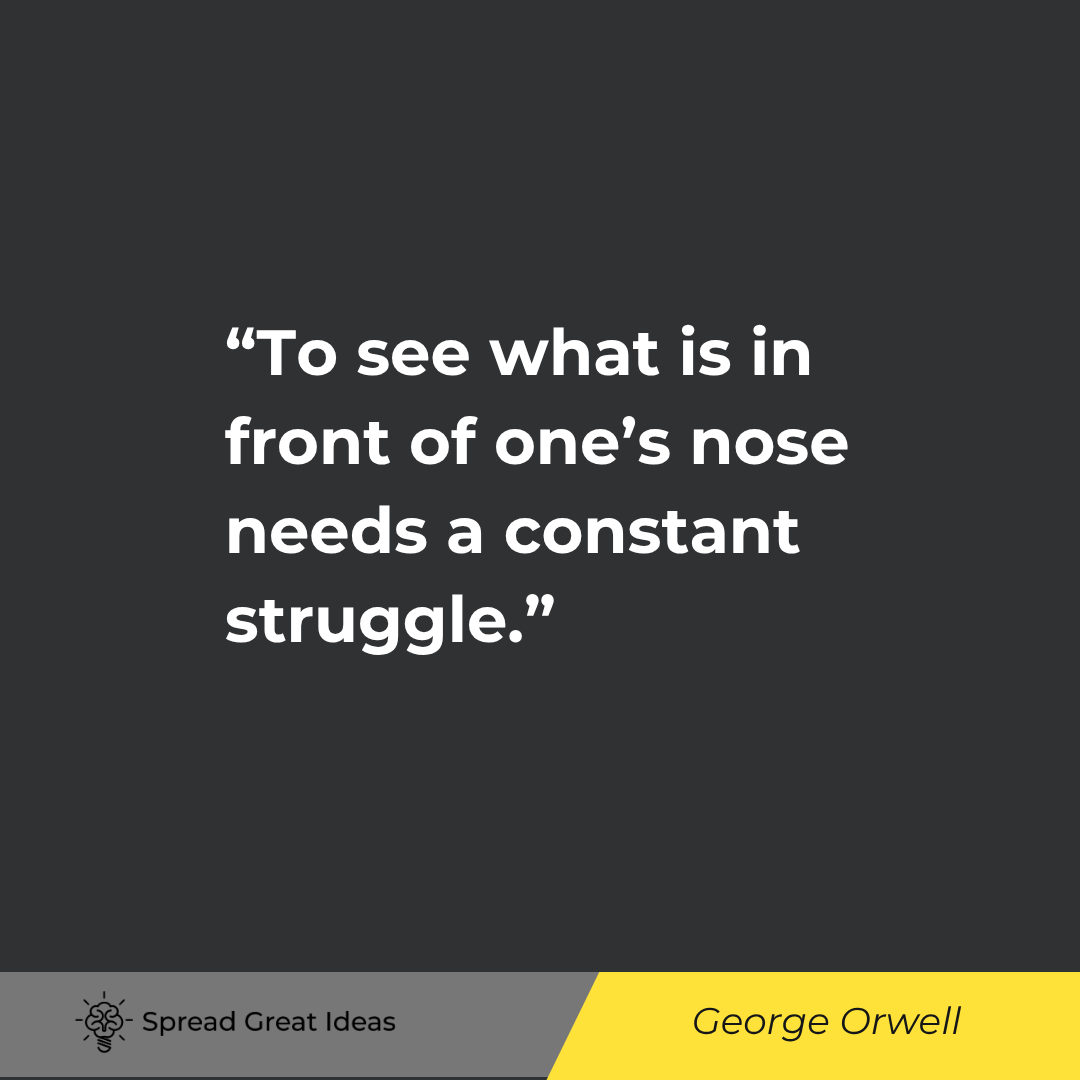
“To see what is in front of one’s nose needs a constant struggle.
One thing that helps toward it is to keep a diary, or, at any rate, to keep some kind of record of one’s opinions about important events.
Otherwise, when some particularly absurd belief is exploded by events, one may simply forget that one ever held it.”
– George Orwell, In Front of Your Nose
Final Thoughts
Three short reads anchor the practice. Orwell’s Politics and the English Language (1946, free online) is the founding modern text on how political language works to obscure rather than clarify – and what to do about it. Manufacturing Consent by Herman and Chomsky (1988) is the longer case for how the modern media environment systematically narrows the range of acceptable opinion. And Thomas Sowell’s Intellectuals and Society (2009) is the cleanest critique of how credentialed thinkers reach catastrophic conclusions when they stop being held accountable for them.
What holds these quotes together is not a political program. It is a prior condition – the insistence that the citizen who cannot evaluate the information being handed to him is not really a citizen at all, but a subject waiting to be managed. The difference between propaganda and honest argument is not always obvious in the moment. It becomes obvious in retrospect, usually after the damage is done. The writers on this page – Churchill, Voltaire, Schopenhauer, and the others – were not optimists about human nature. They were realists about what happens when institutions, which are built by human beings with interests, are trusted to police their own honesty. They are not up to it. They never have been. That is not cynicism. That is the historical record.
If you want one more text to carry out of here, the one worth your time is Extraordinary Popular Delusions and the Madness of Crowds by Charles Mackay. Written in 1841, it has nothing to say about television or social media, and it does not need to. Mackay’s subject is the mechanism itself – the way large numbers of people adopt a belief not because they have examined it but because everyone around them already holds it, and the social cost of dissent is too high. Read it. Then read the quotes above again.