
 BY
BY Table of Contents
It wasn’t until we crossed into Belarus that anyone in the car spoke. It could have been 1986, not 2026, in terms of how Soviet it all felt.
Here’s the scene: Four strangers in a Volvo SUV, who had been in the car together for the better part of 4 hours, driving from Warsaw across southern Poland towards the Belarusian border.
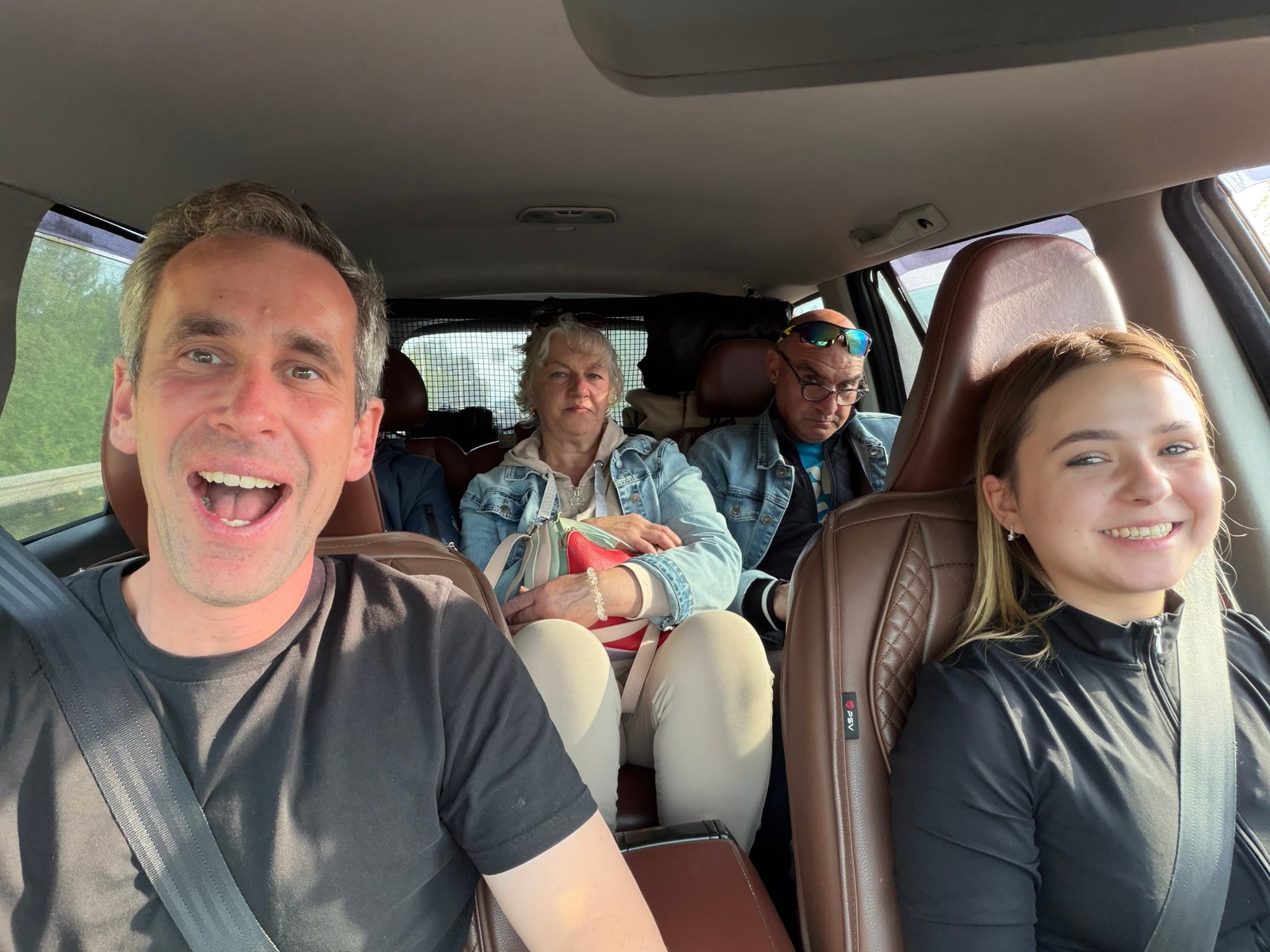
A Belarusian husband and wife in the back. A Belarusian driver with limited English. Another Belarusian woman whose grandmother had kids on the Polish side.
And me. The only Westerner, on a U.S. passport, going to see the local Belarusian team at a software company I have a stake in.
The Polish side of the border has a beautiful new highway, likely built with German money if not German engineering.
It runs all the way to the crossing. You can tell what it was built for. Trade. Easy movement of people and goods. An E.U. that assumed Belarus would, at some point, become a normal neighbor.
That assumption is delayed, perhaps indefinitely.
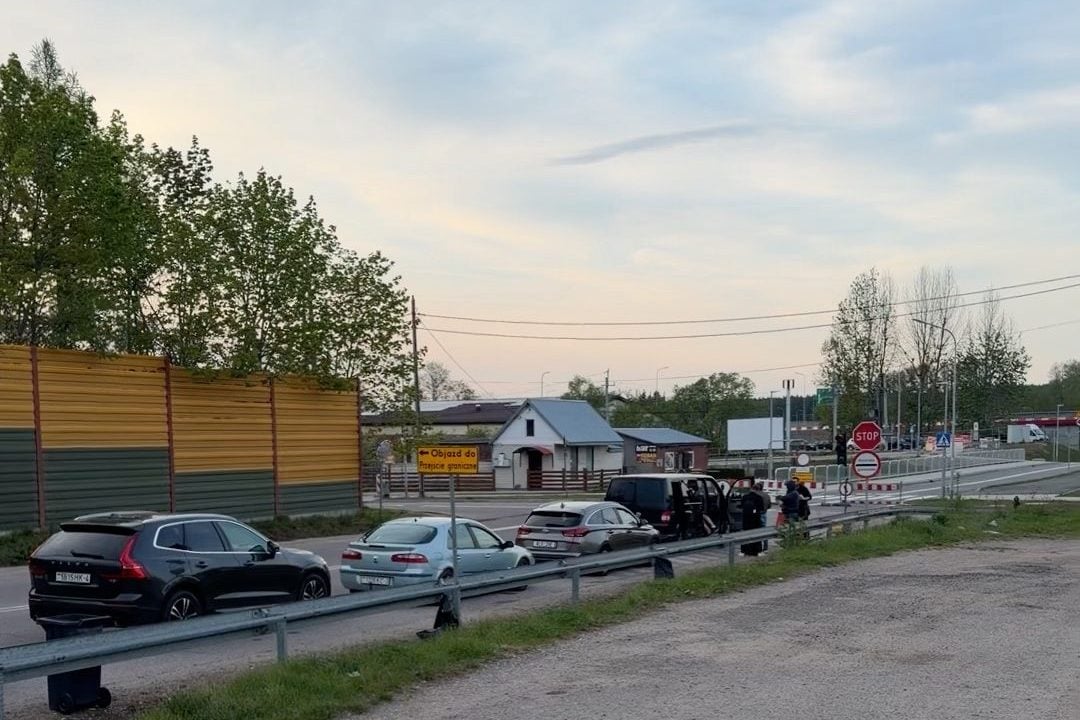
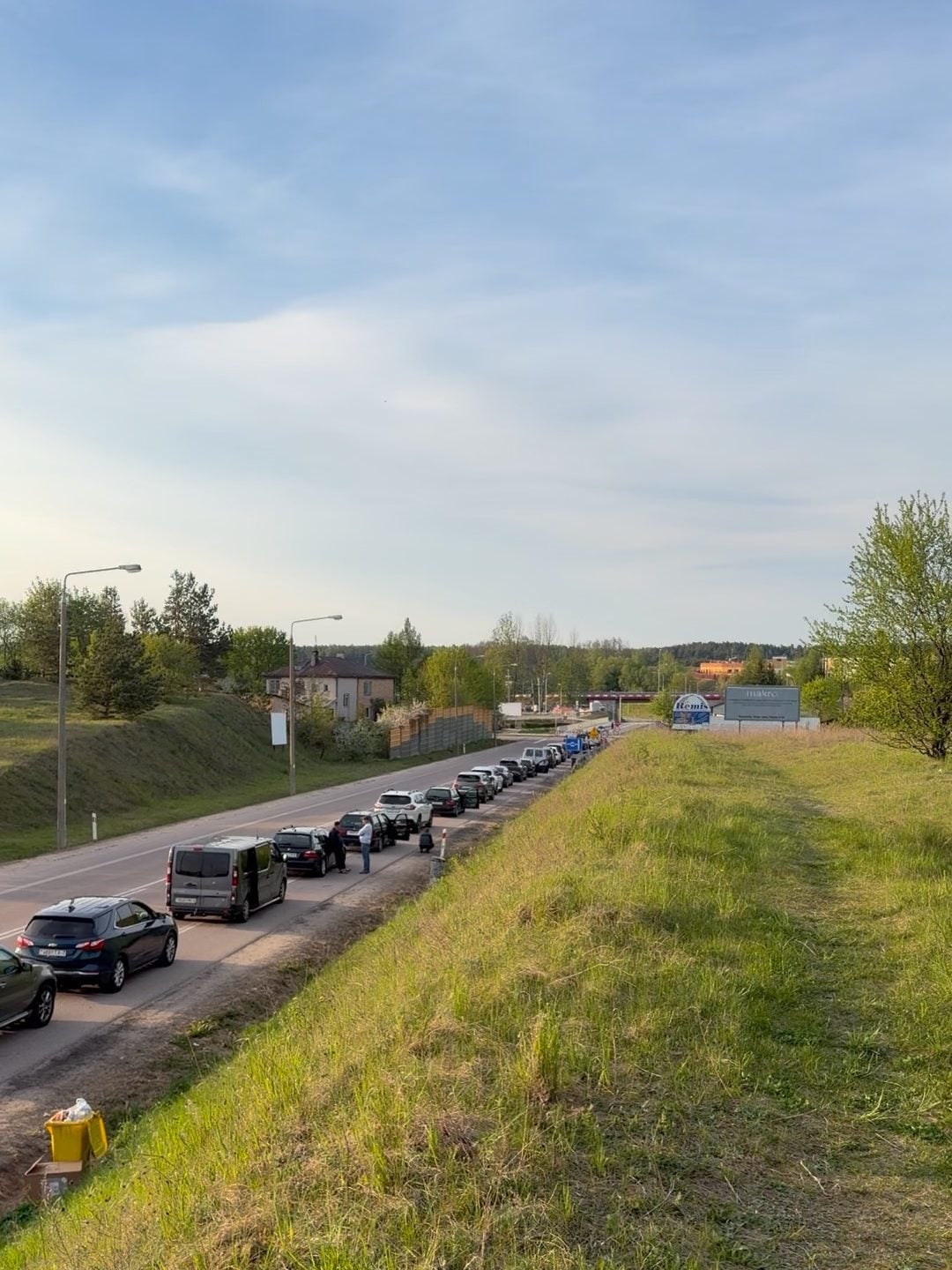
Now you exit the highway and park along a side road in a small village. You wait. You don’t know for how long.
Guys are smoking, standing around in track suits. Everyone has a Belarusian plate. Nobody is talking to anyone they don’t already know.
An enterprising Polish woman has set up a kebab shop to feed the queue because everyone gets hungry and nobody crossing, especially those doing so on Belarusian plates, really knows how long you’ll wait at this border anymore.
Four Hours at the Crossing
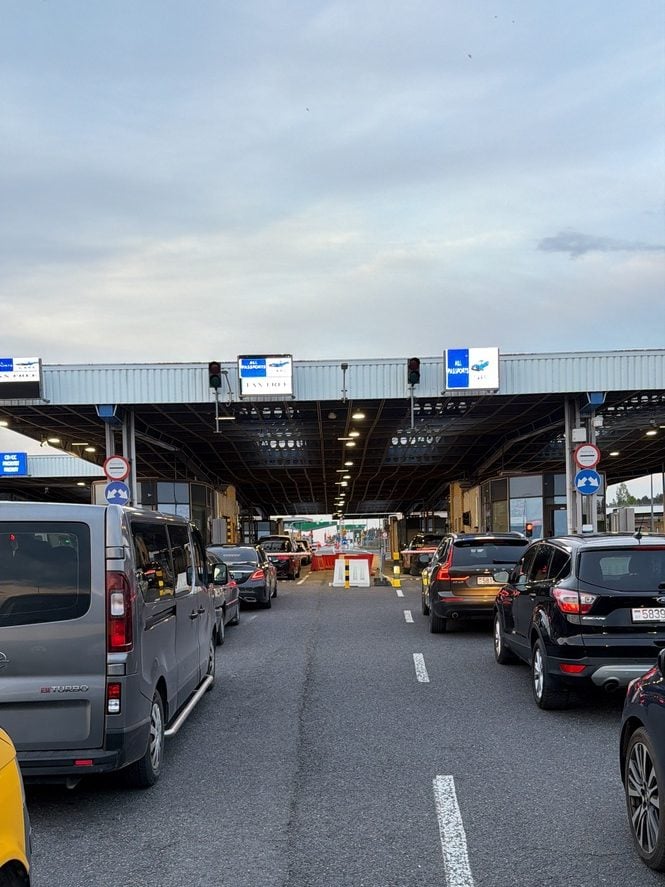
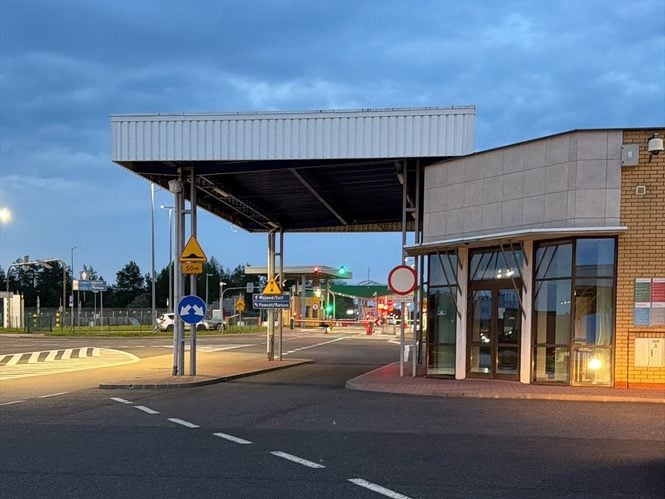
The Polish checkpoint was brisk. Passport, what are you taking across, fine, move along.
Then you cross the no-man’s-land and you feel that you’ve truly left the E.U.
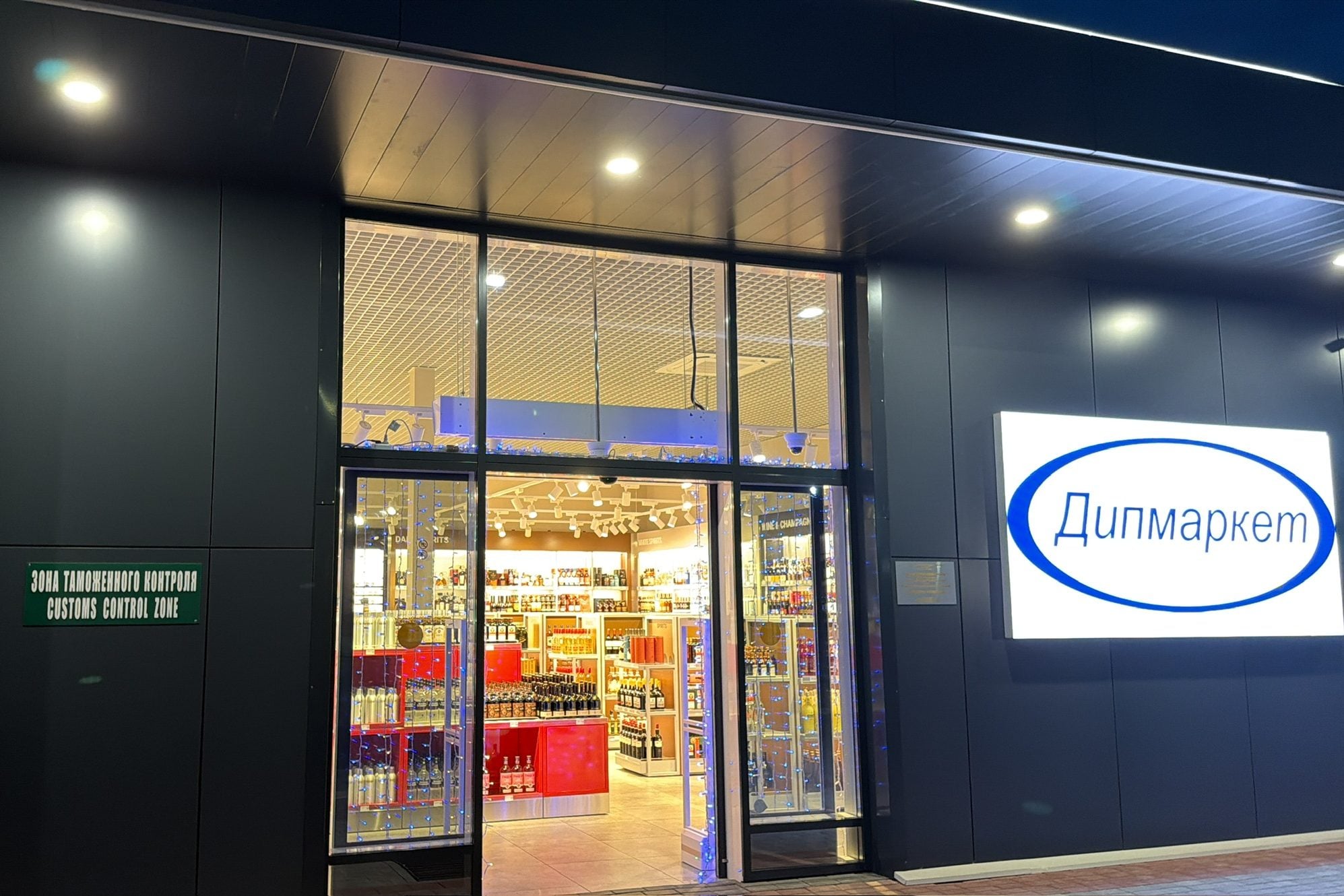
A woman with a Kalashnikov. A state-run duty-free that is the only freestanding building in the parking lot. High-end sunglasses, chocolates, alcohol, designer brands.
If anyone gets to sell you something here, it is Lukashenko’s state apparatus.
Then customs.
Because I was traveling on a U.S. passport, and because my host had been detained during the 2020 protests against Lukashenko, I was treated with what I can politely be called extra special care.
The border guard examined my passport with what looked like a jeweler’s loupe. She inspected the visa paperwork I had pre-filed through the Belarusian embassy in Washington. Proof of funds. Health insurance. Hotel receipt. The whole packet, all in good order.
She turned it under a blue light. She made phone calls. Maybe ten of them, in Russian, possibly to ten different people, possibly to the same person ten times. I couldn’t tell. No smiles, ever.
Eventually they walked me over to a different building. The man inside asked for my phone. He told me to turn it off. Then back on. Then to enter the passcode and hand it over unlocked.
He scrolled through my contacts. He paged through WhatsApp. He asked who I was coming to see, and I named the nine team members in-country. My pronunciation of their Slavic names is bad, and I was nervous.
He called my host, Roman, and told him in Russian what I learned later: This guy is your responsibility. If something happens to him, we are looking for you.
Roman agreed.
Then they wanted the IMEI. That is the unique hardware identifier on my phone. With it, the state can track which cell tower I’m on, anywhere in Belarus, for the duration of my stay.
(This is on top of the internet censorship that already routes all Belarusian traffic through state filters.)
The guy keyed in a few commands, pulled the identifier, and handed the phone back.
The Biometric Room
I thought I was done. We had been there three hours.
Then the female border guard who started my document check came back and motioned for me to come with her. I followed her into a back room with bright fluorescent lights, a couple of biometric devices, and no one else inside.
Fingerprints, both hands, on a glass screen. Palm prints, both hands. Photos. An attempt at a retina scan. Everything in Russian.
Nobody explained any of it. They just pointed – do this, do this, and now do this.
By the time I walked out I had handed over more personally identifiable information (PII) than I have ever given anyone in my life. Without forethought on my part. Without explanation from them.
I was surprised, and disappointed, with myself for not resisting.
Total time at the crossing: Four hours. Then they searched the car.
The Silence in the Car
Here is the thing I kept coming back to.
On the Polish side and in the no-man’s-land between the checkpoints, no one in our Volvo said a word that wasn’t strictly necessary.
The husband and wife in the back didn’t speak. The driver didn’t volunteer anything. The other woman kept her eyes forward.
None of them knew the others well enough to know whose sympathies lay where, so better to just not speak.
The minute we cleared the Belarusian checkpoint and pulled onto the road, the car came alive. People started talking in Russian. They told stories. Phones came out with photos of their families. The energy in the cabin changed completely.
They weren’t relaxing because they were safe.
They were relaxing because they were back inside a surveillance regime they knew how to live inside. The threat hadn’t disappeared. It had just become familiar.
Living Within the Lie
So how does someone like Lukashenko stay in power? It’s complicated…and yet it boils down a few uncomfortable facts:
a. Belarus is on the edge of what is considered Europe and thus is not really anyone’s problem, per se.
b. Lukashenko has been in power so long following the collapse of the USSR that it’s hard to dislodge him, peacefully or otherwise.
The system trains everyone to police themselves and each other so that the state rarely has to step in.
Vaclav Havel called it living within the lie. The greengrocer hangs the regime’s slogan in his window not because he believes it, but because not hanging it up is the dangerous act.
He does so because these things must be done if one is to get along in life.
Years before this crossing, I had Andrei Ivanou on the SGI podcast. January 2020, a few months before the protests that summer. He described daily life under the regime in one line: Everything is okay, but nothing is changing.
Four strangers in a car going quiet at a border crossing is the same mechanism, scaled to a Volvo SUV.
The 2020 protests were the largest crack in that system in thirty years. The regime’s response (mass detentions, forced exile, a sixty-hour blackout of the country’s internet, the kind of treatment my host got) was designed to restore exactly the silence I rode through – and keep the West out of internal Belarusian affairs.
The biometrics at the border are the technological upgrade on the same logic. Make the cost of any future dissent legible and personal before it is ever contemplated.
Only I Can Keep You Out of a War
That’s only half the story. Lukashenko himself tells a different one.
The story is simple. If I go, Belarus gets swallowed in a war.
The war could be with the E.U. It could be with Russia. The Belarusian doesn’t need to know which. Only that a war is coming, and that only Lukashenko is skilled enough to keep him out of it.
The uncomfortable part of that story is that he isn’t entirely lying. He IS good at it.
He plays the E.U. and Russia against each other and gets paid by both.
Smaller versions of the same play run constantly. Right now, hundreds of weather balloons drift each month from Belarus into Lithuanian and Polish airspace, each carrying about forty kilograms of cigarettes. Lithuanian border guards estimate balloons account for 80 percent of all cross-border cigarette smuggling. They have closed Vilnius airport for more than sixty hours of cumulative shutdown and triggered a national state of emergency last December. Lithuanian officials suspect the regime tolerates the launches on purpose. Cheap to him. Expensive to them.
The most consequential version is the political prisoners. Hold a few hundred dissidents. Release them, one by one, in exchange for sanctions being dropped, one by one.
This is hostage diplomacy as foreign policy. And it works.
Most leaders never learn that game. Lukashenko mastered it.
The System Has Done Its Work
So how does he stay in power?
Two ways, woven together.
Below him, a population trained to keep its own mouth shut by coercive if not overt threats.
Above him and beside him, two great powers he plays against each other for personal and national leverage.
Belarus is a borderland on the edge of the E.U. The empty highway on the Polish side is a monument to a future that has been canceled, at least for now.
The IMEI in my phone is a monument to a different one, going forward.
It will be hard to get Lukashenko out. The system has done its work, and so has he.