
 BY
BY Table of Contents
After spending upwards of a year on the ground here in South Africa and having read quite a bit of the history on the place (it’s a never-ending wormhole, let me tell you) I’ve come to believe that the following quote from Rian Malan, the Afrikaner journalist who has spent a lifetime trying to write honestly about his country, captures the central problem here better than anything else I’ve come across (from My Traitor’s Heart):
“There’s no such thing as a true story here. The facts may be correct, but the truth they embody is always a lie to someone else. Every inch of our soil is contested, every word in our histories likewise; our languages are mutually incomprehensible, our philosophies irreconcilable.”
That’s the trap this essay is walking into.
Write about South Africa and you will be accused of racism, colonialism, nostalgia for apartheid, or naivety about what apartheid actually was.
Raise the governance record of the ANC and you’re defending the old order.
Cite the numbers and you’re cherry-picking.
Question the narrative and you’re the problem, especially as a straight, white Western male.
So let me say it plainly at the start: apartheid was an unjust system.
Its architects knew it.
Its victims paid a real price.
(If you need me to say that before you’ll read the rest, there it is. Now please read the rest.)
What follows is not a defense of apartheid.
It is an argument about what came after, and a case that the story the Western press and Western intelligentsia tells about South Africa is, at best, dangerously incomplete, and at worst, a myth that has insulated one of the most corrupt governing parties in the post-Cold War era from the accountability it has long deserved.
F.W. de Klerk Didn’t Have To Do Any Of This
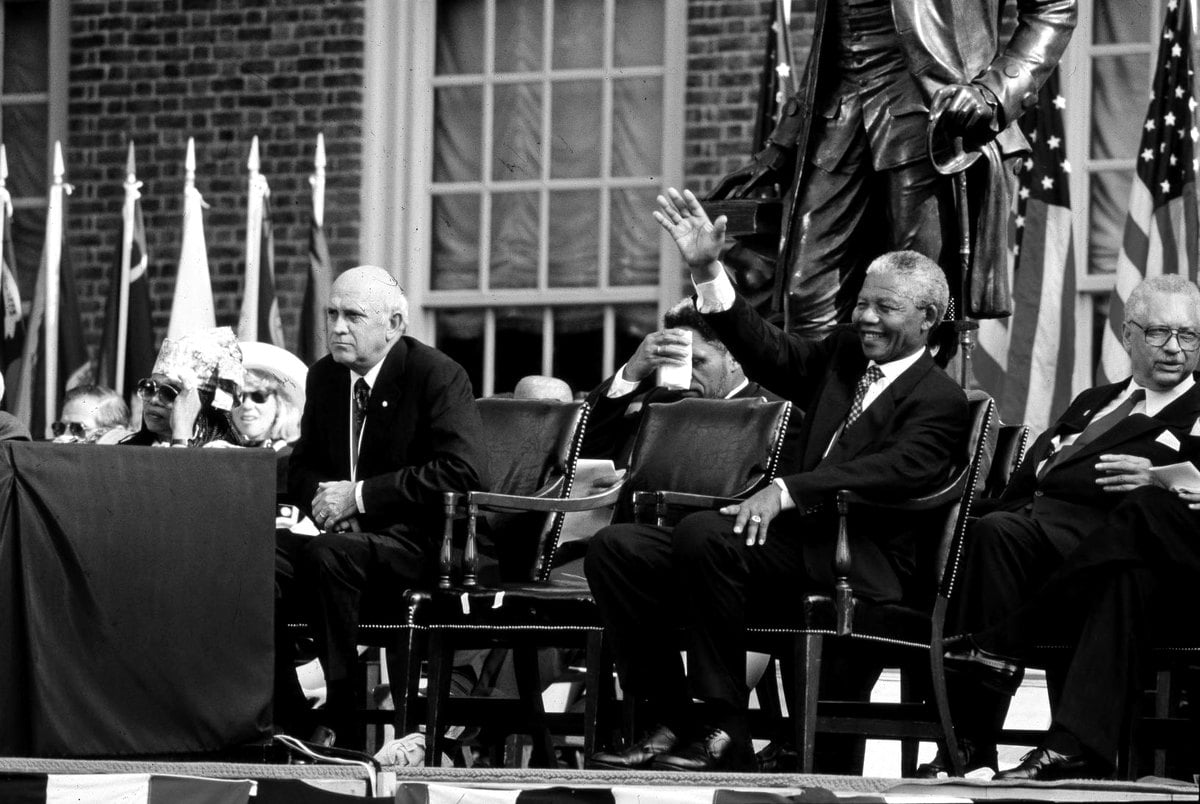
The last leader under apartheid was named F.W. de Klerk. He shared the Nobel Peace Prize with Nelson Mandela, and the reason why is worth understanding.
F.W. de Klerk became president in September 1989, two months before the Berlin Wall fell. He could have played it safe. Run out the clock. Let his successor deal with the mounting pressure. Instead, he stood before parliament in February 1990 and announced the unbanning of the ANC, the release of Nelson Mandela, and the beginning of the end of apartheid.
Then he did something even more striking: he put it to a vote.
(And guess who the only people were who could then vote? White South Africans.)
So in March 1992, white South Africa went to the polls in a whites-only referendum with one simple question, should the reform process continue? The result was 68.7% yes. Not a squeaker. A mandate, from the very people the world had spent decades portraying as the irredeemable obstacle to change.
(Let that number sit for a second. Nearly seven in ten white South Africans voted to end the system that privileged them. Name another ruling class in history that did that voluntarily.)
The timing is important. De Klerk came to power watching the Soviet empire dissolve in real time. The ANC had deep ties to the South African Communist Party. This wasn’t anti-communist paranoia, it was documented fact.
Under Reagan, U.S. policy was “constructive engagement” with Pretoria precisely because South Africa was seen as a bulwark against Soviet expansion in southern Africa. Cuban troops were fighting in Angola. The ANC operated from Moscow-aligned exile.
When the Soviet Union collapsed, that strategic rationale for Western support of the apartheid regime evaporated. De Klerk read those geopolitics correctly and understood that the window for a negotiated transition, rather than a violent one, was open, and possibly briefly.
Malan, writing against the prevailing hagiography, was blunt: “De Klerk was arguably the chief architect of South Africa’s miracle of 1994.” That assessment runs counter to the story most readers absorbed through Western media, where the ANC was, as Malan put it, invariably depicted as “an army of hymn-singing Uncle Toms, initially led by English-speaking clerics who just wanted a smidgeon of justice and dignity,” and de Klerk as a reluctant villain dragged into decency.
(Visitors to South Africa typically go to Robben Island, where Mandela was held, and leave with that narrative intact.)
It is worth noting, too, that de Klerk was not starting from nothing. His predecessor P.W. Botha had been quietly dismantling apartheid’s economic architecture for years before him. The racial wage gap for comparable jobs, which had been roughly 90% in the early 1970s, narrowed to around 14% by the early 1990s, according to the IMF. The colour bar in employment was loosened, black trade unions were legalized, and the share of national income going to black South Africans rose steadily. The transition the world celebrated in 1994 was the culmination of a decade-long process, not a single dramatic rupture. And it was the apartheid government and white South Africans who enabled it.
By the time Nelson Mandela walked into the Union Buildings on May 10, 1994, every apartheid law had already been stripped from the books. The Nobel Peace Prize they shared in 1993 went to both men because both men had made it happen. De Klerk and Mandela. Together.
What the ANC received in 1994 was not a broken country limping out of siege. It was functioning first-world infrastructure, a legal system, a financial sector, and, thanks to the Fukuyama moment, the fall of the Wall, the global euphoria of liberal democracy’s supposed triumph, more international goodwill than almost any new government had ever inherited.
The whole world was cheering, investing, watching, hoping. The rainbow nation was a South African aspiration and a global one at the same time.
But de Klerk made one critical mistake, possibly the critical mistake. And the timeline matters.
The Berlin Wall fell on November 9, 1989. De Klerk had been president for two months. His speech to parliament, unbanning the ANC, announcing Mandela’s release, beginning the end of apartheid, came on February 2, 1990. That’s a gap of 85 days.
In those 85 days, de Klerk had something no South African leader would ever have again: full state control, no negotiating counterparty, and a global ideological moment that was moving decisively toward privatization. The Soviet Union was collapsing. The ANC’s patron state was dying. Thatcher had been privatizing British state enterprises for a decade. The entire Eastern Bloc was about to do the same. The word of the hour, worldwide, was privatize.
De Klerk read the geopolitics of the Wall correctly on the political question. He understood the window for a negotiated transition was open and might not stay open. But he didn’t read them on the economic question. He could have spent those months, and the months that followed, while he still held the levers, privatizing at speed. Sell Eskom to private operators. Break up Transnet. Distribute mineral rights. Push power to the provinces. Decentralize the state apparatus as far as it would go.
Instead, he gave the speech first. The moment he did, the clock started. The ANC had leverage. Any subsequent privatization would look like the outgoing regime stripping assets before the handover, and the ANC would have used exactly that framing to blow up the negotiations.
He handed over the state intact. Eskom, Transnet, the ports, the mines under state mineral rights, the telecommunications monopoly, all of it transferred as functioning state-owned enterprises into the hands of a party whose ideological DNA was Marxist-Leninist and whose alliance partner was literally the South African Communist Party.
I put this to Schalk Dormehl, a South African I had on my podcast. His counterargument was practical: even if de Klerk had privatized those assets before the transition, the ANC could have simply nationalized them again afterward. They had the mandate. They had the numbers. Privatization was reversible.
He’s not wrong in theory. But reversing a privatization is politically and legally harder than inheriting a state enterprise and staffing it with your people. Nationalization requires legislation, compensation disputes, court challenges, international investor backlash. It’s messy, expensive, and visible. Inheriting Eskom required nothing. You just walked in and started appointing comrades.
De Klerk negotiated the political transition brilliantly. But he left the economic architecture of centralized state power sitting there like a loaded gun on the table. The ANC picked it up.
(Everything that follows in this essay, the looting of Eskom, the mining charter revisions, the port dysfunction, the BEE extortion, flows from that single structural fact: the new government inherited an enormous, centralized state apparatus with nobody between them and the till. The window to disperse it was 85 days wide, and it closed the moment de Klerk stepped to the podium.)
Meanwhile, in Tallinn
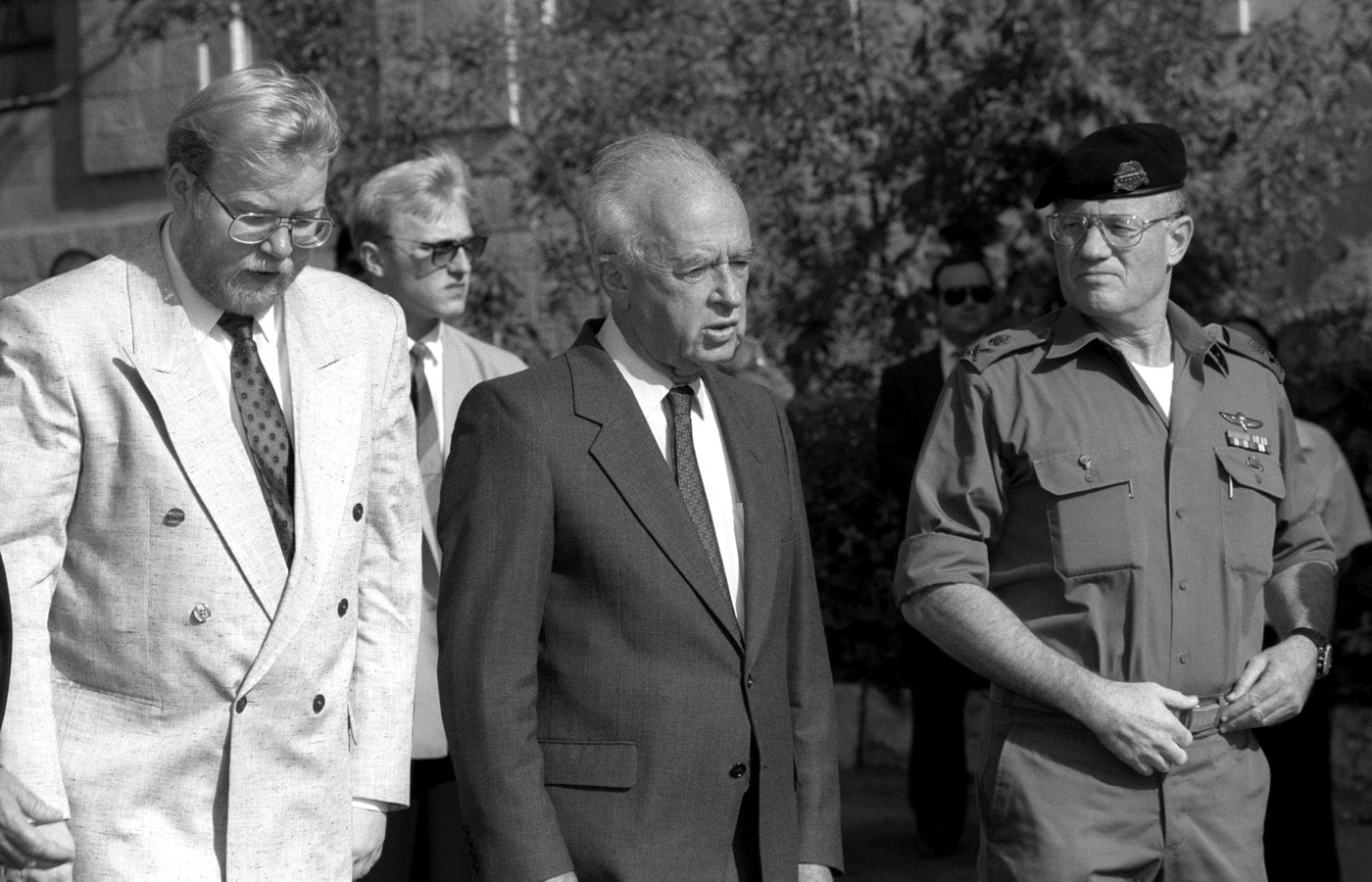
In 1992, a 32-year-old Estonian historian named Mart Laar became Prime Minister of a country that had spent 45 years under Soviet occupation. There was no private sector. No capital markets. No experience with property ownership or entrepreneurship of any kind.
The economy had been gutted. The institutions were captured and hollowed out. Whatever infrastructure existed was Soviet-era and deteriorating.
Laar had read exactly one book on economics: Milton Friedman’s Free to Choose. He assumed, reasonably enough, that this was how the West already operated. So he just did it. Flat tax of 26%, applied to everyone. Rapid privatization of state enterprises. Open trade. Balanced budget. All of it, implemented at once, by a historian in his early thirties who genuinely didn’t know you weren’t supposed to do it all at once.
When Western economists came to Tallinn to see what he’d done, they were reportedly stunned. This wasn’t how reform was supposed to work. You were supposed to be gradual. Consensus-building. Politically careful. Laar had simply read the book and done it.
(When he was later told that no serious economist believed you could implement all of Friedman’s ideas at once, he reportedly said: “I didn’t know that.”)
Estonia today has a GDP per capita of around $30,000. It joined the eurozone. It now has higher income per capita than Portugal, a country with centuries of developed economic history. Laar won the Cato Institute’s Milton Friedman Prize for Advancing Liberty in 2006 for what he’d built.
The lesson is not that Laar was a genius. The lesson is that he was naive enough to implement what the textbook actually says works, without the consulting class of political operators around him to explain all the reasons why it couldn’t be done, or couldn’t be done quickly.
Rian Malan, arriving at the same destination from the opposite direction, a self-described socialist who spent years in exile in America, wrote in The Lion Sleeps Tonight: “I came to see a certain tawdry glory in American democracy, and a clean and pleasing logic in the workings of free markets.” An Afrikaner exile and a young Estonian historian, decades apart, reading different books, arriving at the same conclusion.
The Benchmark Nobody Wants To Use
Estonia is not a fluke. It is a pattern, repeated across the post-Cold War world with remarkable consistency, and it tells you a lot about how South Africa has fared.
In 1994, South Africa’s GDP per capita was roughly $3,400. Poland’s was $3,200. Estonia’s was $3,000. Lithuania was at $2,000.
The latter three were countries emerging from roughly four decades of communism. Private property confiscated, markets destroyed, institutions hollowed out, human capital suppressed by design. They were behind South Africa by any reasonable measure of starting conditions. They were starting from rubble.
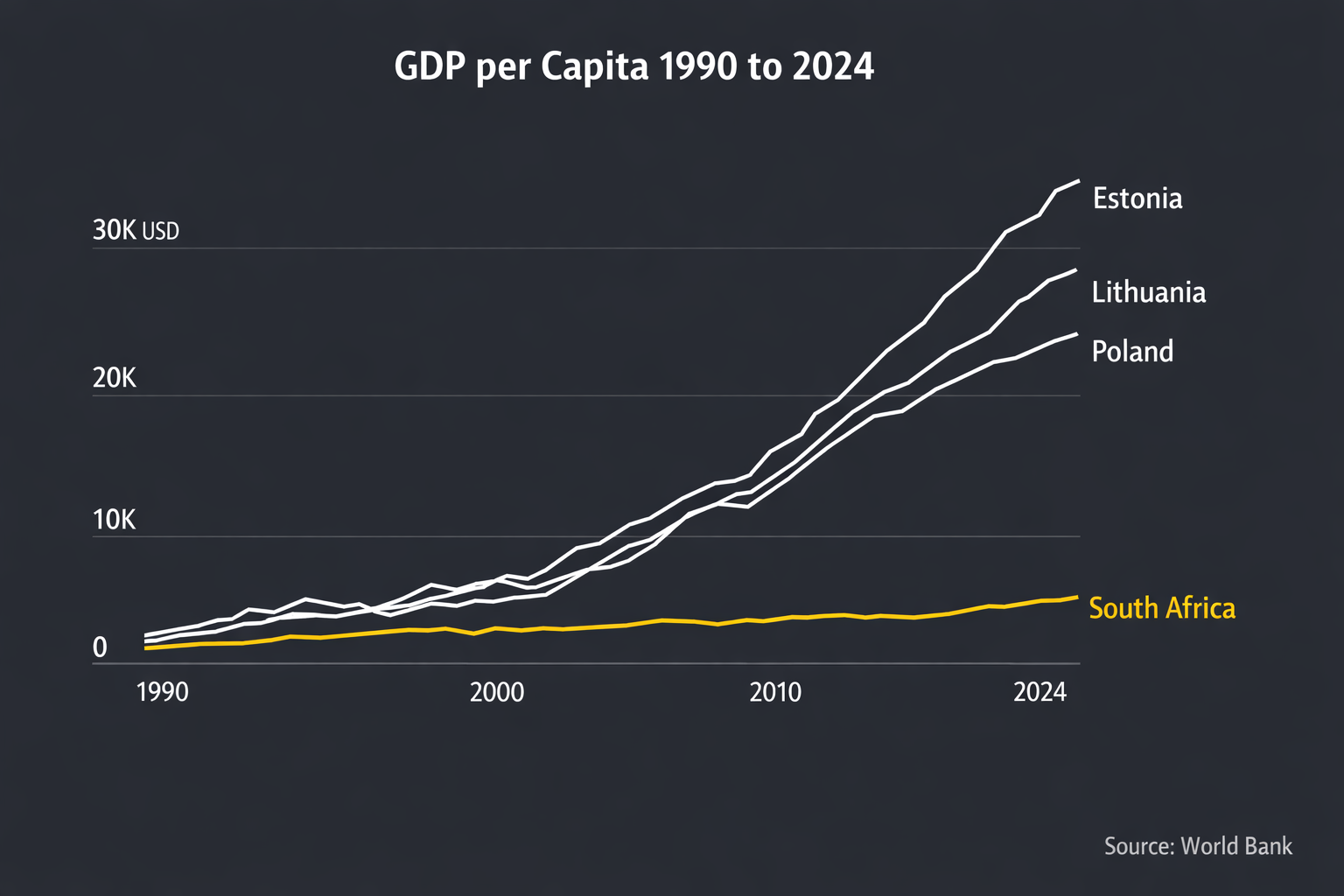
Today: Poland is over $21,000. Estonia is $30,000. Lithuania is $26,000. South Africa is around $6,200.
South Africa started ahead of Poland in 1994 and is now a third of Poland’s income level thirty years later.
To put the scale of this in perspective: Poland has roughly two-thirds the population of France, but in 1994 its GDP was just 20% of France’s. While Western Europe was rebuilt after World War II with American dollars, Eastern Europe languished behind the Iron Curtain. Poland started from rubble. It is now one of the most economically dynamic countries in Europe.
That gap is not apartheid. Apartheid ended in 1994. Poland didn’t have apartheid. Poland had something far worse in terms of raw material: Soviet communism, Nazi occupation before that, and centuries of domination by foreign powers before that.
And yet, once it finally got sovereignty, it built an economy that lifted the broad population, and not only a connected elite.
The same experiment has been run across the world, in different cultures, different geographies, with different histories, and the results are consistent enough to be treated as something close to a law.
Chile’s “Chicago Boys,” economists trained under Milton Friedman at the University of Chicago, implemented sweeping free market reforms after 1973 under Augusto Pinochet, a military dictator who seized power in a coup and killed or disappeared thousands of political opponents. That fact should not be elided. The reforms were implemented by a brutal regime, and the human cost of Pinochet’s rule was real.
But the economic results were also real. Privatization, open trade, fiscal discipline, secure property rights. Chile became the most prosperous country in Latin America. The uncomfortable truth, uncomfortable for both left and right, is that the policy worked regardless of the moral character of the regime that implemented it. Lee Kuan Yew’s Singapore, which this essay will return to, makes the same point: good institutional choices produce prosperity even when the regime making them is authoritarian. The question is always what the policy does to the people living under it, not whether the leader passes a Western liberal purity test.
Argentina went the other direction: Peronism, state intervention, repeated nationalizations, sovereign debt defaults, serial inflation crises. Same continent. Same era. Same language. Radically different institutional choices.
And the pattern repeats. In the early 2000s, South America’s “pink tide” swept in leaders who mixed populism and socialism, lauded the working class, regulated the economy, and maintained a heavy government presence in daily life. It lasted roughly ten years, which, not coincidentally, were years of high commodity prices. When commodities crashed around 2015, the pink tide receded and left the economic wreckage behind.
The income gap between Chile and Argentina today is not explained by geography or culture. It is explained by policy choices of those in power.
Here’s another one: Singapore was expelled from Malaysia in 1965. Lee Kuan Yew famously wept on television because he genuinely believed a tiny island with no natural resources, no hinterland, no army, and no water supply could not survive alone.
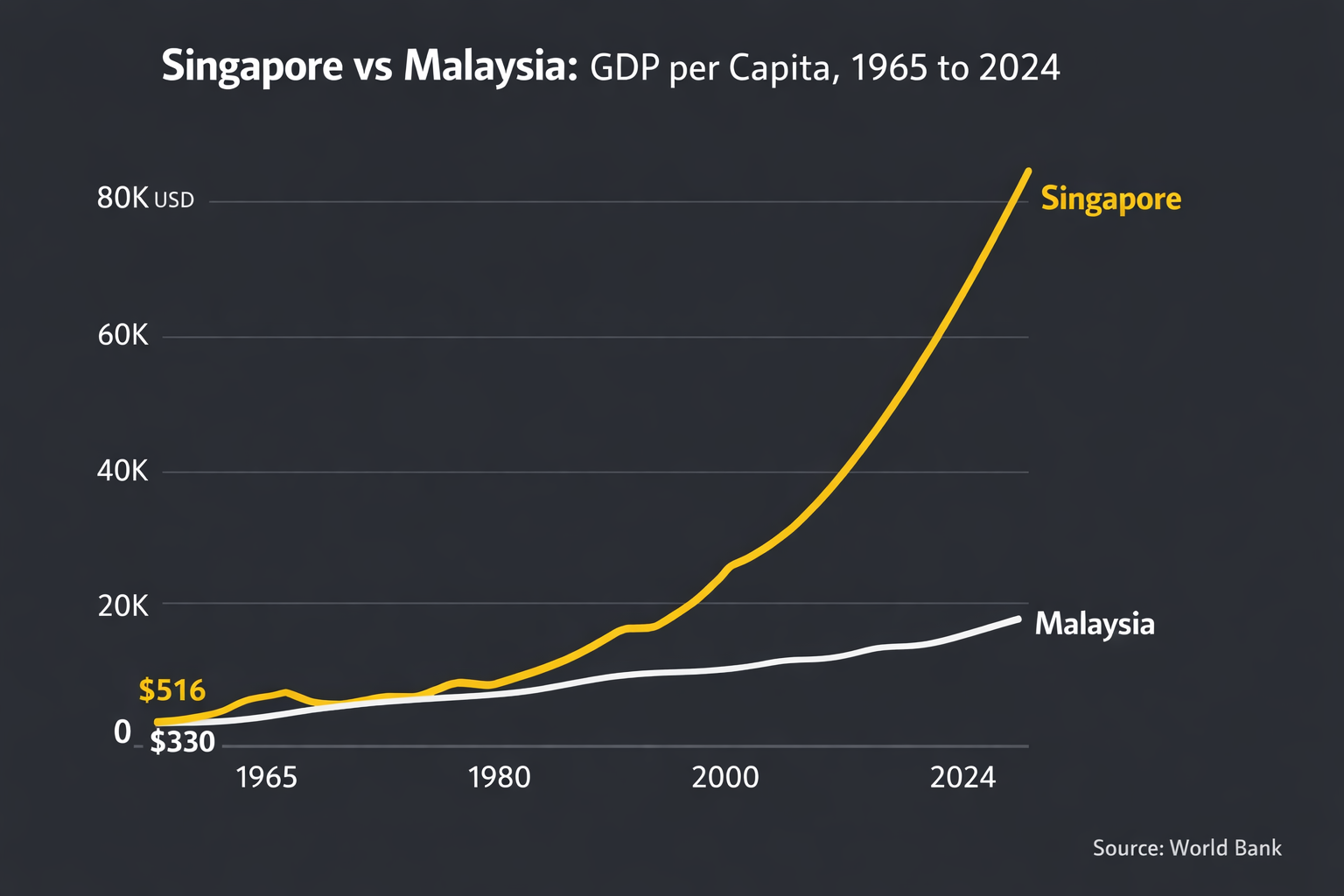
Malaysia had oil through Petronas, timber, palm oil, a vast agricultural hinterland, a much larger population. Singapore had a port, a British colonial common law legacy, and the institutional choices its leadership was about to make.
Today Singapore’s GDP per capita is around $65,000. Malaysia’s is $12,000. The country with nothing beat the country with everything because it chose rule of law, anti-corruption, property rights, and free trade over ethnic patronage politics.
And another one: Hong Kong under British common law built the free markets that Milton Friedman himself called the closest real-world implementation of his ideas.
When Deng Xiaoping began reforming China in 1978, the parts that grew fastest were the Special Economic Zones, and the SEZ that grew most spectacularly was Shenzhen, directly across the border from Hong Kong, explicitly modeled on Hong Kong. Shenzhen was a fishing village in 1979. They ran the Hong Kong experiment next door and got the Hong Kong result.
Since the National Security Law in 2020 began eroding “one country, two systems,” capital has been leaving Hong Kong in real time. A live demonstration, happening as you read this, that the erosion of institutional certainty produces exactly the capital flight the thesis predicts.
And then there is yet another comparison that makes all the others unnecessary: North and South Korea.
Same people. Same peninsula. Same language. Same culture. Same history, right up until 1953, when an arbitrary ceasefire line divided them at the 38th parallel. No colonial advantage on either side. No resource differential that explains the outcome. One side supported by the Communist bloc. The other by the West.
Nowadays, you can see the border from space at night: one side blazing with light, the other in almost total darkness. South Korea’s GDP per capita is around $35,000. North Korea’s is estimated below $2,000, and that number is probably generous.
The Peruvian economist Hernando de Soto spent his career documenting why this pattern holds. His core insight in The Mystery of Capital is precise: poor countries are not poor because they lack assets. They are poor because their assets lack formal recognition.
A family might build a house and live in it for twenty years, but without legal title they cannot use it as collateral, cannot leverage it the way a Western homeowner can. It is dead capital. An asset that exists but cannot function as capital because the legal and institutional infrastructure isn’t there to activate it.
South Africa holds some of the most valuable mineral deposits on earth. What it lacks is not the resources. It lacks the institutional infrastructure that turns a resource into capital, and that’s because of the ANC.
Franz Oppenheimer, the sociologist, reduced all of human economic history to a single choice: “There are two fundamentally opposed means whereby man is impelled to obtain the necessary means for satisfying his desires. These are work and robbery, one’s own labor and the forcible appropriation of the labor of others.” Every country, at every moment, is choosing which one to organize around. The ANC chose.
What the ANC Did With It
Black Economic Empowerment, BEE, was the ANC’s signature domestic policy. The theory felt good: after decades of exclusion, black South Africans needed structural support to access the economy. Hard to argue with the intent. Yet “the road to hell is paved with good intentions,” as we shall soon see.
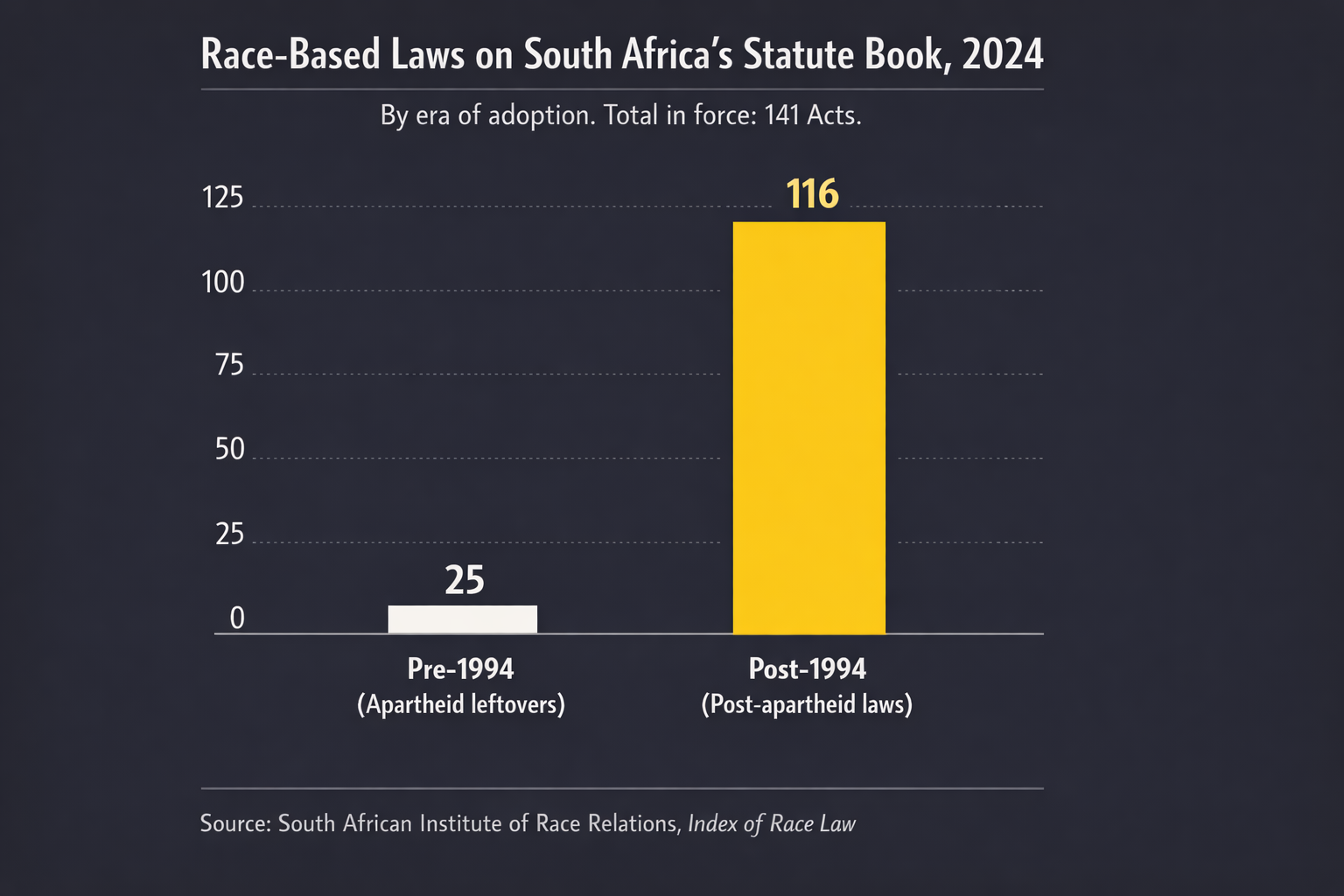
BEE required businesses to have black ownership above certain thresholds to access government contracts and operate in regulated industries. It is legalized, race-based coercion.
André de Ruyter, the former CEO of Eskom, pinpointed the mechanism precisely in Truth to Power. He cited Saliem Fakir, an academic and environmentalist, who distinguished between “political entrepreneurship and productive entrepreneurship. While the latter relies on innovation, skill and acumen to generate profit, the former relies on political connections to gain preferential access to government allocations of resources.” BEE, Fakir concluded, “is a race-based form of political entrepreneurship.”
What it produced, in significant part, was a class of politically connected individuals who accumulated wealth through proximity to the ANC power structure rather than through creating value. Not entrepreneurs. Not operators. Not builders. People who got rich because they knew the right people, ticked the right boxes, and had the right skin color.
South Africans coined a word for them: tenderpreneurs. (The fact that the country needed a word for this tells you how normalized it became.)
How normalized? Here is the working theory, captured on camera by a Western journalist filming in the country:
Corruption is not bad. Corruption is only bad if I’m not involved. But if I’m part of that corruption, I’ll defend it.
That is not the kind of statement that needs to be analyzed.
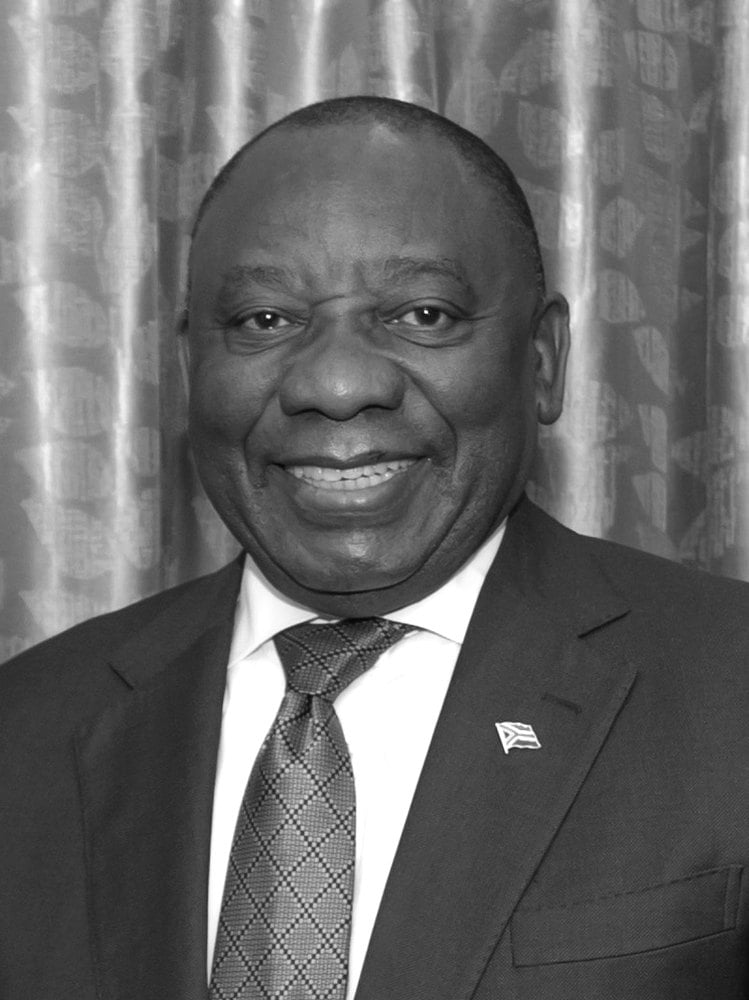
The career of Cyril Ramaphosa, now the President of South Africa, is one of the clearest illustrations of how this worked at the highest level.
Ramaphosa made his name as a lawyer and then as the founding Secretary-General of the National Union of Mineworkers in 1982. He represented the men who dug the gold and the platinum, the men who worked the deepest mines on earth in dangerous conditions for wages the mining houses set. He was their voice.
He was also, through the 1980s and into the transition period, the ANC’s chief constitutional negotiator. The man at the table across from de Klerk’s team, hammering out the terms of the new South Africa. He was part of Mandela’s inner circle.
According to Malan’s reporting, Ramaphosa’s conduct at that table was not always as principled as the official story suggests.
On May 15, 1992, the peace talks collapsed. The standard account attributes this to government intransigence. The insider account, documented by Malan among others, is that Ramaphosa deliberately engineered the breakdown, presenting de Klerk’s team with an ultimatum he knew would be refused because he calculated that street pressure, “rolling mass action” as he called it, would extract better terms than negotiation.
He was willing to risk the transition for tactical advantage. The transition happened anyway. But the portrait of the man behind closed doors when the stakes are highest is insightful.
When Ramaphosa was passed over for Deputy President in 1994, Thabo Mbeki, another member of Mandela’s inner circle, got it instead, he moved into “business,” i.e. legalized extortion. He founded Shanduka Group and used his ANC connections, along with the weight of the new BEE requirements, to acquire BEE stakes in McDonald’s South Africa, MTN, Standard Bank, Bidvest, and Lonmin, the platinum mining company.
Worth repeating: the current president of South Africa became one of the wealthiest individuals in South Africa by selling his political connections into the ANC to companies who now needed to adhere to BEE.
He never built an operating business. He never started a company. He never made a payroll from scratch or solved a supply chain problem or competed in a market on merit. He collected equity stakes because he was black and connected to the political structure that required other businesses to give them to him.
(This is the man who now runs the country. Keep that in mind.)
One of those stakes was in Lonmin, the platinum mining company that operated the Marikana mine. In August 2012, striking mineworkers, the same kind of men Ramaphosa had once represented as head of the National Union of Mineworkers, were demanding a wage increase from R5,000 to R12,500 per month. The strike turned violent. On August 16, South African police opened fire on the strikers, killing 34 men. It was the deadliest use of force by South African security services since Sharpeville in 1960.
Emails that emerged afterward showed Ramaphosa, in his capacity as a Lonmin board member, had described the strikers’ actions as “dastardly criminal” and urged “concomitant action,” language widely interpreted as pushing for a crackdown. The man who built his career as the voice of the miners was now on the board collecting BEE dividends while the police shot miners dead.
He became president six years later. The Marikana families are still waiting for meaningful accountability.
Starlink Can’t Get a License
If you want a present-day illustration of how this plays out in practice, consider Starlink.
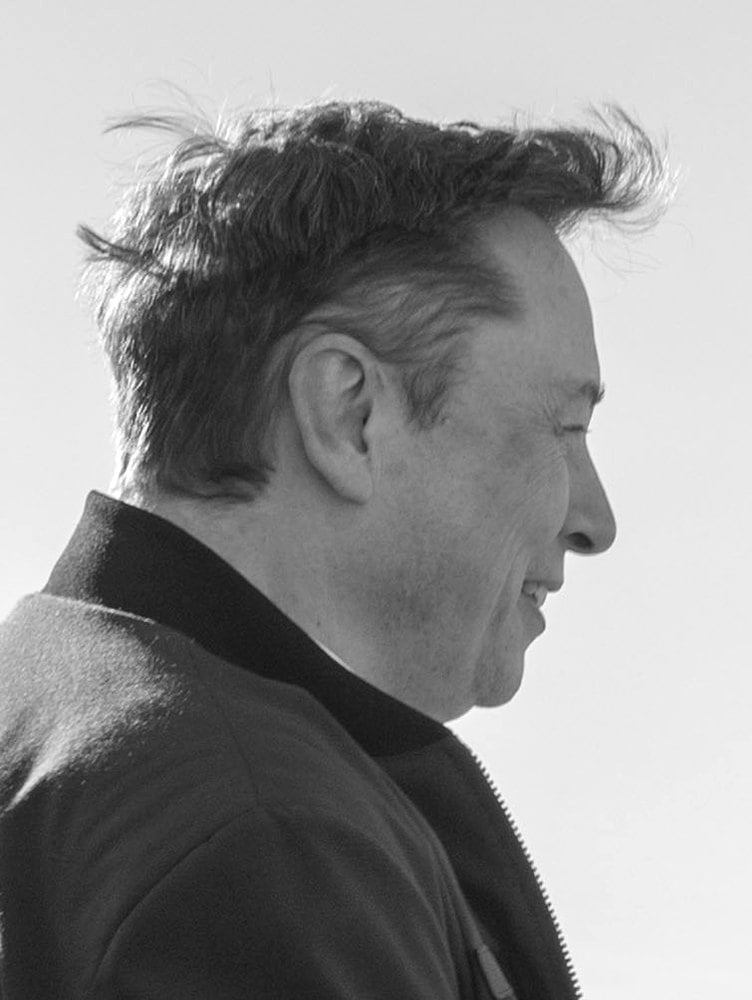
Elon Musk was born in Pretoria. He left South Africa as a young man, built SpaceX and Starlink in America, and created one of the most transformative connectivity technologies in history. Satellite internet that works in rural areas with no fixed infrastructure, that functions through load shedding, that could meaningfully change life in exactly the kind of remote, underserved communities South Africa has millions of.
He tried to bring it home. South Africa’s Electronic Communications Act requires a 30% black ownership stake for a telecommunications license. It falls under BEE, and Starlink choked on that requirement.
The company that could connect rural South Africans to the internet, owned by arguably the most famous South African expat, cannot operate here because the government demands a race-based equity transfer before it will issue a license.
Musk has been vocal about it:
“You should be questioning why are there racist laws in South Africa. The whole idea with what Nelson Mandela, who was a great man, proposed was that all races should be on an equal footing. That’s the right thing to do, not to replace one set of racist laws with another set of racist laws.”
The Institute of Race Relations maintains an Index of Race Law cataloguing every South African statute that makes a person’s race legally relevant. The current count is 145, more, quantitatively, than the 123 race-based Acts on the books at apartheid’s peak in 1980. The comparison is not one of severity. A single apartheid-era act like the Group Areas Act was more sweeping and destructive than dozens of post-1994 laws combined. But the sheer volume tells you something about a country that was supposed to be building a non-racial democracy. Thirty years later, race is more legally relevant, not less. Musk’s summary:
“I’m in this absurd situation where I was born in South Africa but cannot get a license to operate Starlink because I’m not black.”
The top comment on that video was: “You guys had thousands of years with slavery and colonialism. It’s time for us to eat now.”
That single sentence captures the framing that makes all of this possible. The idea that governance is not about building systems that work for everyone, but about whose turn it is to extract. Not prosperity. Not institutions. Eating.
The rural South Africans who would benefit most from Starlink remain unconnected. But the framing has been satisfied. The correct racial box has been checked, even if the service never arrives.
The kicker here? The people sitting in the dark without internet are the same people the policy claims to be protecting.
A Cafeteria in Georgia
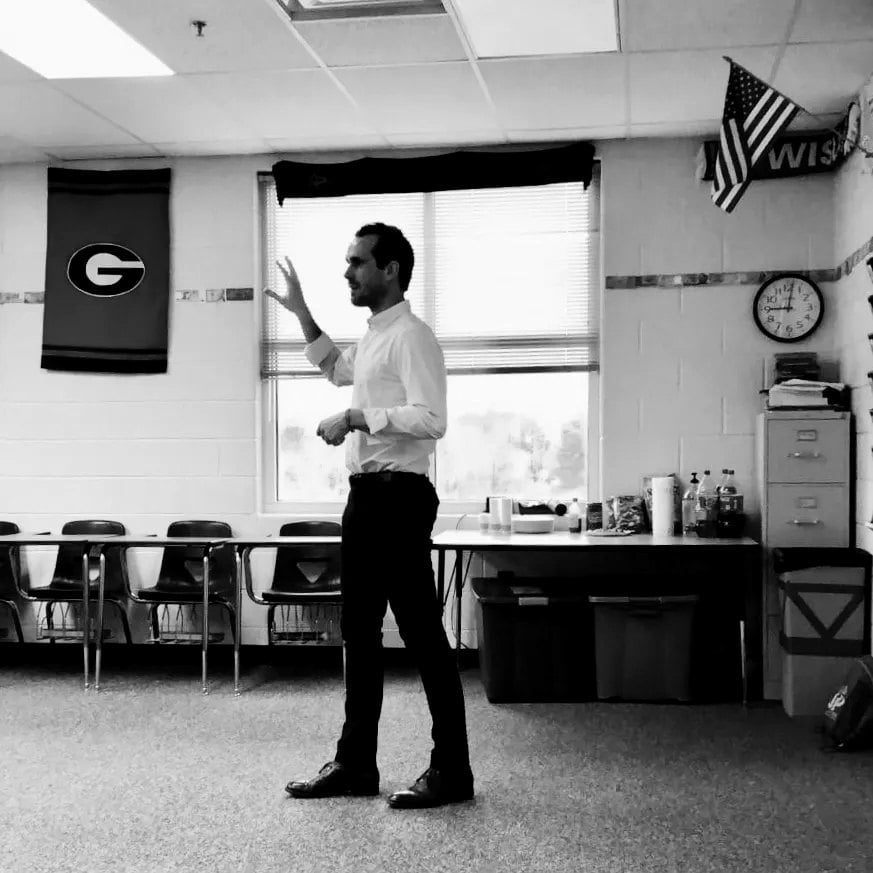
I think about this whenever I remember visiting Duluth High School outside Atlanta. My friend Jordan used to teach there, and for a few years running I’d come in to give a talk to the kids about apps, entrepreneurship, and travel.
The school made the United Nations look like chump change. Over half the kids had parents born overseas. The hallways were a blur of backgrounds, languages, families from everywhere. And every year, when I walked into the cafeteria, I looked for the same thing: racial self-segregation.
I couldn’t find it. I looked, repeatedly. The kids sat together by interest. The art kids, the band geeks, the gamers, the jocks. They are not sorting by skin color. Nobody mandated that. Nobody wrote a law requiring 30% of each lunch table to be allocated by race. It just happened, because the kids are organizing around character and shared interest, not around group identity.
Martin Luther King wrote from a Birmingham jail cell in 1963 that he dreamed of a nation where people “will not be judged by the color of their skin, but by the content of their character.” Letters from a Birmingham Jail is, in my view, one of the most powerful pieces of persuasive writing in the English language. King’s argument is fundamentally about the individual. Judge me as a person. Measure me by what I do, not by which box I check.
BEE does the opposite. It assigns economic opportunity by racial category. It mandates group outcomes rather than protecting individual rights. It is rooted in the past and nurtures racial grievances. King would have found it repugnant. So would Mandela, if you take his stated words at face value.
A public high school cafeteria in suburban Georgia, where nobody is mandating anything, looks more like King’s dream than the Rainbow Nation does with its 145 race-based laws. That should tell you something about which approach actually works.
Mandated integration produces compliance and resentment. Organic integration produces a cafeteria full of kids who don’t even think about it.
80% Of the World’s Platinum, No New Mines
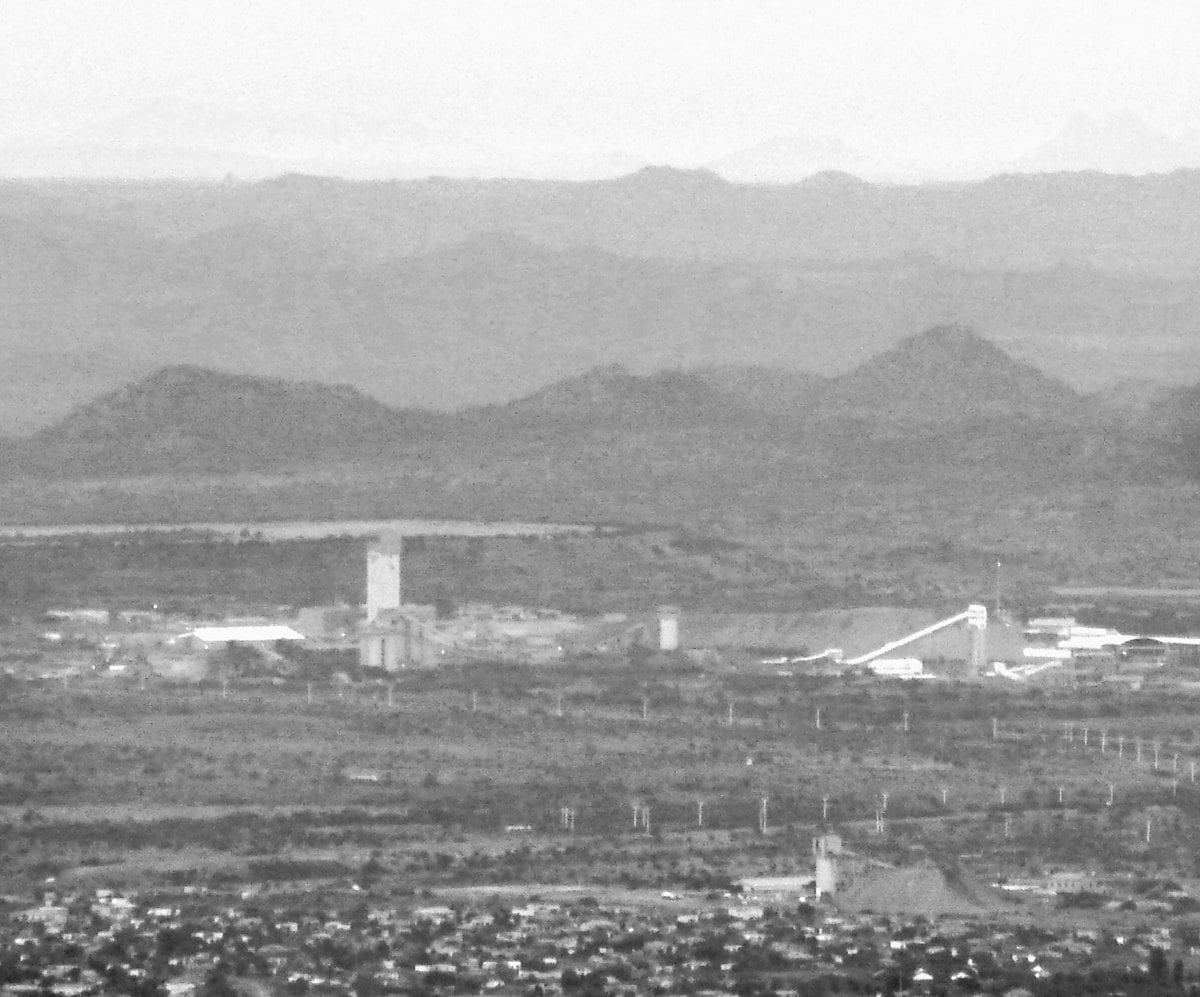
South Africa holds an estimated 80% of the world’s platinum group metal reserves. The Bushveld Complex, spanning Limpopo, North West, and Mpumalanga provinces, is one of the most extraordinary geological formations on earth. It should make South Africa an extraction superpower for generations.
Instead, no new major mines are being built. The capital has stopped coming. Not because the economics don’t work. Because the political structure isn’t accommodating to them.
The mechanism is what economists call the hold-up problem, and once you understand it you see it everywhere in South Africa’s economic story.
Mining requires enormous upfront capital. You are making a 30-year bet, sometimes a 50-year bet, before the first meaningful return. That kind of commitment only happens when investors trust that the rules governing their investment will still be the rules when it comes time to collect.
You don’t just need to believe the mine will produce metal. You need to believe the government won’t change the ownership requirements, the tax structure, the royalty regime, or the regulatory framework in ways that retroactively destroy the economics.
Building mines is truly sunk capital.
In South Africa, the rules kept changing. Under the ANC, the Mining Charter was introduced in 2002, revised in 2010, revised again in 2018. Each revision ratcheting up the BEE ownership requirements, each revision reopening the fundamental question of what the terms of operation actually were, and who owned the mineral rights beneath the surface.
Around 2010, Julius Malema and the ANC Youth League pushed loudly and seriously for full nationalization. It never happened. But the threat was enough.
You do not need to actually nationalize an industry to kill investment in it. You need only make investors believe it is possible, and then watch the capital flow elsewhere. (Capital is a coward. It doesn’t wait around to see if you’re bluffing.)
What you get as a result is exactly what you see on the ground: the existing mines get expanded. Deeper, wider, more dangerous, because the capital is already sunk and you can still sweat the existing investment.
But nobody is digging new ones. They know where to dig. They know the reserves are there. They know what the commodity prices are. The economics would work under a stable regime.
The problem is not the geology. It is the laws and policies above the geology. Investors don’t believe the ANC won’t try to further nationalize the mines or steal what comes out of them.
Anglo American, the company which South African Harry Oppenheimer built, the firm that shaped Johannesburg’s skyline and financed much of the country’s modern infrastructure, has progressively reduced its South African footprint over the past two decades and moved its primary listing to London. South Africa’s gold production has fallen from world’s largest to roughly eighth. The earth still has what it always had. The capital won’t commit to the state sitting above it.
The global consequence is worth understanding. Platinum group metals are not optional. They are essential for catalytic converters, for the hydrogen fuel cell technology the world is investing billions in, for electronics, for chemical refining. Demand is not the problem.
As Dave Collum and other macro analysts have pointed out, platinum is purely supply-constrained, meaning the market wants more than it can get, and the price should be triggering the supply response that commodity economics predicts: new investment, new mines, new production.
But 80% of the world’s reserves sit under the ANC, a ruling party which keeps changing the rules in order to get their hands further into the cookie jar. The supply response cannot happen.
Mining products already account for over 50% of South Africa’s exports to the United States. Platinum group metals alone represent 28%, gold another 12%, iron and steel 9%, diamonds 7%. The country’s export economy is majority-dependent on the very sectors it is making uninvestable.
This is not mismanagement. This is a country systematically destroying the economic foundation it stands on.
Rocks in the Trucks
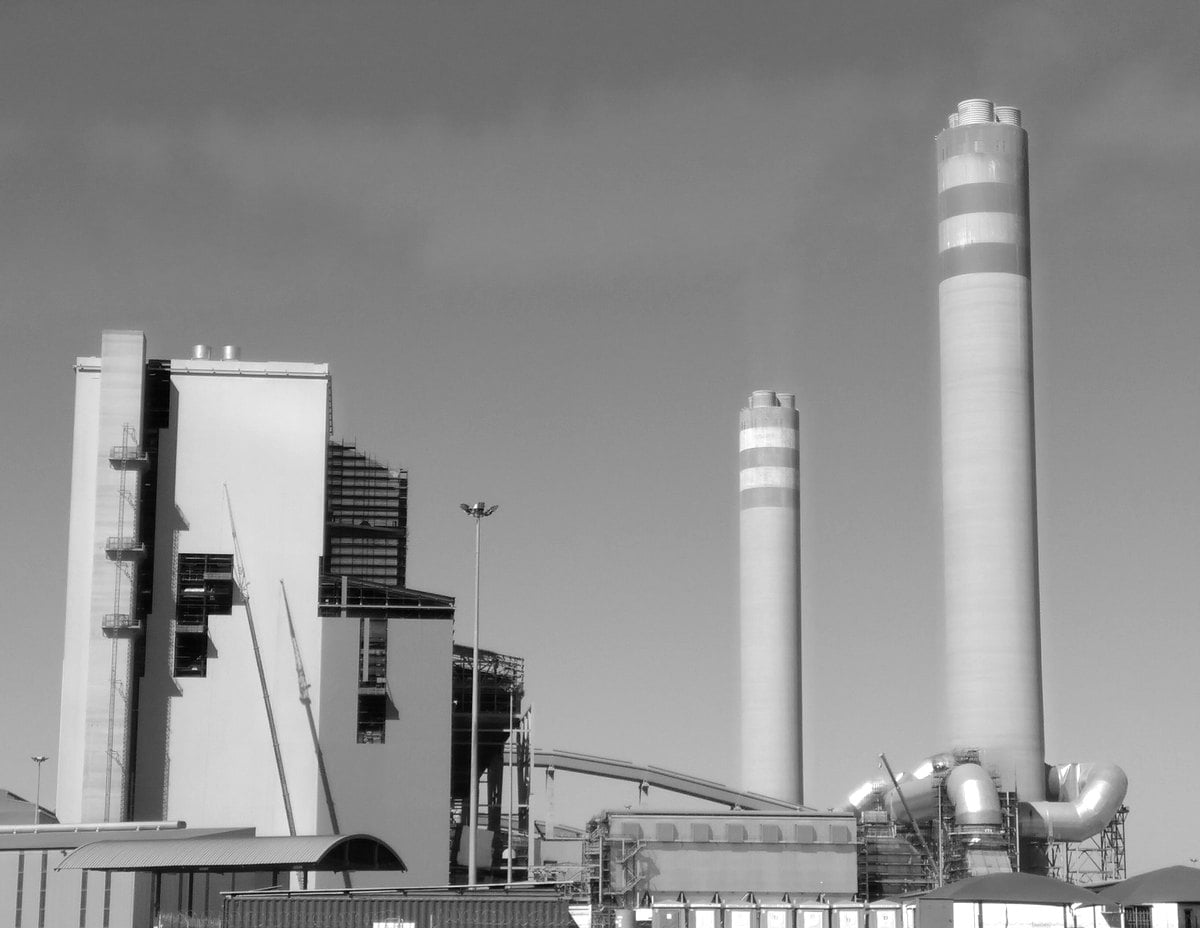
André de Ruyter became CEO of Eskom in 2020. He spent three years trying to run South Africa’s national electricity utility and wrote about the experience in Truth to Power.
What he documented was not mismanagement in the ordinary sense of the word. Incompetence is fixable. What de Ruyter found was organized looting. Criminal networks that had colonized the institutions of the state so thoroughly that the institution’s nominal function, generating electricity, had become secondary to its actual function, which was extracting money.
Coal fraud was systemic. Trucks would arrive at power stations loaded with rocks or substandard material, with the weigh station operators paid off to certify quality coal had been delivered. Criminal syndicates had embedded themselves in the fuel supply chain of the national grid.
Maintenance contracts were inflated to multiples of their actual value. BEE requirements meant certain contractors had to be used regardless of their competence or pricing, and those contractors marked everything up accordingly. De Ruyter’s own people told him the problem plainly: “the policy of preferential public procurement had compelled us to go with the so-called ‘bakkie brigade’, contractors that sometimes couldn’t even weld properly. That’s why the quality of maintenance was so poor.” Eskom’s headcount ballooned to over 40,000 employees to run a grid that a competently managed utility could operate with a fraction of that workforce.
When de Ruyter asked a colleague why his reform strategy wasn’t getting support, she chuckled at his naivety: “But André, you are not showing the comrades a way to eat!” Profit-sharing by criminal and corrupt elements had become so normalized it was self-evident. It had to be incorporated in plans. Without largesse being dispensed to the comrades, plans would fail, sometimes by being deliberately undermined.
In December 2022, cyanide was found in de Ruyter’s coffee at Eskom headquarters. Cyanide. In his coffee. At the office. He resigned shortly after and left the country for a period. He now keeps a much lower profile. (You would too.)
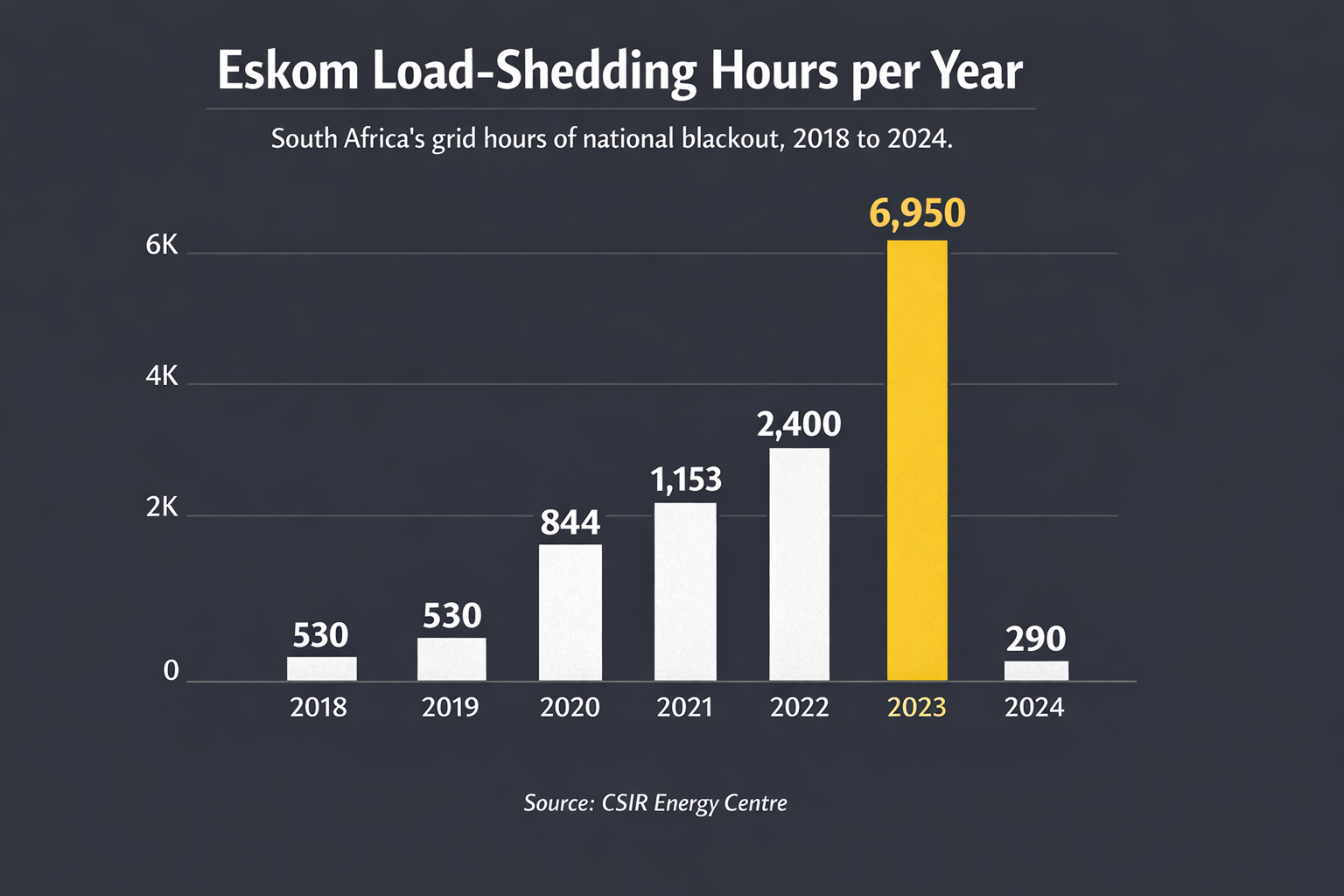
The consequence of all of this for ordinary South Africans was another South African euphemism, load shedding, that became, at its worst in 2023, Stage 6, meaning up to 12 hours a day without power. Factories shut down. Hospitals ran on generators. Small businesses that couldn’t afford solar backup simply folded.
The economic cost to South Africa’s GDP from load shedding runs to hundreds of billions of rand per year. And this is on top of a manufacturing sector that has already been gutted. As de Ruyter documented:
“We exposed ourselves to global competition at just the time that China rose to be the workshop of the world. As the tide went out, we stood naked, leading our manufacturing industry to shed nearly a million jobs since 1994.”
Nearly a million manufacturing jobs. Gone. Since the transition.
It is the most vivid and daily proof of what state capture actually means in human terms: sitting in the dark in a country with some of the best natural energy resources on earth.
Sun, Wind, Uranium, All Untapped
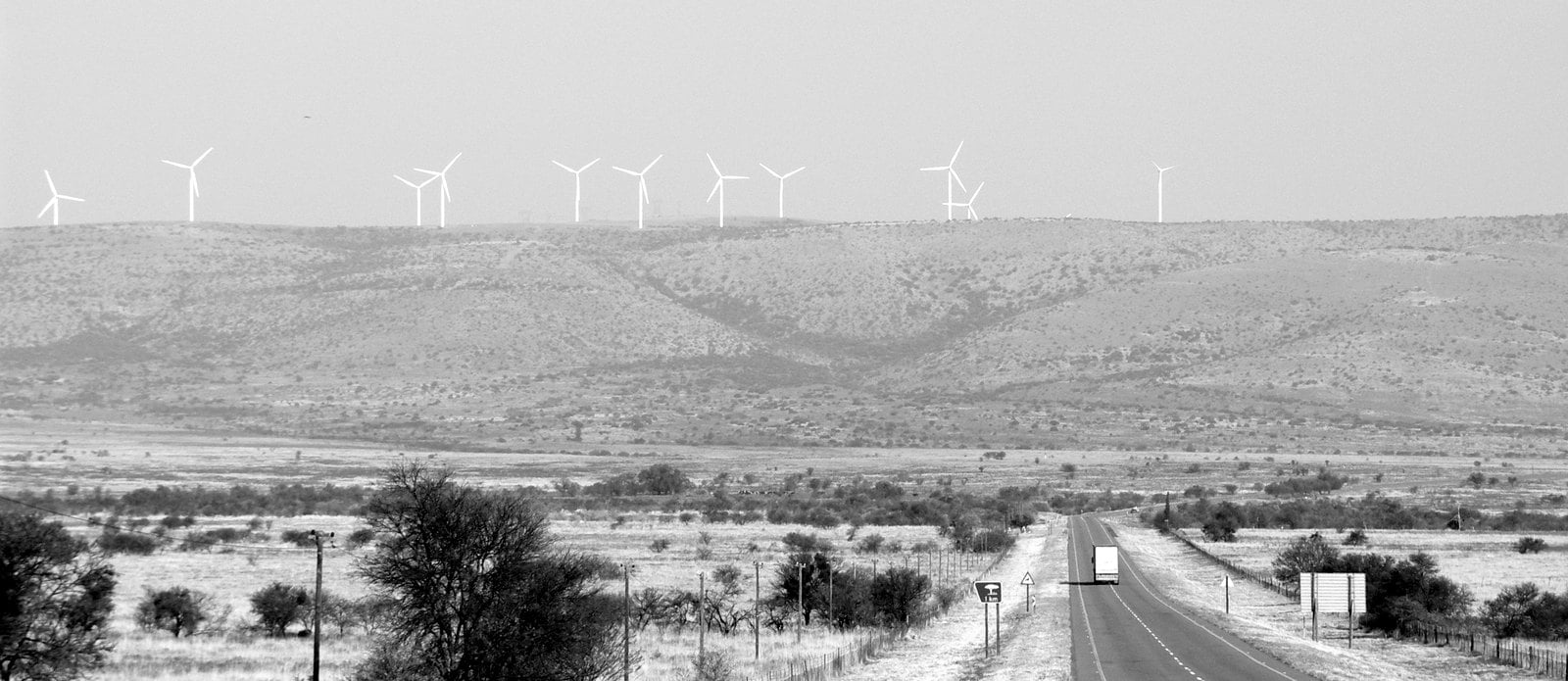
South Africa has among the highest solar irradiance of any country in the world. The Northern Cape is genuinely world-class for solar generation. The coastal wind resources are extraordinary.
The country also has significant uranium reserves. It was historically a major producer, primarily as a byproduct of gold mining on the Witwatersrand, and it is the only country in history to have developed nuclear weapons and then voluntarily dismantled them. The technical capability was proven. The one operating nuclear plant, Koeberg near Cape Town, Africa’s only nuclear power station, has been generating electricity since the 1980s.
When the energy crisis became undeniable, the Zuma administration’s response was a proposed $76 billion deal with Russia’s Rosatom for new nuclear capacity. It was widely understood as a vehicle for corruption on a staggering scale and was eventually blocked by the courts.
The uranium is in the ground. The proof of concept is running at Koeberg. The technical knowledge existed decades ago. The one serious attempt to expand it was a looting operation.
The natural endowment for cheap, abundant energy, solar, wind, nuclear, is there, largely untapped at scale, while the country runs on rolling blackouts. Because investors don’t trust the regulatory framework, don’t trust consistent grid connection access, and don’t trust that a future government won’t decide their assets are “strategic infrastructure” worth acquiring at terms they set unilaterally.
Reform That Isn’t
The government’s response to the Eskom crisis tells you everything you need to know about the ANC’s relationship to reform.
In 2023, under enormous public pressure, the government announced it would “unbundle” Eskom into three separate entities: generation, transmission, and distribution. Western media reported this as restructuring. South Africans who understood the game recognized it immediately. You take one state-owned enterprise that doesn’t work and split it into three state-owned enterprises that don’t work. (Brilliant.)
The generation entity is still state-owned. The transmission entity is still state-owned. The distribution entity is still state-owned. No private capital gets a meaningful foothold. No market discipline enters the system.
The organizational chart changes. The incentive structure does not.
This is not a failure of imagination. It is ideological fidelity.
The ANC’s alliance with the South African Communist Party is not historical decoration. The SACP holds cabinet seats, shapes policy, and treats the Freedom Charter’s declaration that “the mineral wealth beneath the soil, the banks and monopoly industry shall be transferred to the ownership of the people” as a living commitment, not an archived aspiration.
Malan, writing the foreword to the Institute of Race Relations CEO Frans Cronje’s book, named the two doctrines that make the ANC structurally incapable of reform better than anyone:
“Dogma One is racial nationalism, which maintains that the highest good in South African society is the achievement of racial transformation targets. Our state-owned enterprises may all be dying, but that doesn’t matter very much because they have achieved a state of immaculate transformation.”
“Dogma Two is the doctrine of National Democratic Revolution, the Marxist-Leninist thesis inherited from the Soviet Union, where private property was regarded as theft and the state owned everything. For those who believe in the NDR, state ownership and control of the economy is a state of grace and anything else is anathema, which makes it almost impossible to solve the country’s problems.”
That’s the whole picture in two paragraphs. Genuine privatization of strategic assets, electricity, mining, telecommunications, transport, is doctrinally impossible for a party whose institutional DNA treats state ownership of the means of production as a moral imperative rather than an economic question.
They cannot run Eskom. They will not sell it. The “reform” they offer is rearranging the structure of state control while preserving the principle of state control absolutely.
Who Actually Keeps This Place Running
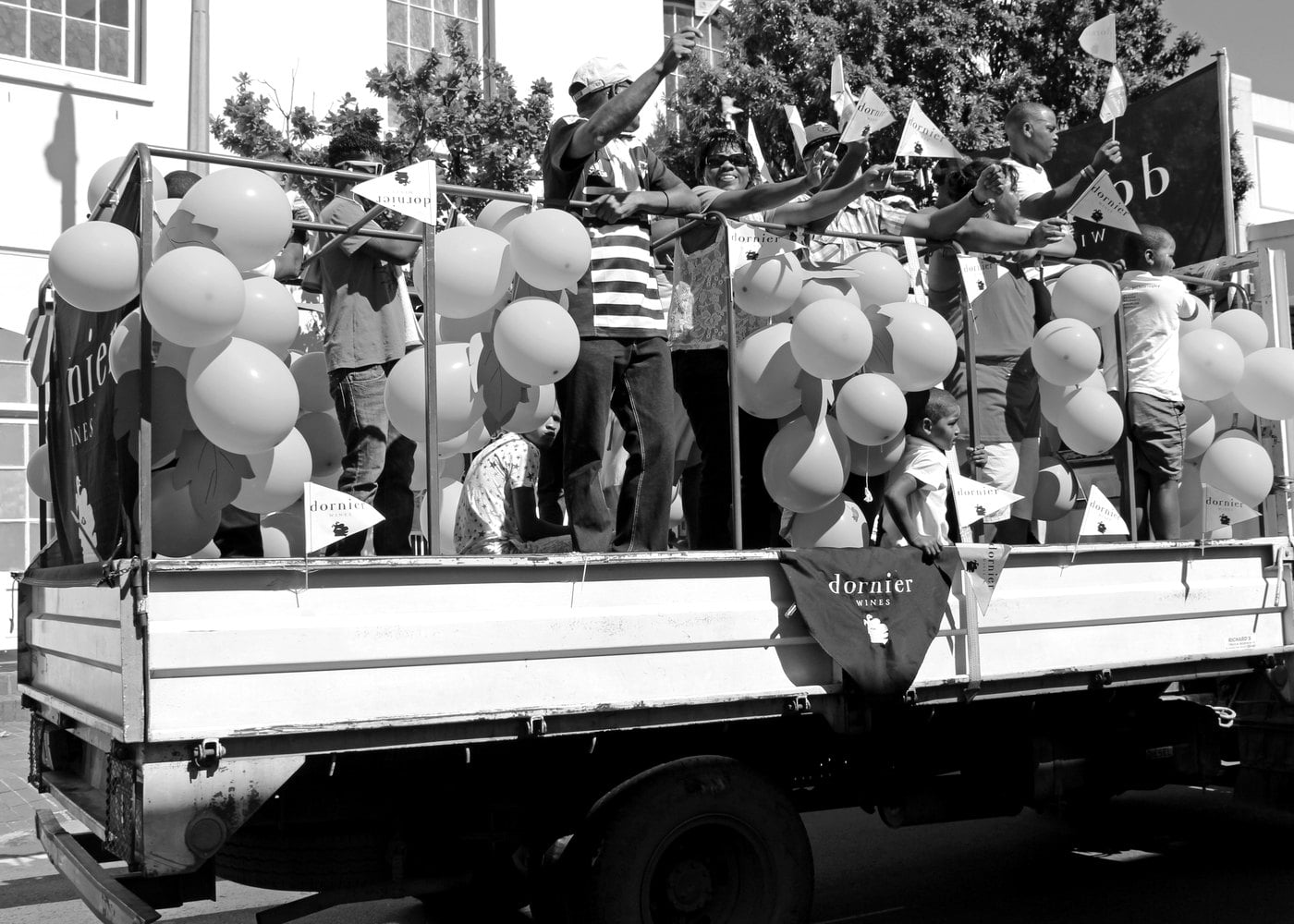
Walk through the Western Cape, through the restaurants, the construction sites, the domestic work sector, the informal economy, and pay attention to who is doing the work. A significant portion of the actual labor force, particularly in Cape Town and the surrounding agricultural areas, is not South African. They are Zimbabwean. Malawian. Mozambican. Lesothan.
Most of them are here without work permits. Legally they are visitors, not workers.
They arrive on cross-border buses, and there is a well-documented informal system for keeping them here: their passports travel back up the bus route to Zimbabwe or Malawi, where a corrupt border official stamps them as if they’ve re-entered their home country and then re-exited, resetting the visitor clock.
The passport comes back on the next bus. The person never left. They are now legally a fresh arrival, good for another few months. (Everyone knows. Nobody says anything. The economy would seize up without them.)
This is not a moral failure on the part of the immigrants. It is a rational response to economic reality.
From Rhodesia to Ruin
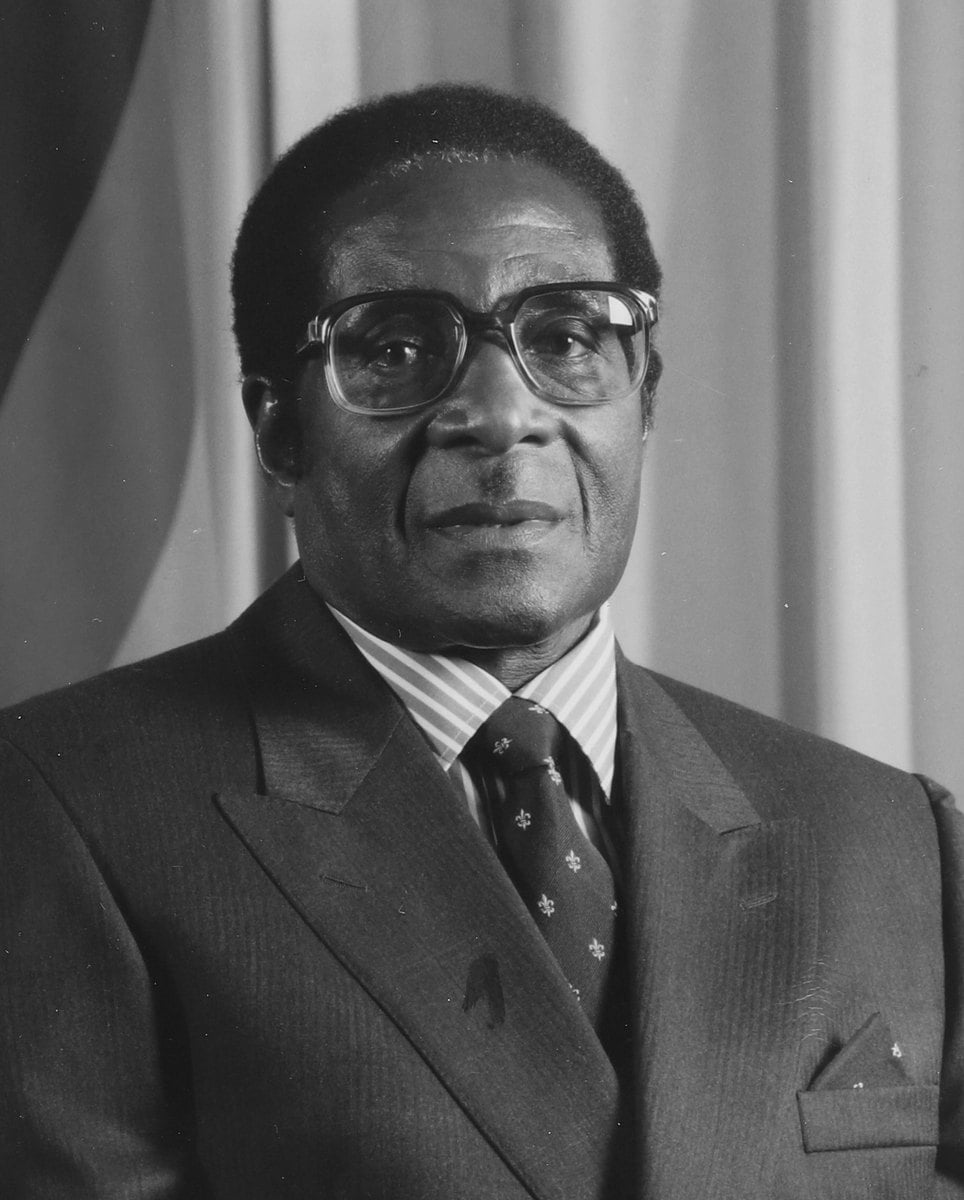
Zimbabwe under Mugabe, and the story of Zimbabwe is worth recounting, because it is a preview rather than a parallel, seized white-owned commercial farms starting in 2000. The land reform was brutal, rapid, and economically catastrophic. It was racial nationalism 101.
The backstory matters. Zimbabwe was Rhodesia before it was Zimbabwe. A British colony under Ian Smith, who declared unilateral independence from Britain in 1965 rather than accept majority rule. Robert Mugabe rose to power as a Marxist revolutionary, backed by China and trained in Mozambique, fighting a brutal bush war against Smith’s Rhodesian forces through the 1970s. The Rhodesians fought hard and lost anyway. Not on the battlefield, but at the negotiating table, when international pressure forced the Lancaster House Agreement in 1979.
Mugabe won the first election in 1980. He came in as a communist, talked reconciliation for a few years, then showed his hand. He vilified the white farmers who had built Rhodesia’s agricultural economy, deployed the Fifth Brigade to massacre an estimated 20,000 Ndebele civilians in Matabeleland (the Gukurahundi, a genocide most Westerners have never heard of), consolidated one-party rule, and eventually launched the land seizures that destroyed the economy.
The pattern is worth naming because South Africa’s liberation narrative rhymes with it at every beat: colonial injustice, armed struggle, liberation hero, one-party dominance, institutional decay, racial scapegoating. The question is how far down the same road South Africa travels.
In January 2025, Ramaphosa signed the Expropriation Act into law, which permits the state to expropriate land for “nil” compensation under an open-ended list of conditions. The IRR called it unconstitutional and warned it obliterates growth prospects. It is, in everything but name, the legal framework Zimbabwe used. The road is not hypothetical. They are walking it.
Zimbabwe had been called the breadbasket of Africa: it fed its neighbors, exported grain, ran a functioning commercial agricultural sector built on decades of capital investment and expertise. Within a decade of the seizures, it was importing food.
The commercial farmers who had built that sector took their capital, their expertise, and their networks elsewhere. The farms that were “redistributed” largely failed to produce at anything near previous levels, because productive farming requires more than land plus labor. It is institutional knowledge, capital equipment, supply chains, credit relationships, and the certainty that next year’s investment in seed and fertilizer will still be yours to harvest.
Jim Rogers, the investor who drove a motorcycle and later a car through every country in Africa and documented it in Investment Biker and Adventure Capitalist, watched this pattern play out across the continent:
“Throughout Africa, the former European colonies, imbued with new freedom often bought with oceans of blood, claimed, ‘We’re going to be democracies, we’re going to have elections, we’re going to create better nations for our people.’ It was not long, however, before all those freedom fighters, the great liberators, became dictators themselves. One man, one vote. One time. They liked being in power. They liked the money. They ruined economies, entire societies. Capital fled, people fled.”
Ghana. Nigeria. Congo. Tanzania. The pattern is almost monotonous. Nkrumah in Ghana pledged to “transform the Gold Coast into a paradise in ten years,” turned dictator, jailed his enemies, and destroyed the cocoa farmers by forcing them to sell to his cronies at below-market prices. Mobutu in Congo was one of the richest men in the world, personal fortune estimated at $6 to $8 billion, while his country spent more on him than on its schools, hospitals, roads, and social services combined. Nigeria’s national treasury was systematically looted: an estimated $5 billion socked away in Switzerland and other offshore jurisdictions while 22 million Nigerians earned less than $1.50 a day.
South Africa is not Congo. Not yet. But the trajectory is on the same curve, and the mechanism is identical: a liberation movement that became a looting operation while the world looked the other way because the story was too good to question.
The human beings who fled that catastrophe are now working illegally in Cape Town, stamping their passports on buses to stay another month in a country that at least still has lights on some of the time. They pay 15% VAT on everything they purchase. They generate economic activity. They cannot vote.
40% on the Dole

And this is where the political economy of South Africa becomes genuinely structural rather than merely corrupt.
Approximately 18 to 19 million South Africans, out of a population of roughly 60 million, receive some form of social grant. The Child Support Grant alone covers around 13 million children. The Social Relief of Distress grant, introduced during COVID and effectively made permanent, functions as a basic income for unemployed adults.
Roughly 40% of the population depends on direct state transfers.
Those people vote. They vote ANC because the ANC writes the checks.
The system is self-sealing in a way that is almost elegant in its dysfunction: the grant recipients are the ANC’s most reliable constituency, the grants are funded by a shrinking formal tax base and by the VAT paid by people, including undocumented immigrants, who contribute to the economy but cannot vote, and the policies that damage the formal economy most directly (BEE exclusions, mining charter uncertainty, Eskom collapse, port dysfunction) fall hardest on exactly the people who are least represented at the ballot box.
You cannot vote out the ANC if you are a Zimbabwean stamping your passport on a bus. You cannot vote them out if you are a white or Coloured or Indian South African in a numerical minority. You are unlikely to vote them out if your grant depends on them staying in power. The people most harmed by the ANC’s governance choices are structurally prevented from changing them.
The Protection Racket
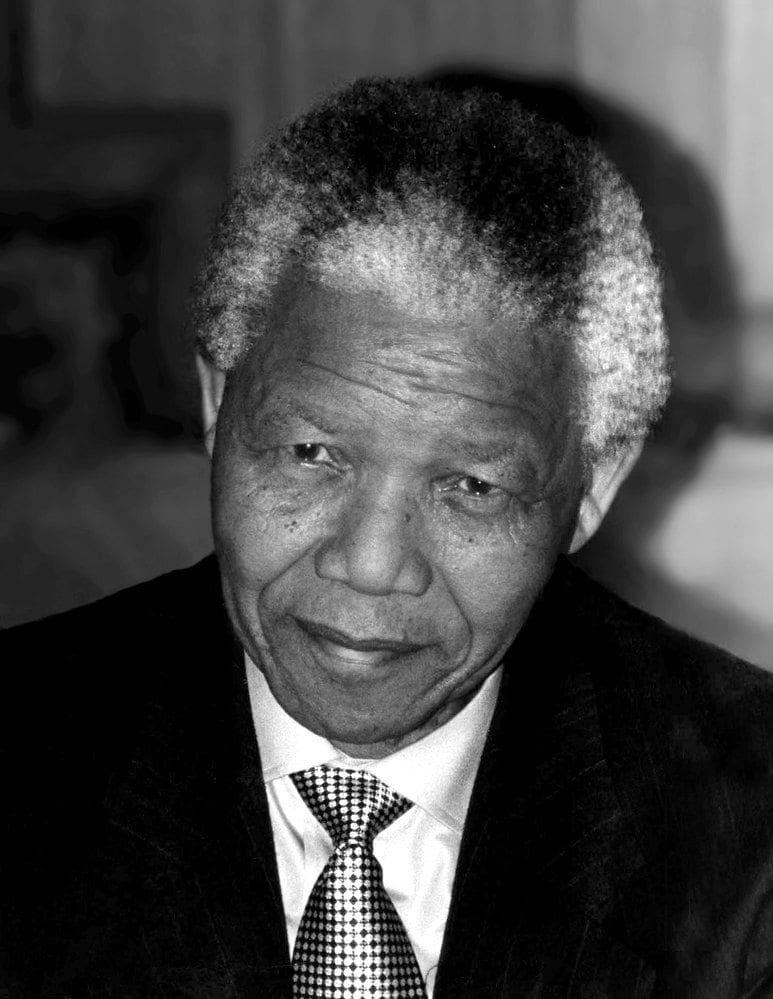
The Mandela halo is real. I am not arguing otherwise. Mandela’s personal story, 27 years in prison, emerged without bitterness, extended a genuine hand to the people who had imprisoned him, is extraordinary and should be honored as such.
But Malan, writing about New York dinner parties in 1985, telling liberal Americans what they wanted to hear about South Africa while collecting what he called “my thirty pieces of silver,” identified the mechanism by which that halo became a political shield.
The myth Americans needed, he wrote, required “no Communists in this sweet tableau, no bloody revolutionary excesses. The African National Congress was inevitably depicted as an army of hymn-singing Uncle Toms.”
Anyone who complicated that story was, by definition, not to be trusted. Probably racist. Possibly an apartheid sympathizer.
The historical record complicates the story considerably. Mandela was convicted of sabotage in 1964 at the Rivonia Trial. He was a co-founder of Umkhonto we Sizwe, the ANC’s armed wing, which carried out bombings. He admitted to planning acts of sabotage at trial; his argument was that it was justified resistance.
The U.S. State Department kept him on its terrorist watch list until 2008. George W. Bush had to sign specific legislation to remove him.
That is not ancient history.
Malan, citing Mark Gevisser’s authorized research into ANC records, wrote that “all but one of the potentates who sat on the movement’s national executive in the seventies were secretly members of the Communist Party. The ANC in exile was a Stalinist organization, and anyone who says otherwise is flat wrong.”
The implication is important: the movement that inherited South Africa in 1994 was not, at its core, a movement of liberal democrats who wanted property rights and rule of law. It was a movement whose senior leadership had spent decades in ideological alignment with the Soviet Union.
That alignment didn’t just evaporate because the Cold War ended.
None of this absolves apartheid. But it does explain why treating the ANC as an infallible liberation movement rather than a political party subject to the same scrutiny as any other was always going to produce exactly the kind of accountability vacuum it produced.
Every governance failure got absorbed by the halo. Every corruption scandal got deflected by invoking the struggle. Every legitimate criticism of ANC policy got reframed as an attack on the transformation project.
Here is the move in real time. At the Oxford Union in May 2025, the South African entrepreneur Vusi Thembekwayo, debating Elon Musk’s father Errol on the motion that Africa must evict its colonial masters, opened with this:
“Elon Musk is a hypocrite. He has the audacity to tell South Africa that it can’t have laws to empower people who are disempowered by law… His own father benefited from apartheid by running mines during apartheid, which black people were not allowed to do. So Elon Musk went to school in a Rolls-Royce because his dad was benefiting from the system he says we shouldn’t have in place. Who does he think he is?”
Notice what the argument is doing. It is not engaging with what Elon Musk actually said. It is establishing that Musk is morally disqualified from saying it. The substance is unaddressed. The critic is the problem. This is the halo functioning exactly as designed: the question is no longer whether the policy works, the question is whether the person raising it is allowed to.
The argument also elides the deal that ended apartheid. White South Africans voted 68.7% YES in the 1992 referendum to dissolve their own legal privileges in exchange for a colorblind constitutional order. BEE broke that bargain on day one. The “now it’s our time to eat” framing that runs through so much post-transition African politics is, with the moral indignation stripped out, zero-sum thinking operating through the political process. It assumes the size of the pie is fixed, that wealth flows are about who gets to sit at the table rather than what makes the table larger, and that the appropriate response to historical extraction is more extraction in the other direction.
The Intellectual Shield

The intellectual foundation underneath all of this is worth examining, because it is what makes the halo so durable.
Rogers also identified the role of the Western aid apparatus in enabling all of this:
“What foreign aid teaches dictators and the political hangers-on around them is how to obtain foreign aid, not how to make their countries productive.” The Africans themselves, he reported, had their own name for the NGO workers who lived in gated compounds with satellite TVs and drove around telling locals how to run their countries: “the new colonialists.”
The prevailing framework in Western media and academia holds that Western civilization is uniquely responsible for the world’s historical crimes, colonialism, slavery, exploitation, and that post-colonial governments are therefore owed a kind of permanent moral credit that immunizes them from normal scrutiny.
Thomas Sowell, the black American economist who has spent a career subjecting these assumptions to data, finds the opposite. (His Black Rednecks and White Liberals is a good place to start.)
On colonialism: Sowell documents across multiple books that the regions of Africa, Asia, and Latin America with the most sustained contact with Western institutions, particularly British common law, tended to develop stronger legal systems, higher literacy rates, and more functional economies than those with less contact. This is not a comfortable finding. It is, however, what the data shows.
The type of colonial institution mattered: Daron Acemoglu’s Nobel Prize-winning research confirms that where Europeans settled and built inclusive institutions, development followed; where they built purely extractive operations, it didn’t. South Africa had both simultaneously, sorted by race.
The question worth asking is which legacy the ANC chose to build on after 1994, and the answer, in the Mining Charter, in Eskom, in BEE, looks a great deal more like the extractive model than the institutional one.
Who Actually Ended Slavery
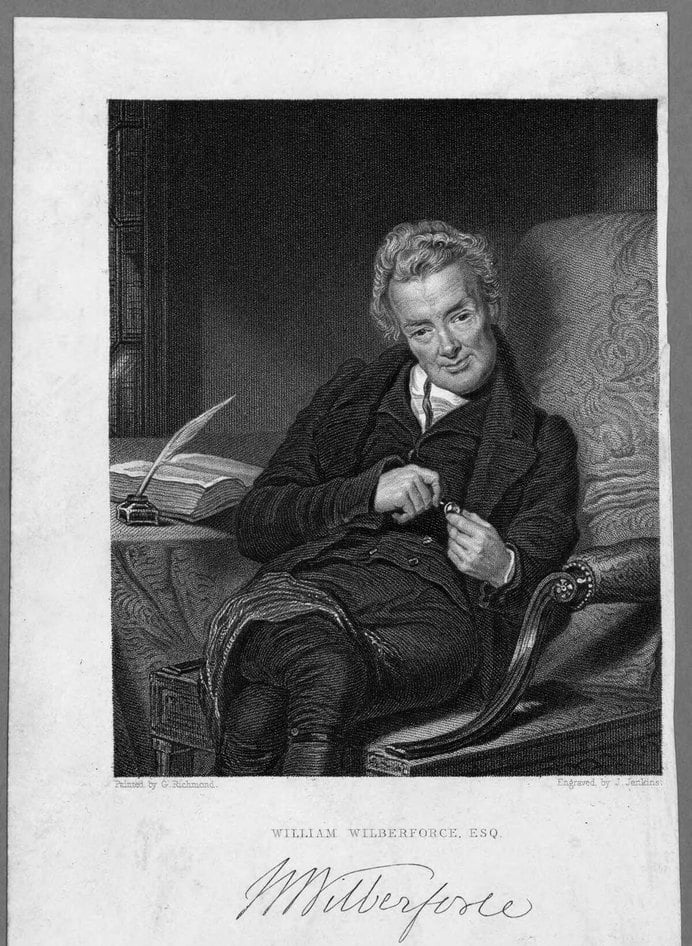
On slavery: Sowell’s Black Rednecks and White Liberals makes a case that is historically precise and almost never heard in polite company.
Slavery has existed in virtually every human civilization since prehistory: among African kingdoms, Arab empires, Asian dynasties, pre-Columbian Americas, and across Europe. The Arab slave trade out of Africa was massive, predated the Atlantic trade by centuries, and continued long after the Atlantic trade ended. African kingdoms were active participants in selling captives to European traders.
What is historically anomalous is not slavery. It is abolition.
The moral crusade against slavery was a distinctly Christian phenomenon, specifically white, Western, and Protestant. Britain abolished the slave trade in 1807, slavery throughout the Empire in 1833, then spent decades and enormous naval resources intercepting slave ships globally.
Britain was still paying off the debt from compensating slave owners in 2015, meaning British taxpayers were literally still paying for abolition within living memory. The American Civil War killed roughly 620,000 people, and Lincoln himself was explicit that the war was fought to preserve the Union, not to end slavery. (“If I could save the Union without freeing any slave I would do it.”) But the war ended slavery anyway, and the men who died in it, overwhelmingly white Northerners, paid the price regardless of their motivations.
The accurate framing is not that slavery wasn’t a crime. It was. The accurate framing is that slavery is as old as civilization and was practiced universally. The people who ended it were white Western Christians. Wilberforce was an evangelical. The Quakers were among the first organized abolitionists. The movement that pressured Parliament was explicitly religious in its moral language. The abolition of slavery was not a secular Enlightenment project. It was a Christian one.
The moral inversion that assigns Western civilization unique culpability for a universal human practice, while exempting the civilizations that practiced it longest and fought hardest against abolition, is not history. It is politics.
And it is the politics that makes the ANC’s protection racket work so reliably in Western media: if Western civilization is the source of all historical crime, then any government that positions itself as the victim of Western civilization is pre-immunized against criticism, regardless of what it actually does to the people it governs.
Three decades in, the halo has worn thin even among the ANC’s traditional supporters. But the damage of those three decades is structural and deep.
No Shared Country
There is a layer underneath all the governance failures that Malan sensed as prophecy in the 1980s: the question of whether South Africa was ever actually one country, or several countries sharing a land mass with no agreed story about what they owed each other.
James Michener, who spent years researching The Covenant, his sweeping novel of South African history, noted something the standard narrative obscures.
In the United States and Australia, colonial authorities needed labor. The indigenous populations had been reduced by disease and war, and the land required people to work it. So they ran open immigration policies. The Irish fleeing famine, the Italians, the Eastern Europeans, the convicts transported to Australia. They came and became American, became Australian, absorbed over generations into majorities that looked like them.
They arrived as immigrants, not as settlers. They did not remain a separate ruling class.
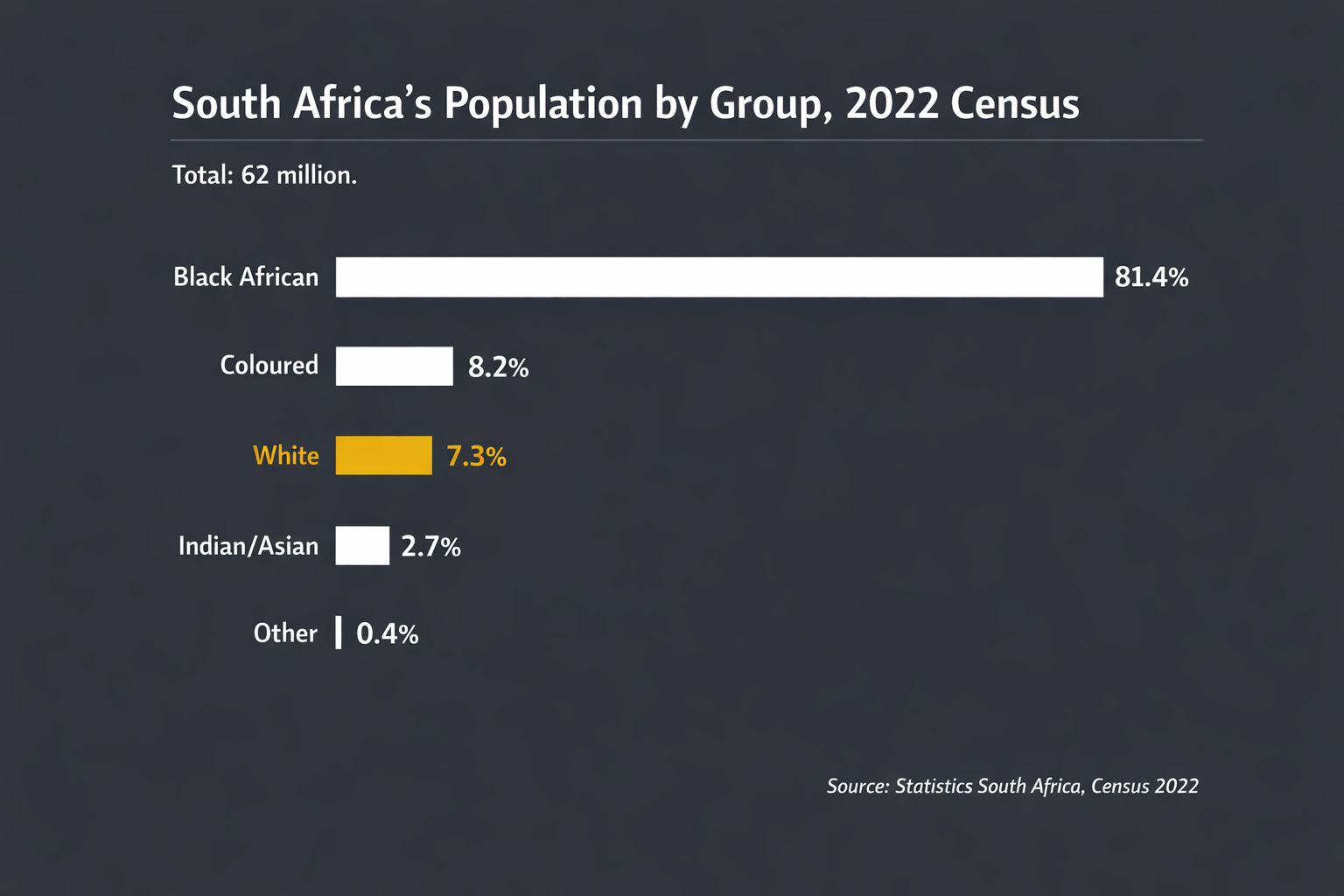
South Africa already had a large African labor force. No economic need for mass white immigration existed. White settlement stayed tiny, today around 7% of the population, roughly 4.7 million people out of 60 million.
That minority was always structurally a ruling class rather than an integrated majority, and that fact made the eventual transfer of power more charged and the post-transfer governance more extractive than anything the United States or Australia faced.
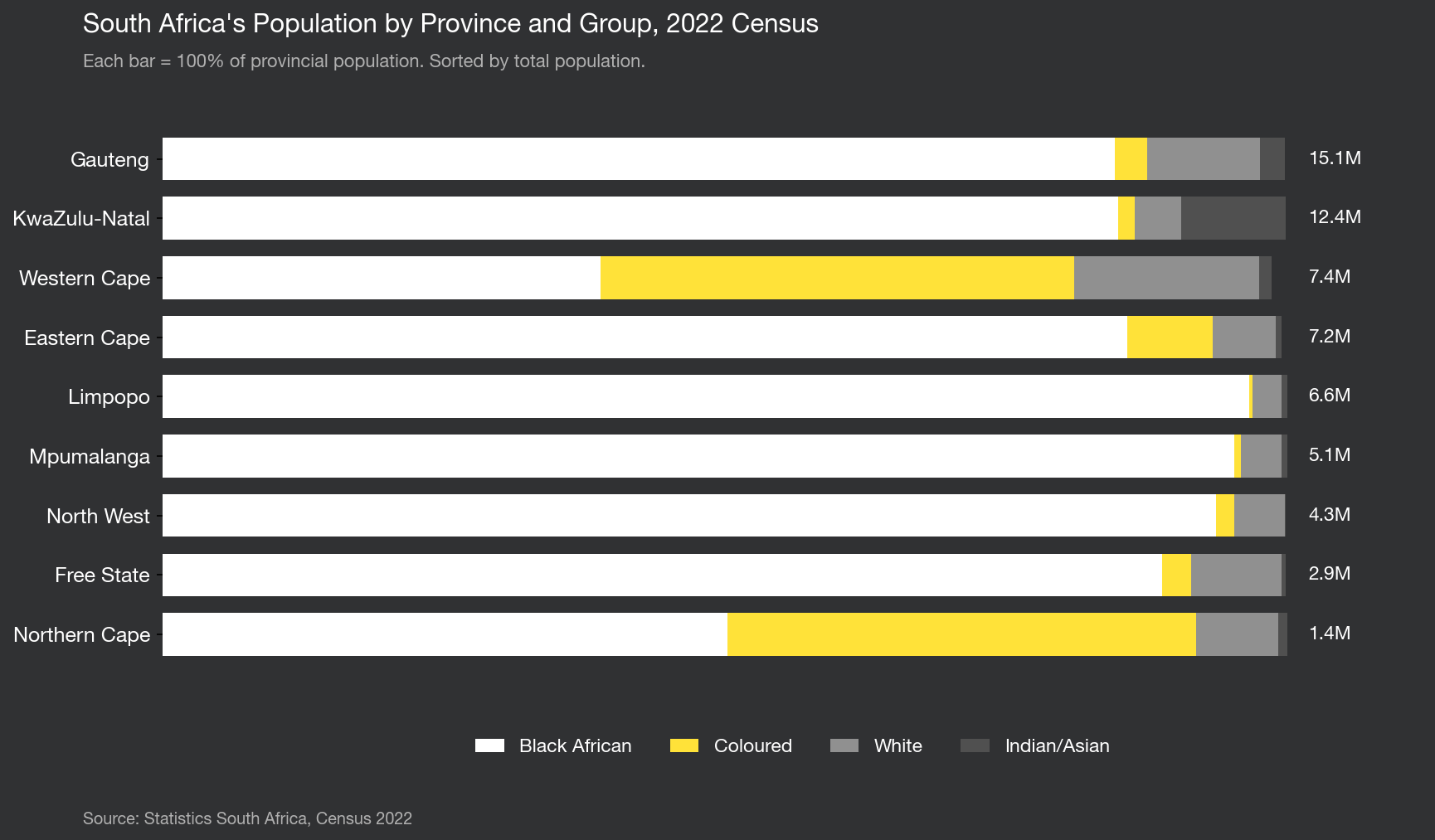
Today South Africa has four major population groups that are themselves not monolithic. Black South Africans, 81% of the population, are Zulu, Xhosa, Sotho, Tswana, and others, with distinct languages, histories, and in some cases active political rivalries.
The ANC-Inkatha township warfare of the late 1980s and early 1990s was substantially Xhosa against Zulu dressed up as ideology, an estimated 14,000 to 20,000 people killed in internecine conflict, according to the Institute of Race Relations’ research in People’s War, that the liberation narrative required everyone to not look at too closely.
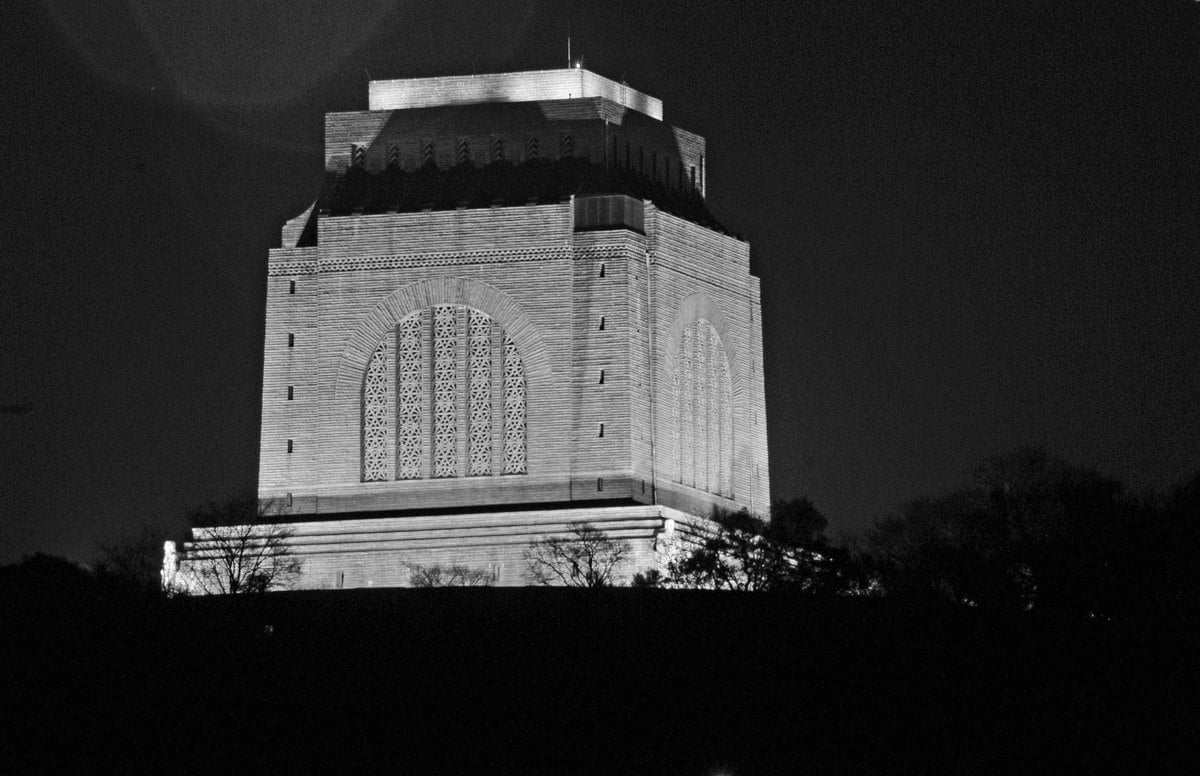
Afrikaners carry their own wounds, accumulated across two centuries of being on the losing end of the British Empire.
After the Napoleonic Wars, Britain took the Cape from the Dutch. Afrikaans was replaced with English. Dutch law was replaced with English law. Then Britain abolished slavery and enforced the abolition on the colony, and the slave-owning Boers lost their property along with their language and their courts.
A chunk of them said the hell with this and trekked into the wilderness to build the country again. The Voortrekkers, the Battle of Blood River, the Day of the Vow, the founding of independent Afrikaner republics in the interior.
Then gold was discovered on Afrikaner territory. Britain imported 60,000 poor whites to mine it, manufactured a “pressed minority” of British subjects living in the republic, and used that as the pretext for war.
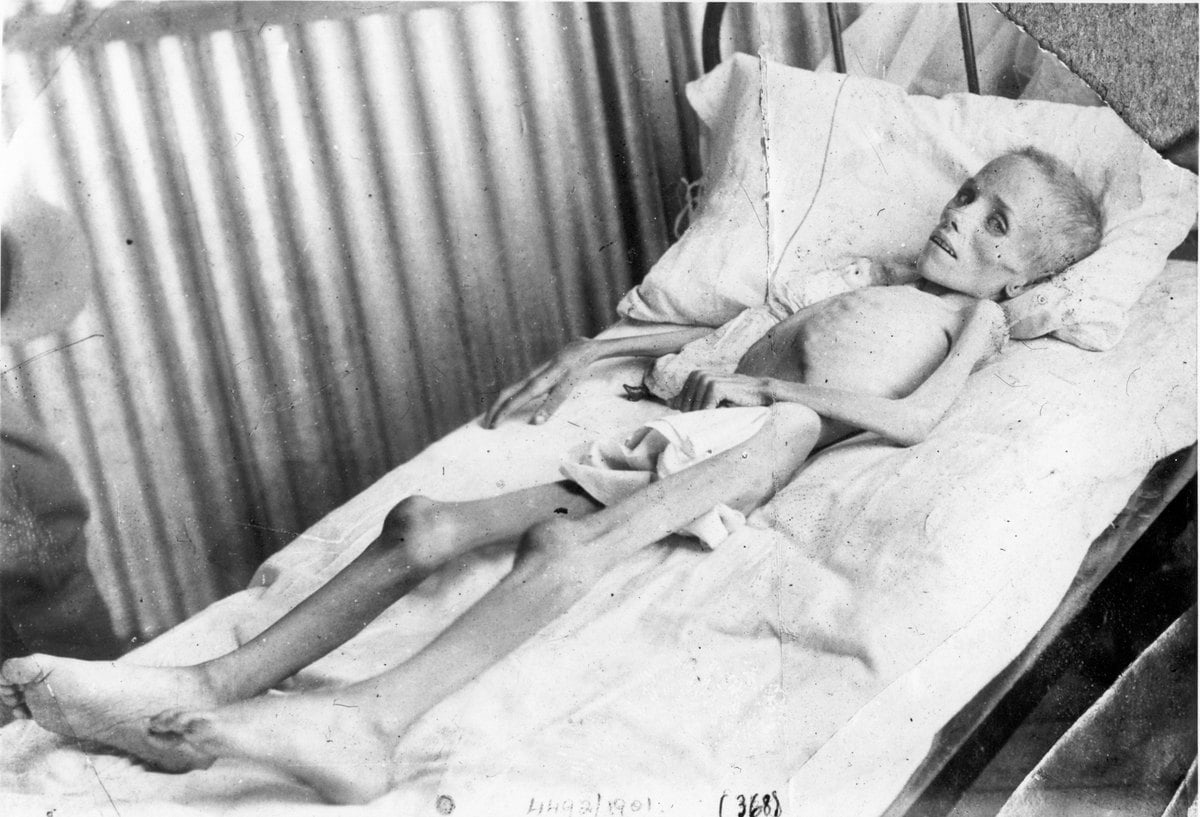
The Second Boer War followed. 30,000 Afrikaner commandos against roughly 600,000 British, imperial, and African troops. Pretoria fell. The war dragged into a guerrilla phase. Britain responded with scorched earth: every homestead burned, every well poisoned, women and children herded into concentration camps where 26,000 of them died.
Then the Afrikaners were asked to die for the British in World War I. They refused, rose up, were crushed.
They were asked again in World War II. By that point 350,000 of them had joined a Nazi-affiliated organization rather than die for the empire that had put their grandmothers in camps.
The 1948 election that brought the National Party to power, and apartheid with it, was, from inside the Afrikaner story, the first time in two centuries they had their own country back. That is not a justification for what followed. It is the necessary context for understanding why a small population built such a tight political fortress in 1948 and held it for fifty years.
The original justification for apartheid included a line of reasoning that gets dropped from most modern tellings. The Afrikaners argued that the various African ethnic groups, Xhosa, Zulu, Venda, Sotho and the rest, had also lost their countries to colonial conquest and deserved them back. Hence the Bantustans. Bantu lands. Modeled on the same logic as Tajikistan or Uzbekistan: one territory per ethnic nation. Some, like Transkei, technically achieved formal independence. None achieved international recognition. Most had unworkable borders, no economic base, and rampant corruption from day one.
The justification was internally consistent. The implementation was a disaster. But the argument that the architects of apartheid genuinely believed it, that the Voortrekker experience of “lose your country, get it back” was the template they imagined applying to every other ethnic group on the subcontinent, is worth knowing if you want to understand the period rather than caricature it.
That history isn’t a museum piece. The Economic Freedom Fighters, Julius Malema’s party, polls roughly 10%. Their political program centers on land expropriation without compensation. Their signature performance is the public singing of Dubul’ ibhunu, the “Kill the Boer, Kill the Farmer” song from the anti-apartheid struggle. South African courts have repeatedly ruled it does not constitute hate speech, including a 2022 Equality Court decision that the EFF could continue singing it. Mandela sang it in his ANC Youth League days too. In May 2025, Donald Trump played a clip of Malema chanting it during a press conference in the Oval Office.
Indians and Coloureds fit neatly into neither the ANC narrative nor the Afrikaner one. The Coloured community in the Western Cape has a saying: under apartheid we weren’t white enough, now we’re not black enough. (That single sentence captures thirty years of policy failure.)
Eleven official languages. No shared mythology. No common story of origin. No settled account of who was here first, who owes what to whom, what the future is supposed to look like.
Malan wrote it in the 1980s:
“I was no longer sure that such commonality existed in South Africa. I prayed it did, though, and that we would all find it in time. Without it, I feared we were doomed.”
He was writing about a country that hadn’t yet had its miracle. The miracle came in 1994. The commonality never followed.
Renaming Things Is Not Governing
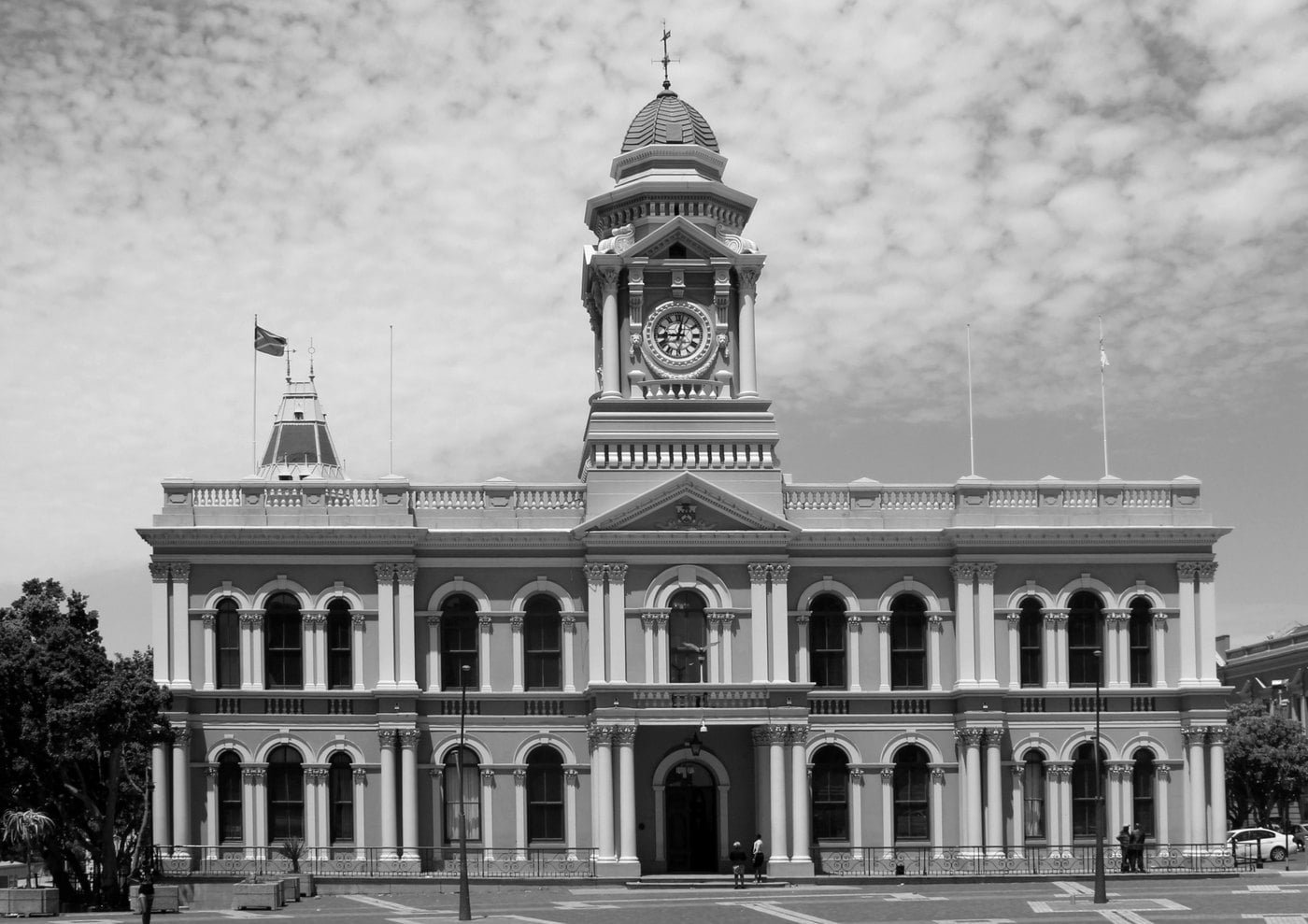
In 2021, Port Elizabeth, a working port city founded in 1820, was renamed Gqeberha. The name is Xhosa, and almost nobody outside the Eastern Cape can pronounce it. That’s likely the point.
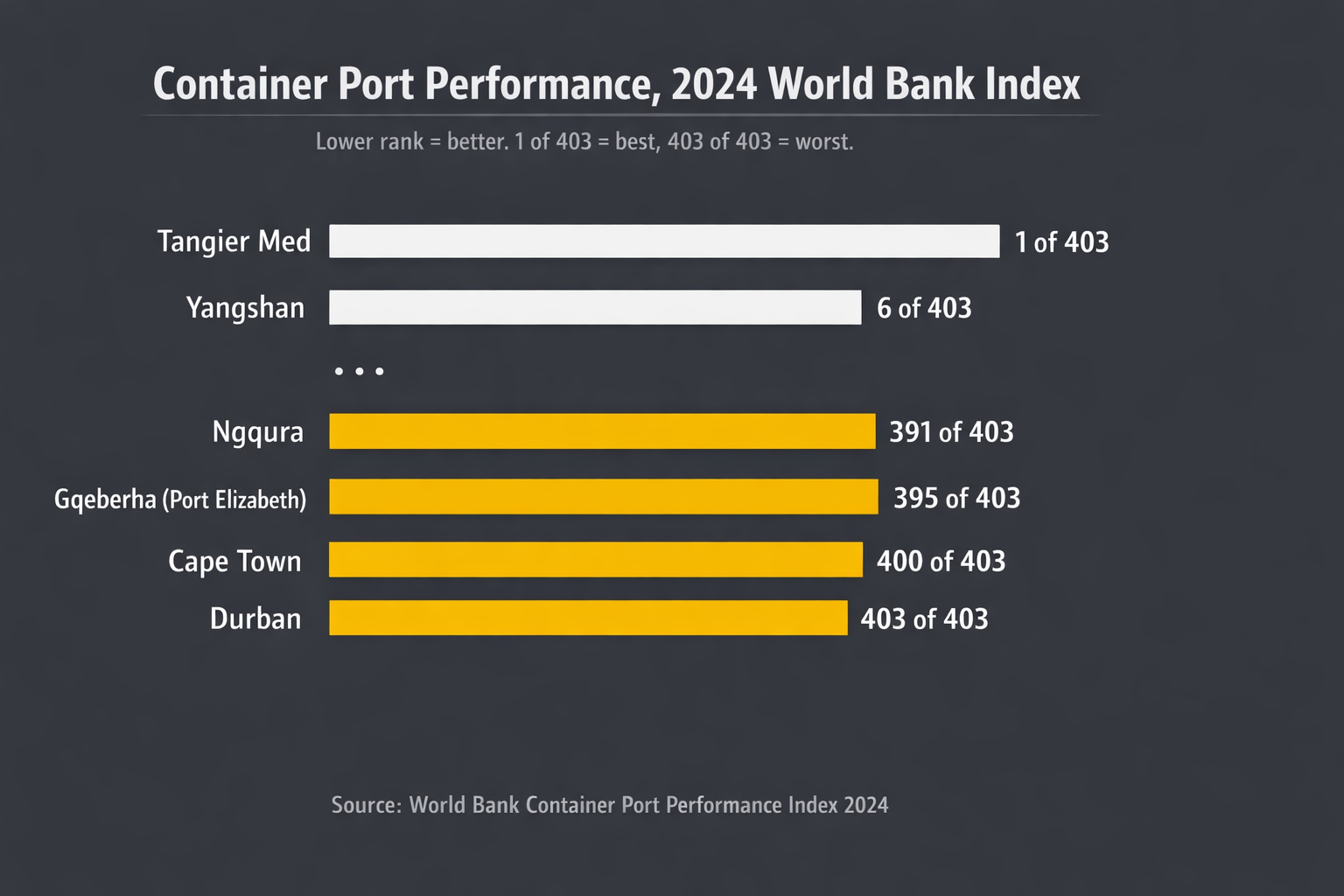
The port itself continues not to work, and neither do the others. In the 2024 World Bank Container Port Performance Index, Durban ranked dead last out of 403 ports worldwide. Cape Town came in 400th. Gqeberha 395th. Four of South Africa’s busiest ports rank among the worst on earth.
Container ships still wait days to berth. Agricultural exporters still lose product. The cranes still don’t move reliably.
There are active campaigns to strip “Natal” from KwaZulu-Natal, a name Vasco da Gama gave the coastline on Christmas Day 1497 because he rounded it on the feast of the Nativity. The word is Portuguese for Christmas. It predates Afrikaner settlement of the region by generations.
Swellendam, one of the oldest towns in South Africa, founded 1745, is on the list.
Streets, airports, and public buildings are renamed continuously across the country.
None of this fixes a port. None of it stops load shedding. None of it attracts mining investment, builds solar capacity, creates a job, or puts a rand in anyone’s pocket.
What it does is nurse racial grievances, generate press conferences, produce ceremonies, signal transformation, and reliably enrage Afrikaners whose 300-year presence in the country is being symbolically erased while their economic exclusion proceeds through BEE simultaneously.
This is what happens when a government has looted its institutions, cannot keep the lights on, cannot move freight through its ports, and has run out of substance to offer. You offer symbols instead. You change the signs and call it progress. It is governance as semiotics. (Meanwhile, the port still doesn’t work.)
The Problem Was Never the Diversity
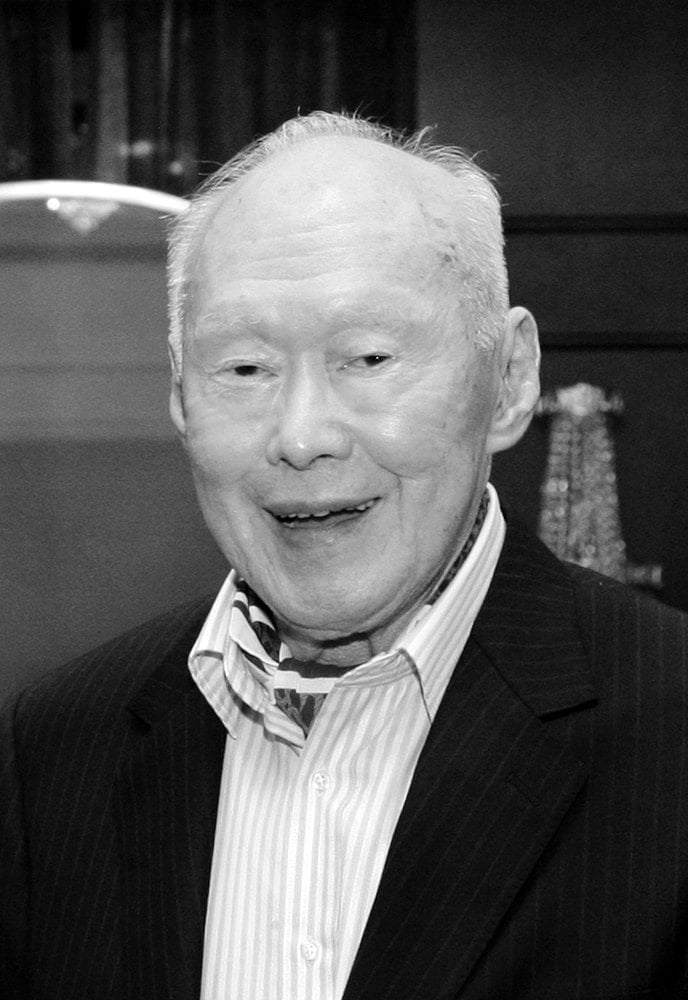
Lee Kuan Yew stood on the steps of the Istana in Singapore in 1965, having just been expelled from Malaysia, and faced a situation that looked hopeless.
His city-state had four distinct ethnic groups, Chinese, Malay, Indian, European, with no shared history, no shared language, no shared religion, and no particular reason to trust one another. No natural resources. No water. No hinterland. No army.
He had wept on television when the separation from Malaysia was announced, genuinely believing Singapore could not survive.
He built institutions that served everyone. He used English as the neutral language of commerce and government, not to impose Western culture but to sidestep the ethnic favoritism that any choice of a local language would have encoded. He made corruption genuinely dangerous rather than routinely tolerated.
He protected property rights consistently and kept the rules consistent. Investors who committed capital in 1970 operated under rules they could still recognize in 1990. He governed for the whole country, not for the Chinese majority that formed his political base.
Within one generation, Singapore was one of the wealthiest places on earth.
The ANC had more goodwill in 1994 than LKY ever had in 1965. More natural resources than Singapore could dream of. A stronger starting position by any economic measure.
A global moment of democratic euphoria at their backs, the Fukuyama moment, the sense that history had resolved itself and liberal democracy had won, that the rainbow nation was the world’s proof of the thesis.
They had Mandela, whose moral authority was genuine and whose stature gave them a grace period of international patience and investment interest that no other new government in history had been given.
They chose to govern for one constituency. They chose patronage over institutions. They chose BEE over meritocracy. They chose renaming over rebuilding.
They chose to loot Eskom rather than run it, to keep revising the mining charter rather than let capital commit, to build a welfare state that locked in their voter base rather than an economy that created alternatives to dependence.
When the CEO of the national electricity utility found cyanide in his coffee, the investigation went nowhere. When Ramaphosa’s emails about Marikana emerged, he became president anyway.
LKY governed four ethnic groups with no shared history, no shared language, and no natural resources, and built one of the most prosperous societies on earth.
The problem in South Africa was never the diversity. It was never the legacy, as real as that legacy was. It was the choice, made repeatedly and deliberately over thirty years, not to govern for everyone.
Thirty years later: Stage 6 load shedding. 80% of the world’s platinum sitting unextracted. Ports that don’t function. A GDP per capita that has fallen to a third of Poland’s. Zimbabwean immigrants stamping their passports on buses to stay another month in a country that at least still has lights on some of the time.
The rainbow nation was a real vision. It had real architects. Mandela, of course, and de Klerk, who gave up power voluntarily and whose role history has largely erased because it complicated the myth the world needed.
The failure to build it was a choice.
Blaming apartheid for that choice is the last refuge of a party that ran out of excuses a long time ago and is counting on the rest of the world to never look closely enough to notice.
The numbers are there. The comparisons are there. The cyanide in the coffee is there. All you have to do is look.
Why I Keep Coming Back

I should explain why this isn’t just an essay to me.
In 2018, a Brahman priest in Bali did a spiritual reading for me. Among other things, he told me I’d had five lifetimes. Two of them, he said, were as a social worker in South Africa. I didn’t think much of it at the time. I’d never been to South Africa.
Three years later, Anne and I came down for the first time, a few days before New Year’s 2021. I fell in love with the place immediately. The energy, the landscape, the people, the rawness of it. We’ve been back repeatedly. We’re planning to relocate to the Western Cape.
I don’t know what to make of the past-lives thing. I’m a facts-and-data person. But I know this: when I walk around Cape Town, when I drive through the Winelands, when I sit in a Cape Town coffee shop watching the surfers come in, something feels right in a way I can’t fully explain. Not comfortable. Not easy. Just right.
That’s why this essay is not armchair commentary. I’m betting on this place. My family is betting on this place. I need to understand it honestly, which means looking at the parts the polite version leaves out.
Dan Carlin, whose Hardcore History has shaped how I think about civilizations more than any other single source, makes a point I keep returning to: empires and nations don’t usually fall because of external enemies. They fall because the people running them stop serving the people living in them. The rot is always internal. The barbarians at the gate are usually a symptom, not a cause.
South Africa’s barbarians are not at the gate. They are in the Union Buildings. They have been for thirty years. And the world’s refusal to say so, out of deference to a myth that expired a long time ago, has cost the people of this country, all of them, black and white and Coloured and Indian, more than apartheid’s architects could have dreamed.
The rainbow was real. The clouds are self-inflicted. And the first step toward clearing them is admitting who put them there.
BDC